Living in Japan can be exciting, but cooking familiar South Asian food may become difficult when the right spices are not available nearby. A local supermarket may carry salt, pepper, Japanese curry powder, and a few basic seasonings, yet finding proper cumin, coriander, garam masala, biryani masala, whole cardamom, cloves, or red chilli powder can take more effort.
For Pakistani, Indian, Bangladeshi, Nepali, Sri Lankan, and other South Asian households, spices are not optional extras. They create the aroma, color, warmth, and depth that make home cooked food feel familiar.
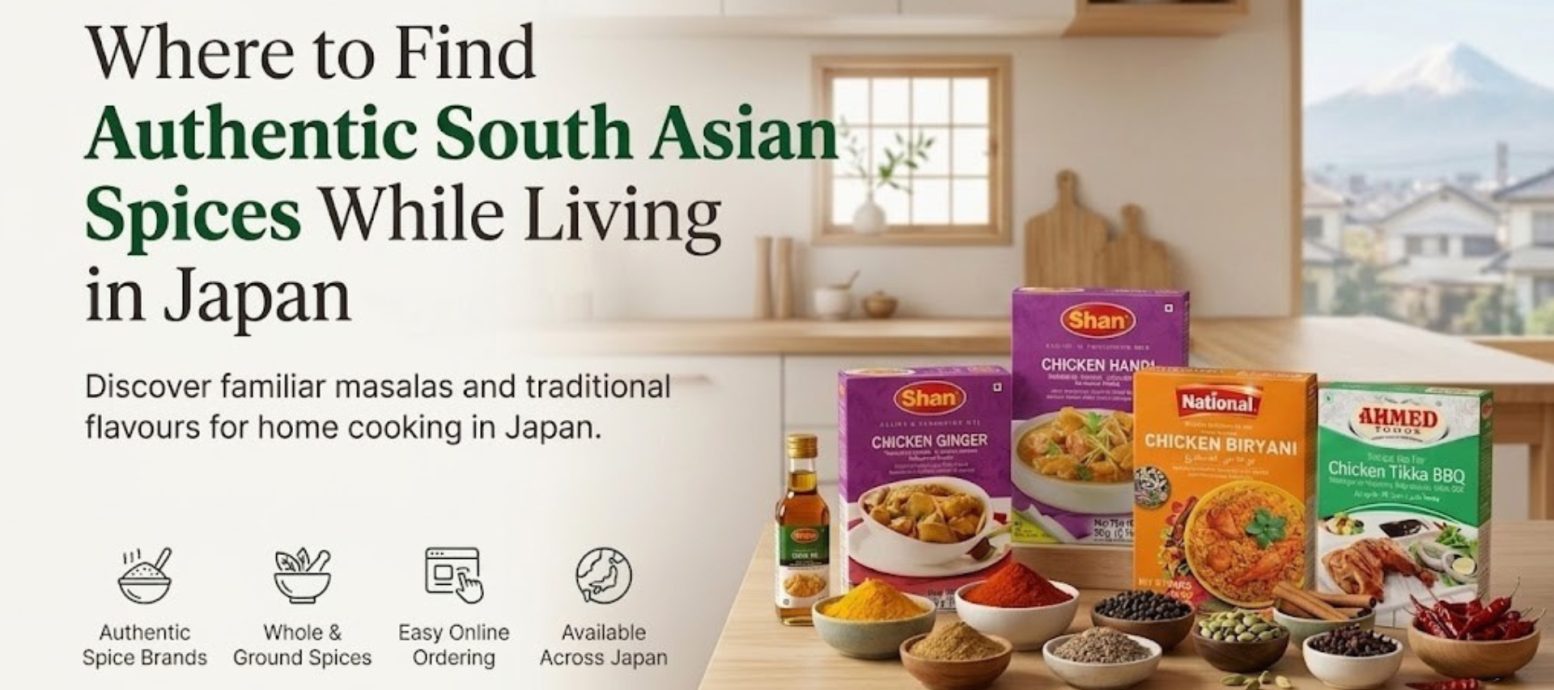
Finding authentic South Asian spices in Japan becomes easier when you know which stores to check, how to compare products, and what to buy first. MTHalal helps customers browse whole spices, ground spices, recipe mixes, halal meat, rice, daal, frozen foods, and other grocery essentials through one online platform.
Why South Asian Spices Can Be Difficult to Find in Japan
Japanese supermarkets are designed mainly around Japanese cooking habits. They usually carry products such as soy sauce, miso, mirin, dashi, sesame oil, Japanese curry roux, and common seasonings.
These products are useful, but they cannot replace the spice variety needed for many South Asian recipes.
A simple chicken curry may require cumin, coriander, turmeric, red chilli, ginger, garlic, and garam masala. Biryani may need cardamom, cloves, cinnamon, bay leaves, cumin, black pepper, and a balanced recipe blend.
Common Problems Shoppers Face
People looking for South Asian spices in Japan may experience:
- Limited spice choices in local supermarkets
- Small and expensive packs
- Japanese only labels
- Difficulty identifying similar looking spices
- Weak general curry powders
- No specialist grocery store nearby
- Limited trusted South Asian brands
- Difficulty finding whole and ground spices together
- Repeated trips to different shops
- Uncertainty about halal suitability in mixed products
Knowing where to shop can reduce these problems.
1. Check International Sections in Large Supermarkets
Some larger supermarkets in Japan have international food sections. These areas may include curry powder, cumin, turmeric, chilli powder, coriander, or imported recipe mixes.
This can be helpful when you need one or two basic items quickly.
What You May Find
Depending on the store, the international section may have:
- Curry powder
- Turmeric
- Cumin
- Chilli powder
- Garam masala
- Imported sauces
- Coconut milk
- Basmati rice
- Lentils
- Ready curry products
Limitations
The selection may be small, and the products may not match the flavor expected in Pakistani, Indian, Bangladeshi, or other South Asian cooking.
Always check:
- Product name
- Country of origin
- Ingredients
- Pack size
- Expiry date
- Storage instructions
- Halal information where relevant
Large supermarkets can be useful for emergencies, but they may not provide a complete spice collection.
2. Visit South Asian Grocery Stores
Specialist South Asian grocery stores are one of the most useful places for authentic spices. These shops usually understand the cooking needs of customers from Pakistan, India, Bangladesh, Nepal, and Sri Lanka.
They may carry both individual spices and ready recipe blends.
Products Often Available
A specialist store may offer:
- Red chilli powder
- Turmeric
- Coriander powder
- Cumin seeds
- Cumin powder
- Garam masala
- Black pepper
- Cardamom
- Cloves
- Cinnamon
- Bay leaves
- Mustard seeds
- Fenugreek
- Fennel seeds
- Biryani masala
- Chicken masala
- Meat masala
- Chaat masala
These shops may also carry rice, daal, flour, frozen breads, pickles, sauces, and halal meat.
Before Travelling
Check the store’s:
- Opening hours
- Location
- Current stock
- Payment options
- Distance from the station
- Delivery service if available
This is important because small specialist shops may have changing schedules or limited stock.
3. Explore Halal Grocery Stores
Halal grocery stores can be especially useful for Muslim customers who want to buy spices together with halal meat and other household products.
A halal focused shop understands that customers may need more than a spice packet. They may also need chicken, beef, mutton, Basmati rice, daal, frozen paratha, cooking oil, snacks, and drinks.
Why Halal Grocery Stores Help
They can help customers:
- Find spices in a halal focused environment
- Buy meat and spices together
- Reduce label confusion
- Prepare complete meals
- Avoid visiting several stores
- Plan Ramadan and Eid groceries
- Access products used in Muslim households
Customers should still read individual product details because not every spice blend has the same ingredients.
4. Use Online South Asian Grocery Stores
Online shopping is one of the easiest ways to find authentic South Asian spices in Japan, especially for people living outside large cities.
Customers can browse products from home, compare pack sizes, read descriptions, and order spices with other grocery items.
Online Shopping Is Helpful For
It supports:
- Busy families
- International students
- Working professionals
- New residents
- People outside major cities
- Customers without a car
- People who need larger grocery orders
- Households preparing for Ramadan or Eid
Online access reduces the need to travel long distances to specialist shops.
5. Browse MTHalal’s Masala and Spices Range
MTHalal provides an online Masala & Spices category for customers in Japan. Depending on current stock, shoppers may find whole spices, ground spices, recipe mixes, and familiar South Asian brands.
Customers can also add rice, daal, halal meat, frozen foods, pickles, sauces, and pantry essentials to the same order.
Spice Types You May Find
The range may include:
- Whole spices
- Ground spices
- Biryani masala
- Chicken masala
- Meat masala
- Kebab masala
- Sambar masala
- Chaat masala
- Curry blends
- Pulao mixes
- Specialty recipe spices
Current availability, pack sizes, prices, and brands should always be checked on the live product pages.
6. Ask Local Muslim Communities
Local Muslim communities can be a helpful source of practical information. Mosque members, students, families, and community groups often know which stores carry suitable spices.
They may also know about newly opened shops, delivery services, weekend markets, or stores that do not appear clearly in online searches.
Useful Places to Ask
You can ask through:
- Local mosques
- University Muslim associations
- Community social groups
- Friends and colleagues
- International resident groups
- Halal food communities
- Family networks
Recommendations are helpful, but you should still confirm current store details and product availability yourself.
7. Check Asian Food Stores Carefully
Some Asian grocery stores carry spices used across Indian, Pakistani, Bangladeshi, Thai, Chinese, Middle Eastern, and Southeast Asian cooking.
These stores may have useful whole spices and ground seasonings.
You May Find
Possible products include:
- Cumin
- Coriander
- Turmeric
- Chilli powder
- Cardamom
- Cloves
- Cinnamon
- Mustard seeds
- Fenugreek
- Star anise
- Black pepper
However, an Asian grocery store may not carry recipe specific South Asian blends. Read labels carefully and do not assume that every curry powder will produce an authentic South Asian taste.
What Makes a Spice Authentic?
The word authentic can mean different things. For home cooks, an authentic spice should support the aroma, taste, and cooking style expected in the recipe.
It does not necessarily need to come from one specific country, but it should be the correct spice, reasonably fresh, and suitable for the dish.
Check These Qualities
Look for:
- Correct spice name
- Strong natural aroma
- Clear color
- Suitable pack size
- Reliable brand or seller
- Recent manufacturing information where shown
- Clear expiry date
- Properly sealed packaging
- Storage instructions
- Ingredients for blended masala
For recipe blends, check whether the product is intended for the dish you want to cook.
Whole Spices vs Ground Spices
A complete South Asian kitchen often uses both whole and ground spices.
Whole Spices
Whole spices usually keep their aroma longer when stored correctly.
Examples include:
- Cumin seeds
- Cardamom
- Cloves
- Cinnamon
- Bay leaves
- Black peppercorns
- Mustard seeds
- Fennel seeds
They are useful for tempering, biryani, pulao, tea, slow curries, and soups.
Ground Spices
Ground spices are convenient for everyday cooking.
Examples include:
- Red chilli powder
- Turmeric
- Coriander powder
- Cumin powder
- Garam masala
- Black pepper powder
They mix quickly into curry, daal, marinades, rice dishes, and sauces.
Which Should You Buy?
Buy whole spices for aroma and longer storage. Buy ground spices for quick weekday cooking.
A balanced kitchen usually needs both.
Ready Recipe Mixes vs Individual Spices
Ready recipe mixes can make cooking easier, especially for beginners and busy households.
Recipe Mixes Are Useful For
They can help prepare:
- Biryani
- Pulao
- Chicken curry
- Karahi
- Kebab
- Nihari
- Haleem
- Sambar
- Chaat
- Fried dishes
Benefits
Ready mixes can provide:
- Faster cooking
- Balanced seasoning
- Simple instructions
- Fewer individual spice purchases
- Consistent results
What to Check
Read:
- Ingredient list
- Salt level
- Chilli level
- Serving size
- Cooking instructions
- Allergens
- Halal information where required
- Expiry date
Some blends contain more salt or chilli than a family prefers. Adjust the amount instead of using the full packet automatically.
Essential South Asian Spices for Beginners
You do not need to buy every spice at once. Begin with a small collection that supports the meals you cook most often.
Basic Ground Spices
Start with:
- Red chilli powder
- Turmeric
- Coriander powder
- Cumin powder
- Garam masala
- Black pepper
Basic Whole Spices
Add:
- Cumin seeds
- Cardamom
- Cloves
- Cinnamon
- Bay leaves
Useful Recipe Mixes
Depending on your meals, choose:
- Biryani masala
- Chicken masala
- Meat masala
- Chaat masala
This starter collection can support curry, daal, rice, grilled chicken, kebabs, and snacks.
Spices for Pakistani Cooking
Pakistani home cooking often uses warm, aromatic, and balanced combinations of whole and ground spices.
Useful Pakistani Kitchen Spices
Keep:
- Red chilli powder
- Turmeric
- Coriander
- Cumin
- Garam masala
- Black pepper
- Cardamom
- Cloves
- Cinnamon
- Bay leaves
- Biryani masala
- Karahi masala
- Kebab masala
These ingredients can support curry, biryani, pulao, daal, karahi, kebabs, and nihari.
Spices for Indian Cooking
Indian cuisine includes many regional styles, so the required spice collection may vary.
Common Options
A general collection may include:
- Turmeric
- Cumin
- Coriander
- Mustard seeds
- Fenugreek
- Garam masala
- Curry leaves where available
- Sambar masala
- Chaat masala
- Asafoetida where used
- Cardamom
- Cloves
Buy according to the regional dishes you actually cook.
Spices for Bangladeshi Cooking
Bangladeshi cooking often uses spices in fish, meat, vegetable, lentil, and rice dishes.
Helpful Spices
These may include:
- Turmeric
- Red chilli
- Cumin
- Coriander
- Mustard seeds
- Garam masala
- Bay leaves
- Cardamom
- Cloves
- Cinnamon
- Panch phoron where used
A specialist South Asian store may offer products that are harder to find in general supermarkets.
How to Check a Spice Before Buying Online
Online shoppers cannot smell or examine the spice before purchase, so product details become important.
Review the Product Page
Check:
- Product title
- Brand
- Weight
- Whole or ground form
- Ingredient list
- Manufacturing date where shown
- Expiry date
- Intended recipe
- Storage advice
- Current stock
- Customer reviews where available
Do not judge value only by the product photo.
Compare Pack Sizes
Large spice packs may look economical, but spices can lose aroma after opening.
Choose Small Packs When
Small packs are better when:
- You cook occasionally
- You are trying a new spice
- You live alone
- Kitchen storage is limited
- The spice is used in small amounts
Choose Larger Packs When
Larger packs may be useful when:
- You cook daily
- The family is large
- The spice is used regularly
- You share groceries
- You can store it properly
The right pack size prevents waste.
Check Ingredients in Spice Blends
Single spices such as whole cumin or cloves are simple to understand. Mixed masalas may contain several ingredients, salt, acids, flavoring, or other additions.
Muslim shoppers and people with allergies should read the ingredient list carefully.
Review for
Check:
- Halal suitability
- Allergens
- Added salt
- Chilli strength
- Artificial color
- Preservatives
- Cooking instructions
- Serving quantity
This helps families choose blends that match their needs.
Store Spices Properly After Delivery
Good spices can lose aroma when exposed to heat, sunlight, air, or moisture.
Storage Tips
Keep spices:
- In airtight containers
- In a cool, dry cupboard
- Away from the stove
- Away from direct sunlight
- Away from wet spoons
- Clearly labelled
- Organized by whole and ground type
Do not store open packets without sealing them properly.
Use Older Spices First
A simple rotation system helps reduce waste.
When new spices arrive:
- Check existing packets
- Place older products in front
- Put newer products behind
- Label opened containers
- Use older spices first
This keeps the kitchen organized and reduces duplicate purchases.
Avoid Buying Random Masalas
A colorful masala packet may look attractive, but it is not useful if you never cook that dish.
Buy according to your regular meal plan.
Start With Recipes You Cook
For example:
- Chicken curry
- Biryani
- Daal
- Pulao
- Kebab
- Sambar
- Chaat
- Karahi
A focused collection saves money and storage space.
Buy Related Groceries Together
Spices are usually part of a complete meal. Online shopping becomes more practical when you add the main ingredients required for the recipe.
With Biryani Masala
Add:
- Basmati rice
- Halal chicken or meat
- Cooking oil
- Yogurt where available
- Fried onions
- Whole spices
With Curry Spices
Add:
- Halal chicken
- Daal
- Rice
- Cooking oil
- Ginger garlic paste
- Tomato paste where used
With Chaat Masala
Add:
- Chickpeas
- Snacks
- Tamarind sauce
- Potatoes
- Ready chaat ingredients
MTHalal helps customers browse spices and related grocery categories through one platform.
South Asian Spices for Students
Students need a small and affordable spice collection.
A Student Starter Set
A practical set may include:
- Salt
- Red chilli powder
- Turmeric
- Coriander powder
- Cumin
- Garam masala
- One chicken masala
- One biryani masala
These spices can support several simple meals without taking too much cupboard space.
South Asian Spices for Families
Families may use a wider range of products because they cook more meals and larger quantities.
A Family Spice Collection
Families may keep:
- Basic ground spices
- Whole spices
- Biryani masala
- Chicken masala
- Meat masala
- Chaat masala
- Kebab masala
- Sambar or regional blends
- Tea spices
- Pickling spices where used
The collection should match the household’s real cooking habits.
Planning Spices for Ramadan and Eid
Ramadan and Eid often involve more cooking, guests, and special meals.
Check Before the Season
Review your stock of:
- Biryani masala
- Whole spices
- Chaat masala
- Kebab masala
- Red chilli powder
- Turmeric
- Cumin
- Coriander
- Garam masala
- Cardamom
- Cloves
- Cinnamon
Ordering early helps avoid last minute shortages.
How MTHalal Helps Customers Find South Asian Spices
MTHalal gives customers in Japan access to a dedicated Masala & Spices category. The available range may include whole spices, ground products, and recipe mixes from familiar South Asian brands.
Customers can also shop for halal meat, rice, daal, frozen foods, sauces, pickles, breads, snacks, and pantry essentials.
MTHalal Supports Spice Shopping With
- Whole spice options
- Ground spices
- Recipe mixes
- Familiar South Asian brands
- Online product descriptions
- Different pack sizes
- Related grocery categories
- Delivery across Japan
- Family grocery planning
- Student kitchen essentials
Current prices, stock, brands, and shipping terms should be checked on the live website.
Simple Checklist Before Buying Spices
Before checkout, ask:
- Is this the correct spice?
- Is it whole or ground?
- Does the pack size match my usage?
- Did I check the ingredients?
- Is it suitable for my recipe?
- Did I check the brand?
- Is the package sealed?
- Can I store it properly?
- Do I already have the same spice?
- Did I add the rice, daal, or meat needed?
- Does the order fit my budget?
- Is delivery available to my address?
This checklist helps avoid unnecessary purchases.
Internal Link Suggestion
[Internal Link Suggestion: Browse Masala & Spices on MTHalal]
FAQs
1. Where can I buy authentic South Asian spices in Japan?
You can check specialist South Asian grocery stores, halal supermarkets, international food shops, and online halal grocery platforms such as MTHalal.
2. What South Asian spices should a beginner buy first?
Start with red chilli powder, turmeric, coriander powder, cumin, garam masala, black pepper, cardamom, cloves, cinnamon, and one or two recipe mixes.
3. Are Japanese curry powders the same as South Asian masala?
No. Japanese curry products are made for a different cooking style and flavor. South Asian recipes often require individual spices, whole spices, or specific masala blends.
4. Is it better to buy whole or ground spices?
Whole spices usually keep their aroma longer, while ground spices are quicker for everyday cooking. Most South Asian kitchens benefit from having both.
5. Can MTHalal deliver South Asian spices across Japan?
MTHalal offers online grocery delivery in Japan and lists a dedicated Masala & Spices range. Customers should confirm current products, delivery coverage, charges, and timing at checkout.
Final Thought
Finding authentic South Asian spices in Japan becomes easier when you combine local shopping knowledge with online access. Large supermarkets may help with basic spices, while specialist South Asian and halal grocery stores usually provide more traditional ingredients and recipe blends.
MTHalal helps customers browse whole spices, ground spices, familiar masalas, rice, daal, halal meat, and other grocery essentials through one online platform. By checking ingredients, pack size, freshness, storage needs, and the recipes you cook most often, you can build a practical spice collection that brings the taste and aroma of home into your kitchen in Japan.