When buying halal meat in Japan, one practical decision is whether to choose fresh or frozen products. Both can be useful for everyday cooking, but differences in storage, preparation time and handling can affect which option suits your household.
The fresh vs frozen halal meat comparison is not simply about which product tastes better. Properly frozen meat can retain good quality, while fresh meat offers convenience when you plan to cook soon. The condition of the product, the cut and the way it has been handled are often more important than whether it has been frozen.
This guide explains the key differences in quality, texture, convenience and safe storage so Muslim shoppers can make informed decisions when purchasing chicken, beef, lamb or mutton.
Fresh vs Frozen Halal Meat: What Is the Difference?
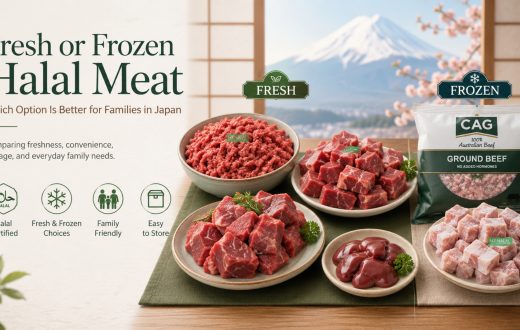
Fresh meat generally refers to meat that is sold chilled without having been frozen. Frozen meat has been stored at temperatures low enough to freeze its water content and substantially slow microbial activity.
Both types must meet the same applicable halal requirements for their species, slaughter and processing.
The difference is primarily in how the meat is preserved and handled.
| Feature | Fresh Halal Meat | Frozen Halal Meat |
|---|---|---|
| Storage | Refrigeration | Freezer |
| Cooking preparation | Usually ready to prepare without thawing | May require thawing |
| Quality | Depends on freshness and handling | Depends on freezing, packaging and handling |
| Texture | No freezing-related moisture loss | Some moisture loss may occur after thawing |
| Convenience | Useful for near-term meals | Useful for meals planned further ahead |
| Storage duration | Generally shorter | Longer when properly frozen |
| Space required | Refrigerator | Freezer |
| Halal status | Requires relevant verification | Requires the same verification |
Neither option is automatically superior. The most suitable choice depends on the meal, storage facilities and expected cooking schedule.
1. Does Fresh Halal Meat Have Better Quality?
Fresh meat is often preferred by customers who want to prepare food shortly after purchasing it.
Because it has not been frozen, fresh meat does not experience the ice-crystal formation associated with freezing.
However, fresh does not automatically mean better quality.
Meat quality depends on several factors, including:
- The original condition of the meat
- Time and temperature during handling
- Packaging and transportation
- The particular cut
- Storage conditions before cooking
Fresh meat that has not been stored correctly may be less suitable than frozen meat that has been carefully handled.
When Fresh Meat May Be More Convenient
Fresh meat can be practical for a planned meal because it generally does not require thawing.
For example, a household preparing chicken curry on the day of purchase may prefer properly chilled chicken pieces.
Similarly, fresh beef or lamb may be convenient when the cook wants to begin preparation without allowing time for defrosting.
The main consideration is whether the meat can be stored safely and used within its appropriate refrigerated storage period.
2. Can Frozen Halal Meat Maintain Good Quality?
Yes. Proper freezing can help preserve meat quality for longer periods by slowing the processes that cause spoilage.
Frozen meat can remain suitable for cooking when it has been handled, packaged and stored correctly.
However, freezing does not improve poor-quality meat or eliminate every food-safety hazard.
How Freezing Affects Texture
When meat freezes, water within its tissues forms ice crystals.
The size and distribution of these crystals can influence how much moisture is released during thawing.
Rapid freezing generally produces smaller ice crystals than slow freezing, which can help preserve texture.
After thawing, some meat may release liquid. This is sometimes called drip loss.
The amount varies according to the meat, freezing method, packaging and storage conditions.
Does Frozen Meat Lose Its Flavor?
Freezing does not necessarily cause a significant loss of flavor.
However, long storage, exposure to air or temperature fluctuations can affect eating quality.
Poor packaging can also contribute to freezer burn, which causes dehydration and undesirable texture changes.
For recipes involving sauces, curries and slow cooking, correctly handled frozen meat can be a practical ingredient.
The most important point is to evaluate the actual product and its storage history rather than assuming all frozen meat has the same quality.
3. Which Option Is More Convenient for Everyday Cooking?
Convenience is one of the clearest differences between fresh and frozen meat.
Fresh meat may reduce preparation time when cooking immediately. Frozen meat can provide flexibility because it can remain stored until needed.
For Frequent Home Cooking
Households preparing meat dishes regularly may appreciate access to fresh or chilled cuts.
For example, fresh chicken pieces can be useful when preparing a meal without planning a thawing period.
However, regular purchasing also means considering how quickly refrigerated meat must be used.
For Occasional Cooking
Frozen meat can be practical for households that prepare meat-based meals only a few times each week.
It allows shoppers to keep an ingredient available without needing to purchase it immediately before cooking.
This is particularly relevant when a family’s preferred halal meat products are not available at every nearby supermarket.
For Busy Households in Japan
Students, working professionals and families may benefit from choosing meat based on how much advance preparation their routine allows.
Fresh meat can suit immediate plans, while frozen options can support meals prepared later.
There is no universal winner. Convenience depends on the customer’s cooking habits.
4. Fresh vs Frozen Meat for Chicken, Beef, Lamb and Mutton
Different meats may respond differently to storage and preparation.
The cut, fat content and cooking method can influence the final result.
| Meat Type | Fresh Option May Suit | Frozen Option May Suit |
|---|---|---|
| Chicken | Meals prepared soon after purchase | Planned curries, soups and other cooked dishes |
| Beef | Immediate preparation of selected cuts | Stews, mince dishes and later meal preparation |
| Lamb | Chops and other cuts prepared soon | Curries, slow cooking and planned family meals |
| Mutton | Meals scheduled within the chilled storage period | Longer-cooked dishes prepared on another day |
These examples describe potential uses, not guarantees about product quality.
Chicken
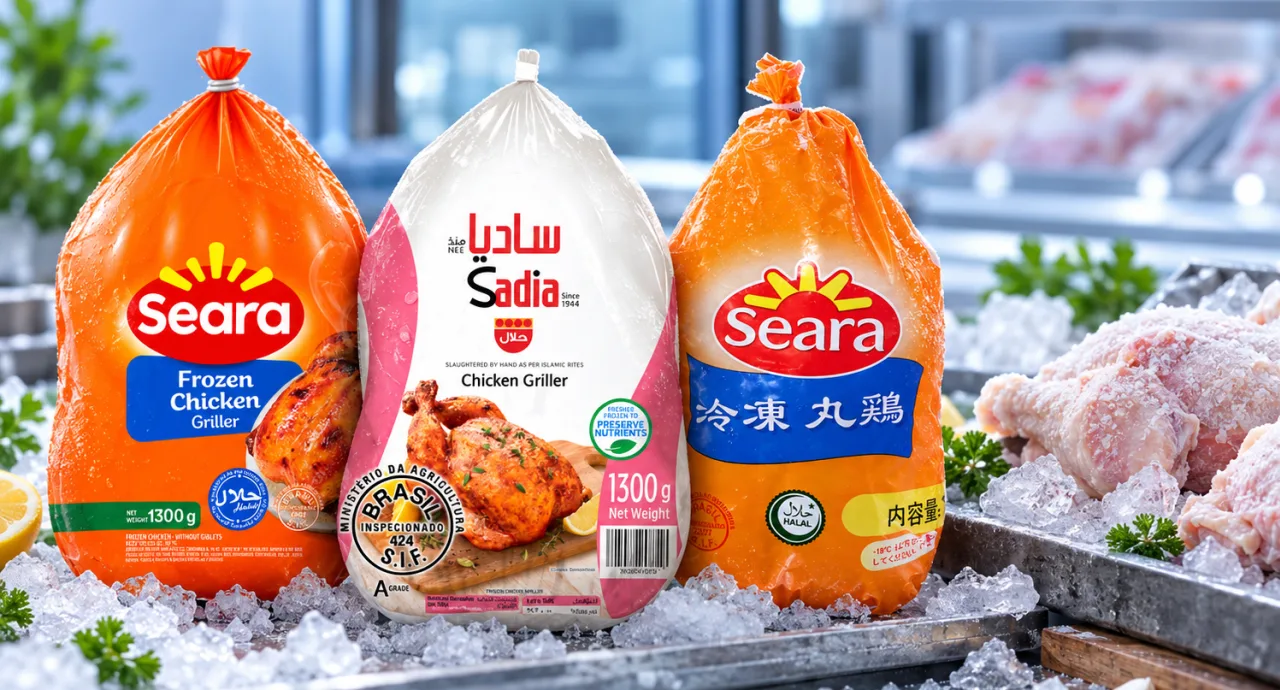
Frozen chicken can be convenient for curries and soups, provided it is thawed or cooked according to appropriate instructions.
Fresh chicken may be easier to prepare when cooking is planned immediately.
Beef
Beef can be used in many forms, including mince, cubes and boneless cuts.
Its storage requirements depend partly on the product type. Ground beef generally has a shorter recommended refrigerated storage period than intact beef cuts.
Lamb and Mutton
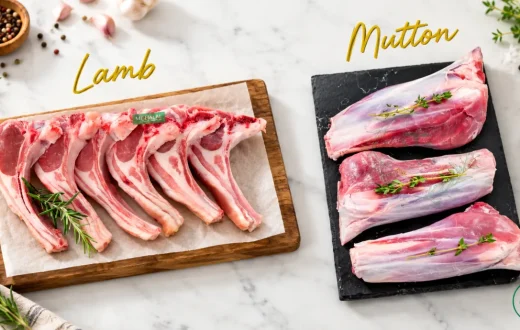
Both fresh and frozen lamb or mutton can be suitable for traditional dishes.
For longer-cooked preparations, cut selection and cooking technique often matter more than whether the meat was previously frozen.
MT Halal Mart provides a Meat & Poultry Collection featuring different cuts and product types. Check each listing for its actual storage condition and current availability.
5. Storage Requirements: How Long Can Meat Be Kept?
Storage is an important factor when comparing fresh and frozen halal meat.
According to FoodSafety.gov, household refrigerators should be maintained at 4°C or below, while freezers should be kept at -18°C or below.
Recommended refrigerator storage periods vary by meat type.
| Raw Meat Type | Refrigerator at 4°C or Below | Freezer Quality Guideline at -18°C or Below |
|---|---|---|
| Chicken or other poultry pieces | 1–2 days | About 9 months |
| Whole chicken or poultry | 1–2 days | About 1 year |
| Ground beef or other ground meat | 1–2 days | 3–4 months |
| Beef, lamb or mutton steaks, chops and roasts | 3–5 days | 4–12 months |
These are general household storage guidelines. Product-specific use-by dates and handling instructions must also be followed.
The freezer periods are quality recommendations, not automatic safety expiry dates. Food that remains continuously frozen at the correct temperature can stay safe longer, although quality may decline.
Preventing Cross-Contamination
Raw meat should be kept in secure packaging or containers that prevent juices from contacting ready-to-eat foods.
Do not leave perishable meat at room temperature for extended periods.
For detailed official guidance, consult the FoodSafety.gov Cold Food Storage Chart.
6. Does Freezing Change the Halal Status of Meat?
No. Freezing itself does not make halal meat non-halal.
Likewise, freezing non-halal meat does not make it halal.
Halal suitability depends on the relevant animal source, slaughter requirements and ingredients or processing involved.
For Muslim shoppers, important questions include:
- Is the animal species permissible?
- Does the slaughter meet the halal requirements followed by the consumer?
- Are any marinades or added ingredients suitable?
- Is there reliable product information supporting its halal status?
Storage condition and halal verification are separate matters.
A package labeled frozen, fresh or premium does not independently establish halal certification.
7. What Should You Check When Buying Frozen Meat Online in Japan?
When ordering meat through an online grocery store, it is useful to confirm details beyond the product name.
Product Description
Check the animal species, cut, pack weight and any relevant processing information.
Storage Condition
Look for clear information about whether the item is chilled or frozen.
Do not assume that an entire product category has the same storage requirements.
Delivery and Handling
Check the seller’s applicable delivery information and any storage instructions supplied with the order.
Refrigerated and frozen meat must be handled according to their temperature requirements.
Actual Price and Availability
Compare the listed pack size and product details before purchasing.
MT Halal Mart’s Chicken Collection and Lamb Collection provide options to explore.
Check the individual product pages for current prices, stock information and storage details.
8. Is Frozen Meat a Better Choice for Reducing Food Waste?
Frozen meat may help reduce waste when it allows households to use ingredients at a later date instead of leaving them in the refrigerator until they spoil.
However, freezing does not automatically prevent food waste.
Poor packaging, prolonged storage and unnecessary thawing can still lead to quality problems or discarded food.
Fresh meat may be equally practical when the required quantity is purchased and cooked within the recommended period.
The better approach is to choose the storage format that matches realistic meal preparation.
For households interested in the separate process of preparing freezer portions, MT Halal Mart has an existing guide: How to Portion Halal Meat Before Freezing for Small Households.
Quick Checklist: Fresh or Frozen Halal Meat?
Before choosing between the two options, consider:
- When will the meat be cooked?
- Is there enough refrigerator or freezer space?
- Does the recipe require a specific cut or texture?
- Can the frozen product be thawed safely?
- Is the product’s halal information clear?
- Are the packaging and storage instructions suitable?
- Does the available pack size meet the household’s needs?
These considerations help shoppers make decisions based on actual cooking requirements rather than general assumptions about freshness.
Frequently Asked Questions
1. Is fresh halal meat better than frozen halal meat?
Not necessarily. Fresh meat may be more convenient for immediate cooking, while properly frozen meat can maintain good quality over time. The product’s handling, cut, packaging and storage conditions matter more than the label alone.
2. Does freezing affect the taste of halal meat?
Freezing can affect texture and moisture retention, particularly when packaging or storage conditions are poor. However, properly frozen meat can retain good flavor and work well in many home-cooked dishes.
3. Is frozen halal meat safe to eat?
Frozen halal meat can be safe when it has been handled correctly, stored at suitable temperatures and cooked properly. Freezing does not eliminate every harmful microorganism or replace safe food handling.
4. Does frozen meat lose its nutritional value?
Freezing generally preserves much of meat’s nutritional value. Some changes can occur during storage, thawing and cooking, but frozen meat is not automatically less nutritious than fresh meat.
5. Can you refreeze halal meat after thawing?
Meat thawed safely in the refrigerator can generally be refrozen, although quality may decline. Meat thawed through other methods requires appropriate handling and may need cooking before refreezing. Never refreeze meat that has been left at unsafe temperatures.
6. Which is better for curry, fresh or frozen meat?
Both can be suitable. For curry, the cut, seasoning, cooking temperature and cooking time often have a greater effect on the finished dish than whether the meat was previously frozen.
7. Where can I buy halal meat in Japan?
Specialist retailers such as MT Halal Mart offer meat and poultry products for shoppers in Japan. Check individual listings for halal information, cut descriptions, storage condition, current prices and availability.
Conclusion
The fresh vs frozen halal meat decision depends on the household’s cooking habits, storage facilities and quality expectations.
Fresh meat can be convenient for meals prepared soon after purchase. Properly frozen meat can offer greater flexibility for cooking on another day.
Neither format guarantees better taste or safety without correct handling.
For shoppers in Japan, selecting the right cut, checking halal information and following storage instructions are more useful than assuming fresh meat is always superior.
Explore MT Halal Mart to compare available meat and poultry options, review product information and check current prices before ordering.
Editorial Verification: Recheck individual product availability, actual fresh or frozen status, pack weights, halal information, delivery instructions and current URLs before publication. Food-safety guidance should be read alongside manufacturer instructions and applicable Japanese food-handling requirements.