Choosing fish and seafood in Japan can feel challenging when you want to prepare halal meals at home. Japanese supermarkets and fish markets offer many options, but unfamiliar species, Japanese labels and different product formats can make shopping confusing.
Fortunately, a practical selection process helps you choose seafood that matches your cooking needs and dietary requirements. For example, firm fish pieces work well in curry, while boneless fillets suit quick pan-cooked meals.
When exploring halal seafood in Japan, consider the species, ingredients, freshness, cut and storage requirements before purchasing. This guide explains how to evaluate those factors and select suitable fish and seafood for everyday home cooking.
1. Start by Choosing Seafood That Suits Your Halal Requirements
Before comparing fish types, identify which seafood you can eat according to the Islamic dietary guidance you follow.
Most Sunni scholars permit ordinary fish, including salmon, tuna and mackerel. However, Islamic schools differ in their rulings on shrimp, crab, squid and certain other aquatic animals.
Therefore, do not assume that every seafood product meets everyone’s religious requirements.
For plain fish, the species may provide the main information you need. Nevertheless, prepared or seasoned products require additional ingredient checks.
If you want a detailed explanation of different religious rulings, review Blog #11, Is Fish Halal in Japan? Understanding Fish, Seafood and Islamic Dietary Guidelines.
This buying guide focuses on the next step: choosing a suitable seafood product for your kitchen.
2. Choose the Right Fish for Your Cooking Method
Different fish varieties have different flavors, textures and cooking characteristics.
Some varieties have firm flesh that holds together during simmering. Others have softer flesh that may break apart when you stir a curry.
As a result, your planned recipe should guide your selection.
| Fish Type | Japanese Name | Texture | Suitable Home-Cooking Uses |
|---|---|---|---|
| Salmon | Sake (鮭) | Rich and relatively firm | Baking, pan-cooking, rice bowls |
| Mackerel | Saba (サバ) | Oily, flavorful | Grilling, pan-frying |
| Cod | Tara (タラ) | Mild and flaky | Light curry, soup, steaming |
| Sea bream | Tai (鯛) | Firm, mild | Steaming, grilling |
| Tuna | Maguro (マグロ) | Firm, varies by cut | Grilling, quick pan-cooking |
| Yellowtail | Buri (ブリ) | Rich and firm | Pan-cooking, simmering |
These suggestions describe general culinary characteristics. However, the exact texture may vary according to species, cut and freshness.
For Fish Curry
Choose pieces that can tolerate gentle simmering.
For example, firm fish steaks or thicker portions may hold their shape better than very delicate fillets.
Avoid excessive stirring because fish flesh can break apart after cooking.
For Grilling
Fish with firmer flesh or a naturally higher fat content often works well with grilling.
Salmon, mackerel and yellowtail offer practical options for different seasoning styles.
Nevertheless, consider the thickness of each portion when planning cooking time.
For Soup or Light Dishes
Mild fish such as cod can complement broth-based meals.
In addition, softer fish suits steaming when you want a delicate texture.
Choose a preparation method that protects the fish rather than overpowering its natural flavor.
3. Whole Fish, Steaks or Fillets: What Should You Buy?
The format of the fish affects preparation time, portion control and the final eating experience.
Whole Fish
A whole fish may suit households that enjoy cooking with the head and bones.
However, preparation can involve scaling, gutting and cleaning unless the seller completes those steps.
Before buying, ask whether the fish already comes cleaned.
Fish Steaks
Fish steaks usually contain cross-sectional portions that may include the central bone.
Their structure makes them useful for several curry and pan-cooking methods.
However, check for bones before serving, especially when preparing meals for children.
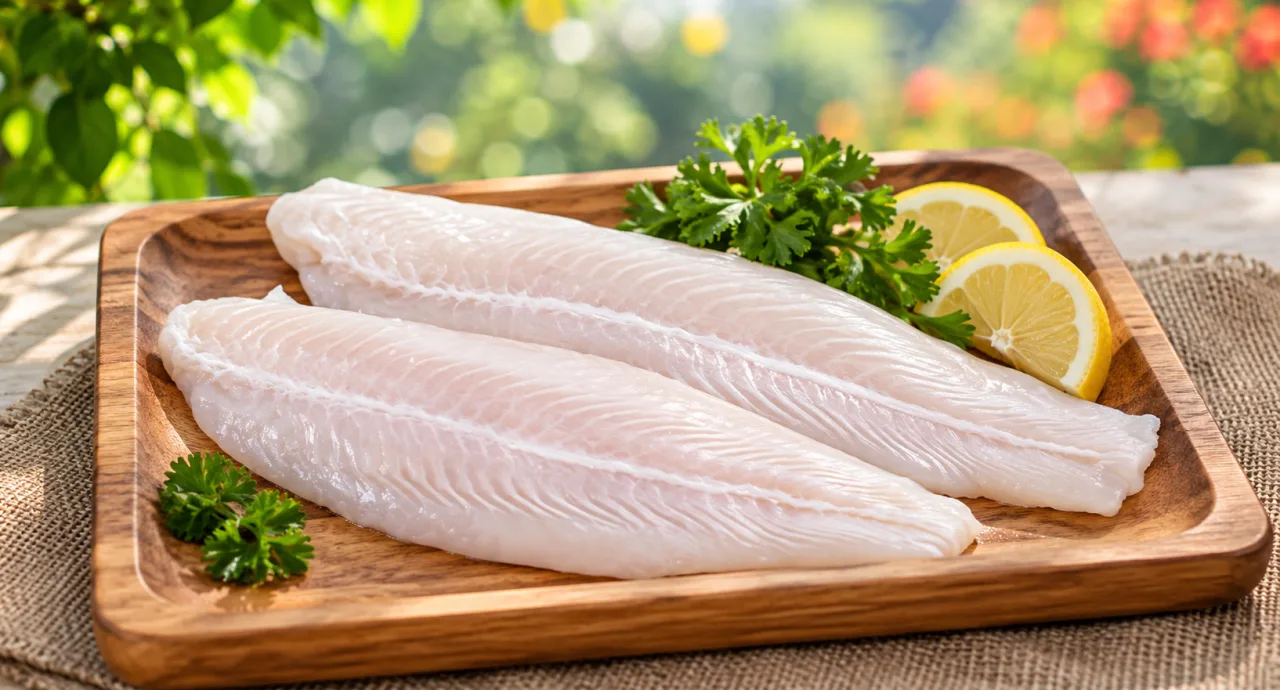
Fish Fillets
Fillets provide convenient portions for quick home cooking.
Some fillets contain few bones, although the word “fillet” does not guarantee that every bone has been removed.
Therefore, inspect the product description and check the flesh carefully before serving.
| Product Format | Main Advantage | What to Check |
|---|---|---|
| Whole fish | Flexible preparation and traditional presentation | Cleaning, size and bones |
| Fish steaks | Practical portions for curry and frying | Bone content and thickness |
| Fish fillets | Less preparation for quick meals | Skin, pin bones and portion size |
For everyday cooking, choose the format that matches your available preparation time and preferred recipe.
4. How to Check Fish Freshness Before Buying
Freshness matters for flavor, texture and food safety.
The US Food and Drug Administration recommends purchasing fresh fish from properly refrigerated displays or well-maintained ice beds.
You can also assess several visible characteristics.
Check the Smell
Fresh fish should have a mild smell rather than a strong sour, rancid or ammonia-like odor.
If the fish smells unpleasant, avoid purchasing it.
Examine the Flesh
Fish flesh should generally feel firm and spring back when pressed gently.
Meanwhile, fillets should not show excessive drying or dark discoloration around their edges.
Appearance alone cannot guarantee freshness, but it can help identify potential quality concerns.
Look at Whole Fish Carefully
When purchasing whole fish, examine the eyes and gills.
Clear eyes and healthy-looking gills can support your assessment. However, storage conditions and handling also affect appearance.
Therefore, consider the complete picture rather than relying on a single sign.
Check the Display Temperature
Choose seafood from a properly chilled counter.
Fish that sits without adequate refrigeration may present food-safety concerns, even when its appearance seems acceptable.
When possible, buy seafood near the end of your shopping trip so it spends less time outside refrigeration.
5. What Should You Check When Buying Frozen Fish?
Frozen fish offers a practical option when you cannot find a suitable refrigerated product.
However, a good purchasing decision requires more than selecting a familiar species.
Inspect the Packaging
Avoid packages with tears, broken seals or obvious damage.
In addition, check whether the fish remains solidly frozen.
Large amounts of frost or ice crystals may indicate prolonged storage or temperature fluctuations, although they do not independently prove that the product is unsafe.
Check the Product Description
Look for information about the species, weight, cut and storage instructions.
For example, a product may contain whole fish, skin-on fillets or bone-in pieces.
Choosing the correct format helps avoid unnecessary preparation work.
Consider Your Storage Space
Before purchasing a large frozen pack, check whether your freezer can accommodate it.
If you plan to cook only a small quantity, consider a pack that allows convenient portioning.
This article focuses on choosing a suitable frozen product. Blog #13 will explain fresh-versus-frozen fish differences in greater detail.
6. How to Read Japanese Seafood Labels
Japanese seafood packaging may contain unfamiliar names and preparation instructions.
Therefore, learning a few common terms can make shopping easier.
| Japanese Label | English Meaning | Shopping Relevance |
|---|---|---|
| 魚 (Sakana) | Fish | General fish identification |
| 鮭 (Sake) | Salmon | Species identification |
| 鯖 / さば (Saba) | Mackerel | Species identification |
| 鱈 / たら (Tara) | Cod | Species identification |
| えび (Ebi) | Shrimp | Seafood identification |
| いか (Ika) | Squid | Seafood identification |
| 冷凍 (Reitō) | Frozen | Storage condition |
| 生 (Nama) | Raw / fresh, depending on context | Requires attention to product context |
| 加熱用 (Kanetsu-yō) | Intended for cooking | Do not treat as ready to eat |
| 原材料名 (Genzairyō-mei) | Ingredients | Helps identify additives |
These terms offer useful clues, but they do not replace the full product label.
Check Ingredients, Not Just the Fish Name
A plain fish product may contain only one main ingredient.
However, some seafood packages include marinades, glazes or seasonings.
For halal home cooking, examine these additions carefully. In particular, check for ingredients such as mirin, cooking sake or animal-derived flavorings when relevant.
Japan’s Consumer Affairs Agency provides official guidance on packaged-food labels and ingredient declarations.
For more help with Japanese terminology, read MT Halal Mart’s Japanese Food Label Guide.
7. How to Choose Shrimp and Other Seafood
Fish is not the only seafood option in Japanese markets.
You may also find shrimp, squid, crab, clams and other products.
However, religious rulings differ for some of these aquatic animals. Therefore, confirm that the species meets your dietary requirements before considering its cooking qualities.
Choosing Shrimp
When selecting shrimp, check the product’s size, shell condition and smell.
Shrimp should not have a sour or ammonia-like odor.
In addition, decide whether you want whole shrimp, peeled shrimp or a product with the tail attached.
The format affects preparation time and presentation.
Choosing Squid or Other Seafood
For squid, check whether the product comes whole or already cleaned.
Some packages require you to remove additional parts before cooking.
Similarly, shellfish may require specific freshness checks and handling procedures.
If you cannot confidently identify the species or product condition, ask the seller for clarification before purchasing.
8. Match Your Seafood Choice to Your Household Needs
A suitable seafood purchase should match your household’s cooking habits.
For example, families preparing traditional fish curry may prefer bone-in pieces. Meanwhile, people cooking quick meals may prefer portioned fillets.
Consider Preparation Time
Whole fish can require more cleaning and cutting.
On the other hand, prepared fillets can reduce kitchen work.
Choose the format that matches your schedule.
Consider Bones and Serving Preferences
Some fish contain many small bones, while others offer easier-to-manage portions.
Therefore, check the species and cut when planning meals for children or anyone who has difficulty handling fish bones.
Consider Pack Weight
Compare the actual product weight rather than focusing only on package size.
In addition, remember that whole fish and bone-in pieces may provide less directly usable flesh than boneless portions.
The better option depends on your recipe and serving requirements.
9. Keep Fish Safe After Shopping
Proper handling protects seafood quality after purchase.
The FDA recommends refrigerating seafood promptly at 4°C (40°F) or below and using it within two days, or freezing it for longer storage.
When preparing fish, keep raw seafood separate from ready-to-eat foods.
Moreover, wash your hands and clean utensils after handling raw products.
For home cooking, the FDA recommends cooking most fish to an internal temperature of 63°C (145°F).
Use a food thermometer when possible.
These practices help reduce foodborne illness risks and support safer home cooking.
10. Choosing Ingredients for Halal Seafood Meals
Once you select the right fish, consider the ingredients that accompany it.
For example, fish curry may need turmeric, coriander, cumin, ginger and garlic.
Meanwhile, grilled fish often works with simpler seasonings such as black pepper, lemon and herbs.
However, the cooking ingredients must also meet your halal requirements.
When preparing Japanese-inspired dishes, pay attention to ready-made sauces and seasonings.
For South Asian home cooking, explore MT Halal Mart’s Masala & Spices Collection for relevant ingredients.
MT Halal Mart also provides online grocery shopping in Japan. However, confirm current seafood availability separately rather than assuming the store carries every fish variety discussed in this guide.
Quick Checklist Before Buying Fish and Seafood in Japan
Before purchasing, ask yourself:
- Does this species meet my Islamic dietary requirements?
- Will I prepare curry, grilled fish, soup or another dish?
- Do I need a whole fish, steaks or fillets?
- Does the seafood look and smell suitable?
- Has the seller kept it properly chilled or frozen?
- Does the packaging clearly identify ingredients and storage conditions?
- Does the pack size suit my household?
- Can I store and cook the seafood safely?
This checklist helps you make decisions based on the actual product rather than its name alone.
Frequently Asked Questions
1. How do I choose halal fish in Japan?
Start by identifying a fish species that meets your religious requirements. Then check its freshness, cut, packaging and suitability for your recipe. MT Halal Mart’s grocery resources can also help Muslim households understand Japanese ingredient labels and cooking essentials.
2. Which fish is best for halal home cooking?
The best fish depends on your recipe. Firm portions suit many curries, while salmon and mackerel work well for grilling or pan-cooking. MT Halal Mart offers relevant spices and groceries that can complement different fish dishes at home.
3. How can I tell whether fish is fresh?
Fresh fish should generally have a mild smell and firm flesh without obvious discoloration. Whole fish may also show clear eyes and healthy-looking gills. MT Halal Mart customers can use these general buying principles when shopping for seafood in Japan.
4. Can Muslims buy fish from Japanese supermarkets?
Yes. Muslims can purchase suitable fish from Japanese supermarkets, provided the species and any added ingredients meet their dietary requirements. MT Halal Mart’s Japanese food-label guide can help shoppers recognize ingredients that require extra attention.
5. Is frozen fish suitable for halal home cooking?
Yes. Frozen fish can work well for home cooking when the species and ingredients meet your halal requirements. However, check the packaging and storage conditions before purchasing. MT Halal Mart shoppers should also choose pack sizes that match their household needs.
6. Should I choose fish fillets or whole fish?
Choose fillets when you want convenient portions with less preparation. Whole fish suits recipes that benefit from traditional presentation or different cuts. MT Halal Mart customers should compare preparation needs and bone content before deciding which format suits their meals.
7. Where can I find ingredients for halal seafood cooking in Japan?
You can find basic cooking ingredients through grocery retailers and specialty food stores. MT Halal Mart offers an online selection of spices and other groceries, helping households prepare fish curries, grilled fish and related meals. Check its current product listings before ordering.
Conclusion
Choosing halal seafood in Japan becomes easier when you focus on the species, cooking method, product format and freshness.
Start with seafood that meets your religious requirements. Next, select a suitable cut and examine the packaging, storage condition and ingredients.
Whether you plan to cook fish curry, grilled salmon or a simple seafood meal, the right selection can improve both convenience and cooking results.
Explore MT Halal Mart for spices, seasonings and other grocery essentials that support halal home cooking in Japan.
Editorial Verification: Confirm current product details, halal information, ingredients and availability before publication. This article provides practical shopping guidance rather than a religious ruling. Follow the Islamic dietary interpretation relevant to you and recognized food-safety guidance when selecting and preparing seafood.