

Introduction
Japanese food is famous for its delicate taste, freshness, and balance. But for many Muslims living in or outside Japan, enjoying Japanese cuisine can be a bit challenging. Most traditional dishes contain soy sauce made with alcohol, mirin (sweet rice wine), or non-halal meat and broth.
The good news is that you don’t have to give up your love for Japanese food. With a few ingredient swaps and the right halal alternatives, you can easily prepare authentic-tasting Japanese dishes right in your own kitchen. In this guide, we’ll share some of the most popular Japanese recipes that can be made halal-friendly without losing their true flavor.
What Makes a Japanese Dish “Halal-Friendly”?
To make a Japanese dish halal, you only need to adjust a few key ingredients.
Here are the basics:
- Avoid pork and alcohol: Replace pork with chicken, beef, or seafood. Avoid cooking wines like mirin or sake.
- Use halal-certified sauces: Choose halal-certified soy sauce or tamari.
- Use halal meat and broth: Always buy from trusted halal suppliers or stores.
- Check packaged ingredients: Sometimes sauces or seasonings contain hidden non-halal elements, so always read labels carefully.
Once you keep these simple points in mind, most Japanese dishes can be adapted easily for a halal diet.
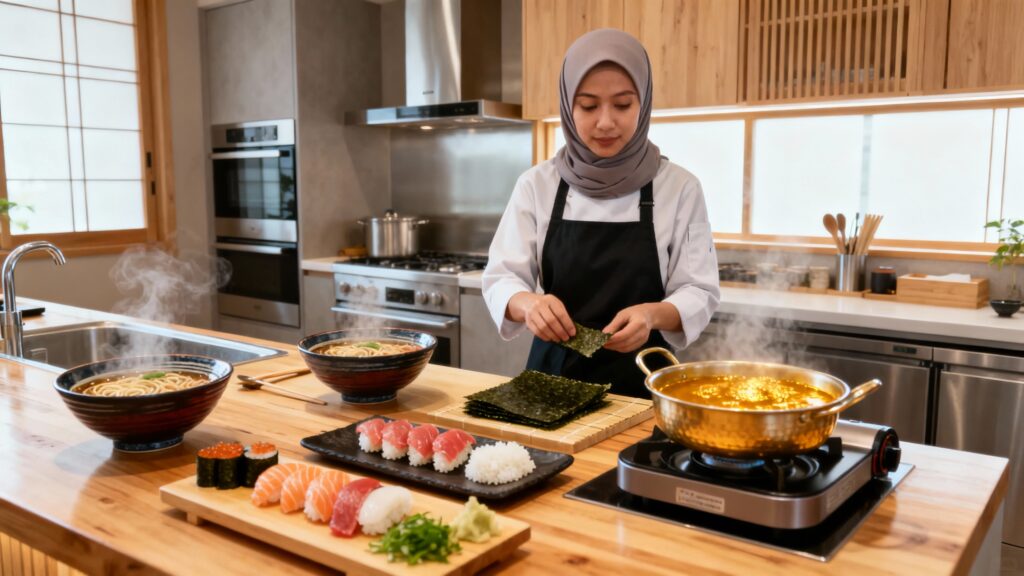
5 Halal Japanese Dishes You Can Cook at Home
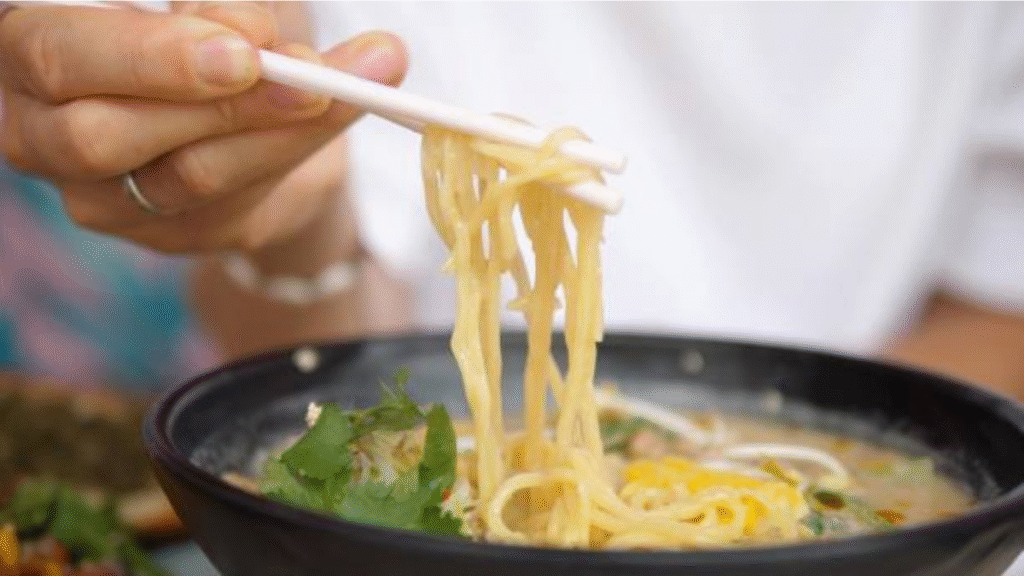
1. Halal Ramen
Ramen is Japan’s most popular comfort food a hot bowl of noodles in rich broth.
To make it halal, use chicken or vegetable broth instead of pork-based broth. Add boiled eggs, mushrooms, spring onions, corn, and your choice of halal chicken or seafood.
For seasoning, use halal soy sauce, garlic, and sesame oil. The flavor will be just as satisfying and aromatic as the traditional version.
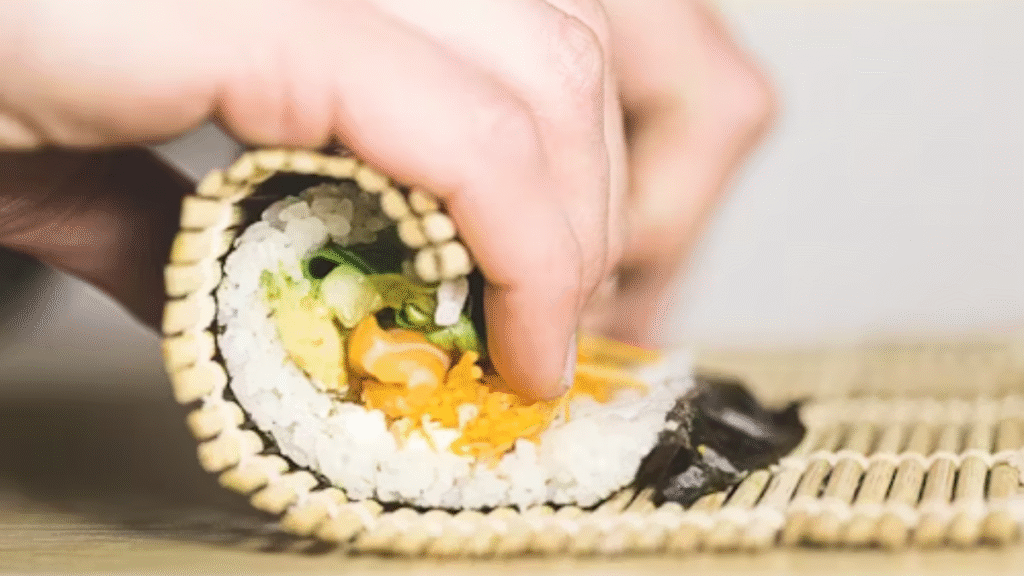
2. Halal Sushi Rolls
Sushi doesn’t have to include raw fish or alcohol-based vinegar.
For halal sushi, use rice vinegar without alcohol and fillings like cooked tuna, shrimp, avocado, or cucumber. You can also try omelet (tamago) sushi using halal-certified eggs.
Rolling sushi is fun and perfect for family gatherings or a weekend cooking activity.
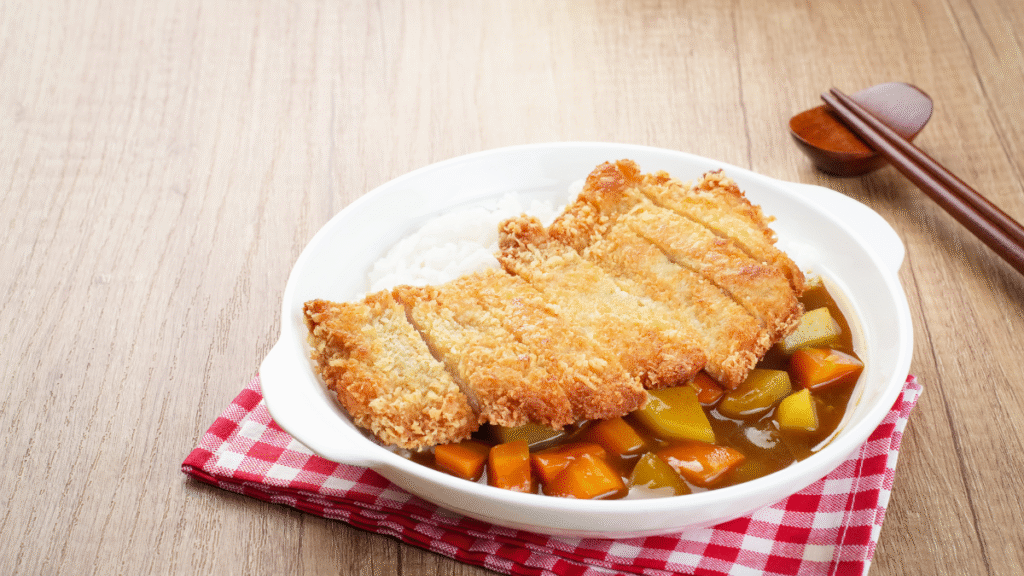
3. Halal Chicken Katsu Curry
Japanese curry rice is a household favorite across Japan. The Katsu Curry version is crispy chicken served with thick, mildly spicy curry sauce.
To make it halal, use halal chicken, coat it with breadcrumbs, and fry it in clean oil. For the curry, cook onions, garlic, carrots, and potatoes, then add halal curry cubes or homemade curry spice mix.
Serve with rice it’s warm, rich, and comforting.
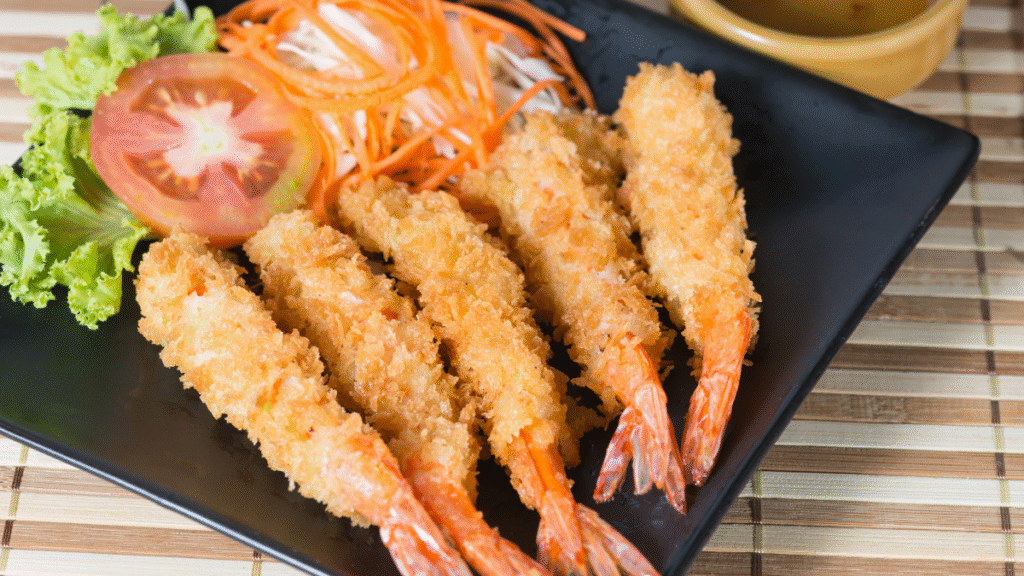
4. Halal Tempura
Tempura is all about light, crispy batter-fried vegetables or seafood.
For a halal version, use shrimp, sweet potato, eggplant, or zucchini and fry in clean vegetable oil.
Avoid dipping sauces that contain mirin or alcohol. Instead, make your own sauce with soy sauce, sugar, and grated ginger.
The result is a perfect golden crunch that feels like dining in a Japanese restaurant.
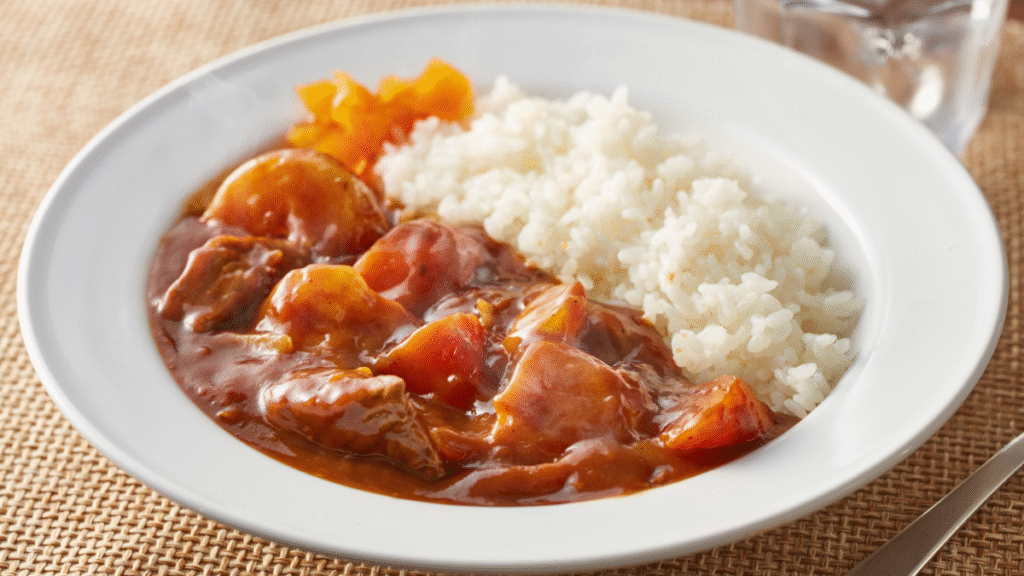
5. Halal Japanese Curry Rice
This is one of the easiest Japanese meals to make at home.
Simply cook chopped meat (chicken or beef) with onions and vegetables. Then add water and halal curry cubes or spices.
Let it simmer until thick and aromatic. Serve with steamed rice it’s a simple one-pot dish that’s wholesome, hearty, and family-friendly.
Tips for Finding Halal Ingredients in Japan
If you live in Japan, it’s now much easier to find halal-certified products.
Many online stores and supermarkets stock halal sauces, curry cubes, and frozen meat.
Final Thoughts
Japanese food is full of variety, color, and comfort and being Muslim doesn’t mean missing out on that experience. With halal-certified ingredients and small substitutions, you can enjoy all the flavors of Japan right at home.
Start with one of these recipes this week, and you’ll see how simple and satisfying halal Japanese cooking can be.
Ready to begin? Visit our MT Halal Store to get halal-certified Japanese ingredients and start cooking your favorite dishes today.