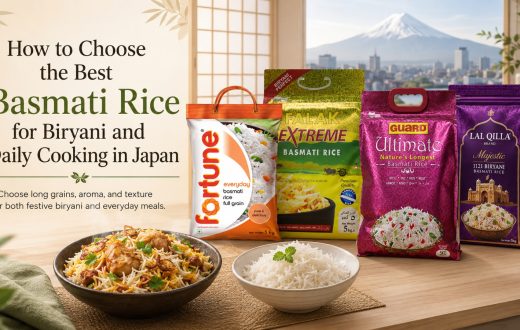
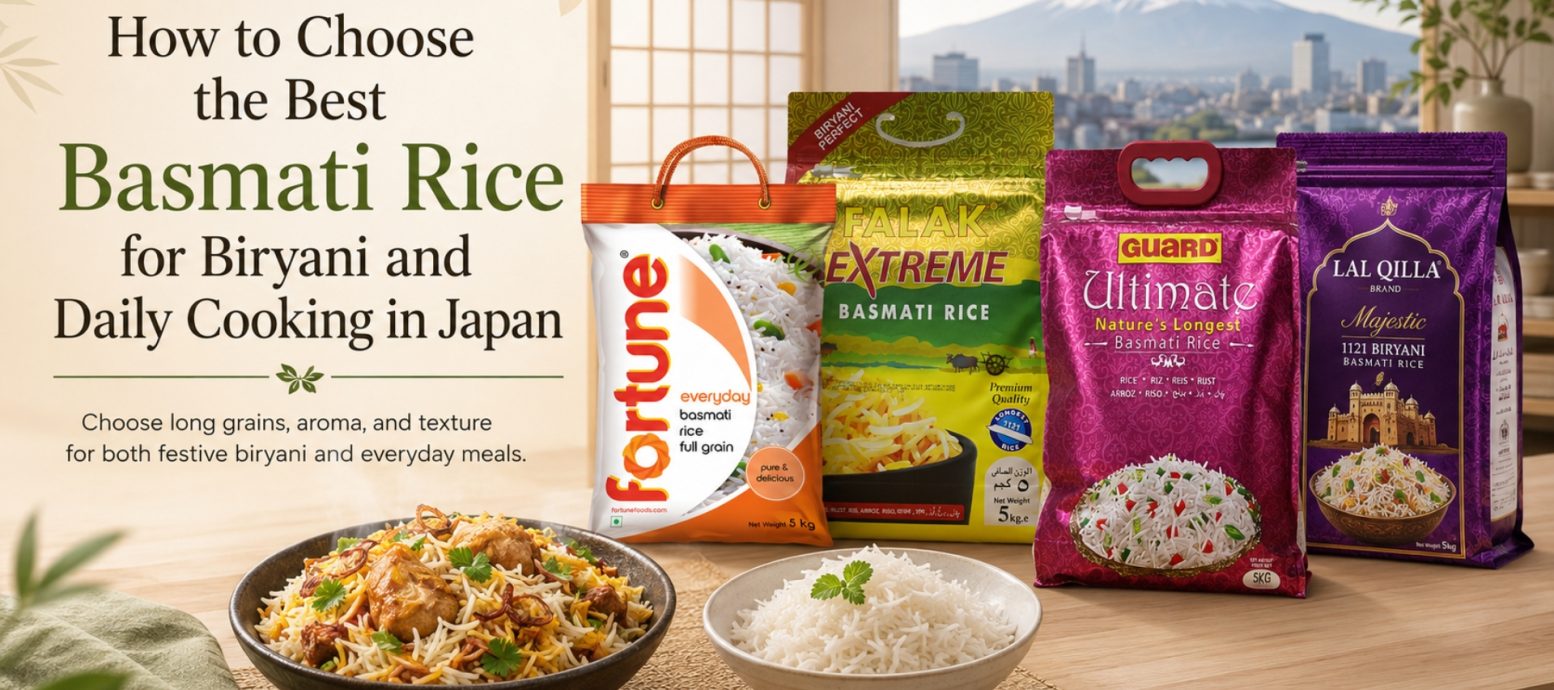
Choosing rice for everyday meals in Japan can become confusing when the nearest supermarket mainly carries short-grain Japanese rice. Japanese rice is excellent for sushi, onigiri, donburi, and local dishes, but it may not provide the long, separate grains many families want for curry, daal chawal, pulao, or biryani.
The best Basmati rice for everyday cooking in Japan should suit your meals, budget, household size, storage space, and preferred texture. Premium rice may be ideal for special biryani, while a reliable everyday variety may be more practical for regular curry and rice meals.
MTHalal helps customers browse Basmati, Sella, long-grain, and other rice varieties alongside daal, halal meat, spices, oils, pickles, and pantry essentials through one online grocery platform.
Understanding the main differences between rice types can help you choose more confidently and avoid sticky, broken, overly soft, or unsuitable rice.
Why Basmati Rice Is Different From Japanese Rice
Basmati rice and Japanese rice are designed for different eating styles.
Japanese rice is usually short or medium grain. It becomes soft and sticky after cooking, which makes it suitable for chopsticks, sushi, rice balls, and Japanese bowls.
Basmati is generally longer, slimmer, and less sticky when prepared correctly.
Basmati Rice Is Commonly Used For
It works well with:
- Chicken curry
- Beef or mutton curry
- Daal chawal
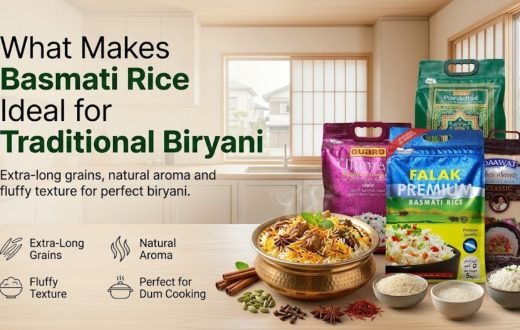
- Biryani
- Pulao
- Chana
- Rajma
- Kebabs
- Grilled chicken
- Fried rice
- Family dinner plates
- Ramadan and Eid meals
The grains can remain more separate, allowing curry, stock, spices, and sauces to coat the rice without turning it into a sticky mass.
Everyday Rice and Special-Occasion Rice Are Not Always the Same
The most expensive rice is not automatically the best choice for every meal.
A premium aged Basmati may offer extra-long grains and a stronger aroma, making it suitable for biryani, pulao, guests, Eid, and family gatherings.
For daily meals, families may prefer rice that is:
- Easy to cook
- Consistent
- Moderately aromatic
- Affordable
- Suitable for curry and daal
- Available in a practical pack size
Some households keep one premium rice for special meals and one balanced option for everyday cooking.
1. Check the Rice Type
The first thing to check is whether the product is actually Basmati rice.
Do not choose only by the word “long grain.” Long-grain rice and Basmati rice may have different aroma, texture, and cooking behavior.
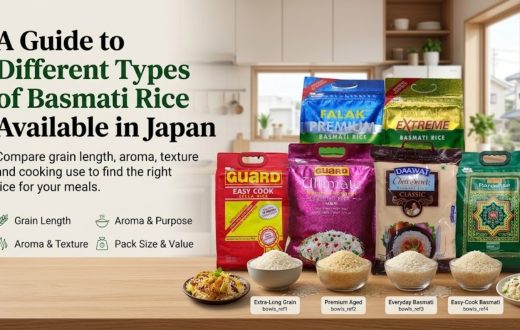
Common Rice Types You May See
Online stores may list:
- Traditional Basmati rice
- Aged Basmati rice
- Premium Basmati rice
- Extra-long Basmati rice
- Sella or parboiled Basmati
- White long-grain rice
- Jasmine rice
- Short-grain rice
- Everyday rice
Read the full product title and description before ordering.
2. Look at Grain Length
Grain length affects both presentation and texture.
Good Basmati rice normally has long, slim grains. During cooking, the grains may become longer while remaining relatively separate.
Long Grains Are Helpful For
They are especially useful for:
- Biryani
- Pulao
- Festive rice
- Guest meals
- Layered rice dishes
For everyday curry and daal, very extra-long grains are not always necessary. A standard long-grain Basmati can still provide a good result at a more practical price.
3. Consider the Aroma
Basmati is known for its natural aroma.
Some varieties have a stronger fragrance, while others are mild and balanced.
Stronger Aroma May Suit
It can work well for:
- Biryani
- Pulao
- Eid meals
- Guest dinners
- Traditional rice dishes
A Milder Aroma May Suit
It can be practical for:
- Daal chawal
- Chicken curry
- Vegetable curry
- Daily lunch
- Children’s meals
- Meal preparation
Choose according to your family’s preference rather than assuming stronger aroma is always better.
4. Understand Aged Basmati Rice
Aged Basmati has been stored under controlled conditions before sale.
Ageing can help reduce moisture and may improve grain separation, aroma, and cooking strength.
Aged Rice Can Be Useful For
It may work particularly well for:
- Biryani
- Pulao
- Large family meals
- Layered cooking
- Steam finishing
- Special occasions
Aged rice may require slightly different soaking or water quantities, so follow the pack instructions and adjust through experience.
5. Understand Sella Rice
Sella rice is parboiled before milling.
This process makes the grains firmer and helps them remain separate during cooking.
Sella Rice Can Work Well For
It is useful for:
- Biryani
- Large rice pots
- Catering-style meals
- Pulao
- Rice that needs firm grains
- Meals prepared ahead of serving
Sella rice may take longer to soak or cook than regular white Basmati. Its texture is also firmer, which some families enjoy and others may find less suitable for soft everyday meals.
6. Check Whether the Rice Becomes Fluffy or Firm
Rice descriptions often use words such as fluffy, firm, soft, separate, or non-sticky.
These words help explain the expected result.
Fluffy Rice Is Useful For
It can suit:
- Curry and rice
- Daal chawal
- Pulao
- Family dinners
- Fried rice
Firmer Rice Is Useful For
It can suit:
- Biryani
- Large cooking batches
- Layered dishes
- Meals that will be reheated
- Rice served several hours later
Choose the texture according to how you normally cook and serve rice.
7. Check the Amount of Broken Grains
Long, unbroken grains usually create a more attractive result.
Too many broken grains can make cooked rice appear uneven and may increase softness or stickiness.
Online customers cannot inspect every grain, but they can check:
- Product description
- Brand information
- Product photos
- Customer reviews
- Premium or standard grade
- Seller details
For daily meals, a small amount of breakage may not matter. For biryani or guests, more uniform grains may be worth paying for.
8. Check the Country of Origin
Basmati rice is strongly associated with South Asian growing regions, particularly areas of Pakistan and India.
The country of origin can help customers identify the rice style and brand tradition.
However, origin alone does not guarantee that a rice will suit your family.
Also consider:
- Grain length
- Ageing
- Processing
- Pack condition
- Cooking instructions
- Price
- Household preference
The best rice is the one that performs consistently in your kitchen.
9. Choose According to Your Main Meals
Before ordering rice, think about what you cook most often.
For Daal and Curry
Choose rice that is:
- Fluffy
- Easy to cook
- Moderately aromatic
- Suitable for frequent use
- Affordable for the household
For Biryani
Choose rice that is:
- Long or extra-long
- Strong enough for partial boiling
- Able to remain separate
- Suitable for layering and steaming
- Aromatic
For Pulao
Choose rice that can:
- Absorb stock
- Remain separate
- Hold whole-spice aroma
- Stay fluffy after resting
For Fried Rice
Choose rice that:
- Does not become overly sticky
- Can be cooled and separated
- Holds its shape during frying
Your normal meal plan should guide the purchase.
10. Check the Pack Size
Rice is often sold in 1kg, 5kg, 10kg, or larger bags.
The right size depends on household use.
Smaller Packs Suit
They may be practical for:
- Students
- Single residents
- First-time buyers
- Small kitchens
- Occasional Basmati cooking
- People testing a new brand
Larger Packs Suit
They can work for:
- Families
- Shared households
- Daily rice cooking
- Ramadan planning
- Regular biryani or curry meals
- Customers with proper storage space
A large bag is only economical when it can be stored safely and used before its quality declines.
11. Calculate Value Per Kilogram
Do not compare rice only by the total bag price.
A larger bag may cost more overall but less per kilogram.
Compare
Check:
- Total price
- Weight
- Price per kilogram
- Delivery cost
- Brand
- Rice type
- Ageing
- Grain quality
- Number of expected meals
The cheapest rice may not be good value if it breaks easily, cooks inconsistently, or does not suit the household.
12. Check the Brand and Product Description
A clear listing should explain what type of rice you are buying.
Look for Details Such As
Check:
- Brand
- Rice type
- Weight
- Country of origin
- Aged or non-aged
- Sella or regular white rice
- Grain length
- Aroma
- Texture
- Recommended uses
- Manufacturing information
- Storage guidance
Do not rely only on a bag image or product name.
13. Check Current Stock Before Planning Meals
Online rice availability can change.
A preferred brand may be available one week and sold out the next.
Before planning a special meal, confirm that the product is currently in stock.
For Eid, Ramadan, guests, or family gatherings, order early enough to avoid last-minute pressure.
14. Read Reviews Carefully
Customer reviews may help explain how rice performs in real kitchens.
Reviews May Mention
They can provide information about:
- Aroma
- Grain length
- Stickiness
- Cooking time
- Packaging
- Delivery condition
- Value
- Suitability for biryani
- Suitability for daily meals
Remember that cooking results also depend on washing, soaking, water quantity, pot type, and heat.
15. Check the Packaging
Rice should arrive in a sealed and undamaged bag.
Good Packaging Helps Protect Against
It helps reduce:
- Moisture
- Insects
- Dust
- Odors
- Leakage
- Contamination
When the rice arrives, check the bag before storing it.
Do not use rice that shows serious contamination, unusual odor, moisture damage, or insects.
16. Consider Storage Space
A 5kg or 10kg rice bag needs proper storage.
Before ordering, make sure you have a suitable container or dry cupboard.
Rice Storage Should Be
Keep rice:
- In a sealed container
- In a cool, dry place
- Away from direct sunlight
- Away from moisture
- Away from strong-smelling products
- Protected from insects
- Off a damp floor
Write the opening date on the container when helpful.
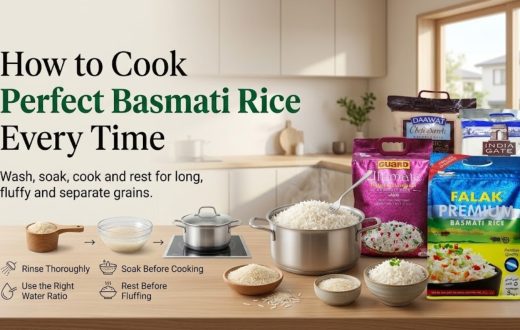
17. Wash the Rice Properly
Basmati rice should generally be washed gently before cooking.
Washing removes surface starch and helps grains remain separate.
Simple Washing Method
You can:
- Place the rice in a bowl
- Add cool water
- Move the grains gently with your hand
- Drain the cloudy water
- Repeat until the water becomes clearer
Avoid rubbing the grains aggressively because this can increase breakage.
18. Soak According to the Rice Type
Soaking can help Basmati grains cook more evenly and lengthen during cooking.
Many varieties benefit from soaking, but the ideal time may vary.
Soaking Can Help
It may support:
- More even cooking
- Better grain length
- Reduced breakage
- Faster cooking
- A fluffier result
Regular Basmati may need a shorter soak, while aged or Sella rice may require a different approach.
Check the product instructions and adjust after your first cooking attempt.
19. Use the Correct Water Ratio
There is no single water ratio that works perfectly for every Basmati product.
Water needs can vary according to:
- Rice age
- Grain type
- Soaking time
- Pot size
- Cooking method
- Heat level
- Household texture preference
Start with the pack instructions where available.
Record the ratio that works best so future meals become more consistent.
20. Choose the Right Cooking Method
Basmati rice can be cooked using several methods.
Absorption Method
Rice cooks in a measured amount of water until the liquid is absorbed.
This is useful for:
- Daily rice
- Daal chawal
- Curry meals
- Smaller portions
Boil and Drain Method
Rice is cooked in plenty of water and drained when nearly ready.
This is common for:
- Biryani
- Large quantities
- Layered rice dishes
- Cooks who want control over softness
Rice Cooker Method
A rice cooker can be convenient for daily meals.
However, Basmati may need a different water ratio than Japanese short-grain rice.
21. Do Not Overcook Basmati Rice
Overcooking can make the grains soft, broken, or sticky.
For biryani, rice is often only partly cooked before layering because it continues cooking during dum or steam finishing.
For everyday rice, remove it from heat when the grains are cooked but still hold their shape.
Letting rice rest after cooking can improve the final texture.
22. Fluff the Rice Gently
Do not mix freshly cooked Basmati aggressively.
Allow it to rest briefly, then use a fork or light spoon to separate the grains.
Rough mixing can break long grains and make the rice appear sticky.
23. Test a New Rice With a Small Batch
Before using a new brand for guests or a large biryani, cook a small amount.
A test batch helps you understand:
- Soaking time
- Water quantity
- Cooking speed
- Aroma
- Texture
- Grain strength
- Family preference
This reduces the risk of disappointing results during a special meal.
24. Keep Separate Rice for Daily Meals and Biryani
Some households benefit from keeping two rice options.
Everyday Rice
Choose a balanced, affordable Basmati for:
- Daal
- Curry
- Chana
- Fried rice
- Regular lunches
Premium Rice
Keep an aged, extra-long, or firmer variety for:
- Biryani
- Pulao
- Eid
- Guests
- Family gatherings
This approach helps balance quality and household budget.
25. Plan Monthly Rice Use
Rice is easier to buy when you know roughly how much the household uses.
Consider:
- Number of people
- Rice meals per week
- Portion size
- Lunch boxes
- Guests
- Ramadan meals
- Biryani frequency
Avoid buying too little and paying for repeated delivery, but do not order more than you can store safely.
26. Pair Basmati Rice With Complete Meal Ingredients
Rice is usually part of a full meal.
For Daal Chawal
Add:
- Daal
- Turmeric
- Cumin
- Garlic
- Chilli
- Pickle
For Curry and Rice
Add:
- Halal chicken or meat
- Curry spices
- Cooking oil
- Ginger garlic paste
- Pickles or chutney
For Biryani
Add:
- Halal chicken, beef, or mutton
- Biryani masala
- Whole spices
- Cooking oil
- Fried onions where available
Buying related ingredients together can reduce repeated shopping.
Basmati Rice for Students in Japan
Students often need affordable, easy-to-cook rice that fits limited storage space.
A Student-Friendly Choice Should Be
Look for rice that is:
- Reliable
- Easy to cook
- Suitable for curry and daal
- Available in a manageable pack
- Within budget
- Easy to store
A smaller pack may be better when the student lives alone or shares a small kitchen.
Basmati Rice for Families
Families often cook larger portions and may benefit from 5kg or larger packs.
Family Priorities May Include
Consider:
- Price per kilogram
- Consistent cooking
- Grain strength
- Storage space
- Children’s texture preference
- Biryani and pulao use
- Frequency of rice meals
A balanced everyday variety may be more practical than using premium rice for every meal.
Basmati Rice for Ramadan and Eid
Rice use may increase during Ramadan and Eid.
Families may prepare:
- Biryani
- Pulao
- Daal chawal
- Curry and rice
- Iftar meals
- Guest dinners
Check rice stock early and order before the busiest period.
Common Basmati Rice Buying Mistakes
Avoid:
- Buying only by brand name
- Ignoring the rice type
- Confusing Sella with regular Basmati
- Choosing only by the lowest price
- Ignoring pack weight
- Buying too much for available storage
- Using premium rice without learning its cooking needs
- Expecting Japanese rice-cooker settings to work automatically
- Cooking a new brand for guests without testing it
- Ignoring stock and delivery timing
Careful checking improves both value and cooking results.
How MTHalal Helps Customers Choose Basmati Rice
MTHalal offers a Rice category with Basmati, premium Basmati, aged rice, Sella rice, and other rice varieties, depending on current stock.
Current product listings may provide information such as:
- Brand
- Weight
- Country of origin
- Rice type
- Aroma
- Grain description
- Texture
- Manufacturing information
- Recommended uses
- Availability
Customers can also browse daal, halal meat, masala, cooking oil, pickles, sauces, and other products needed for complete meals.
Current products, prices, stock, offers, and delivery terms should be checked on the live website.
Everyday Basmati Rice Checklist
Use this checklist before ordering:
- Is the product clearly Basmati rice?
- Is it regular, aged, premium, or Sella?
- Is the grain length suitable?
- Does the texture match my meals?
- Is the aroma mild or strong?
- Is the pack size practical?
- What is the price per kilogram?
- Is the product in stock?
- Is the packaging clearly described?
- Can I store it safely?
- Is it mainly for daily meals or biryani?
- Did I check cooking instructions?
- Does it fit my household budget?
- Did I review delivery charges?
- Should I test a smaller amount first?
This checklist helps make rice shopping more reliable.
Internal Link Suggestion
[Internal Link Suggestion: Browse Rice on MTHalal]
FAQs
1. What type of Basmati rice is best for everyday cooking?
A reliable long-grain Basmati with a fluffy, non-sticky texture and moderate aroma is usually practical for daal, curry, chana, and regular family meals.
2. Is aged Basmati rice better?
Aged Basmati can provide stronger aroma, better grain separation, and longer grains. It is especially useful for biryani and pulao, but a standard Basmati may be more economical for daily meals.
3. What is the difference between Basmati and Sella rice?
Sella rice is parboiled, which makes the grains firmer and more resistant to breaking. Regular white Basmati is often softer and may cook faster.
4. Can Basmati rice be cooked in a Japanese rice cooker?
Yes, but the water ratio may differ from Japanese short-grain rice. Wash and soak the Basmati where appropriate, then adjust the water according to the product and cooker.
5. Where can I buy Basmati rice online in Japan?
Customers can check South Asian grocery shops, halal online stores, and platforms such as MTHalal, which lists several rice varieties depending on current availability.
Final Thought
Choosing the best Basmati rice for everyday cooking in Japan depends on more than selecting a familiar brand. Grain type, aroma, texture, ageing, processing, pack size, price, storage, and cooking method all affect the final result.
MT Halal helps families, students, and South Asian food lovers compare Basmati and other rice options while shopping for dal, halal meat, spices, oils, and pantry essentials through one online platform. With a small test batch and the right cooking method, you can find a rice that works reliably for curry, dal, pulao, biryani, and everyday family meals.