Choosing halal food in Japan is not only about finding suitable ingredients. It also involves understanding how different groceries are packaged, stored and prepared. Fresh vegetables, frozen chicken and dried lentils may all belong in the same kitchen, but they have very different storage requirements.
For Muslim households, knowing the difference between fresh, frozen and shelf-stable foods can make grocery shopping more practical. It helps shoppers choose products according to available storage space, cooking habits and food safety requirements.
This guide explains the three main grocery storage categories, their advantages, their limitations and what shoppers should check before purchasing. It also explores how MT Halal Mart’s grocery collections can support different household needs in Japan.
What Is the Difference Between Fresh, Frozen and Shelf-Stable Foods?
The main difference is how food must be stored to maintain its safety and quality.
Fresh foods may require refrigeration or prompt use. Frozen foods need freezer storage, while genuinely shelf-stable products can remain unopened at room temperature under the conditions stated on their packaging.
| Feature | Fresh Foods | Frozen Foods | Shelf-Stable Foods |
|---|---|---|---|
| Common examples | Fresh meat, vegetables, chilled dairy | Frozen chicken, fish, vegetables, breads | Rice, dried lentils, unopened canned foods |
| Storage | Refrigeration for perishables | Freezer | Suitable dry storage for unopened products |
| Preparation | Washing, cutting or cooking as appropriate | Sometimes thawing or cooking from frozen | Cooking, opening or rehydrating as required |
| Main advantage | Suitable for immediate meal preparation | Convenient for planned or occasional cooking | Useful for keeping pantry essentials |
| Main consideration | Shorter usable storage period | Freezer space and temperature control | Packaging condition, moisture and expiry details |
These categories describe storage methods, not halal certification. A frozen product is not automatically halal, and a fresh product is not necessarily free from ingredients requiring verification.
1. Fresh Halal Groceries: Suitable for Immediate Cooking
Fresh food is useful when preparing meals within a short period after shopping.
Common examples include fresh vegetables, fruits, chilled dairy products and refrigerated meat.
For households preparing Pakistani or Indian dishes, fresh onions, tomatoes, potatoes and other vegetables are frequently used alongside meat, rice and spices.
What to Consider When Buying Fresh Foods
Fresh groceries require attention to condition, handling and storage.
For example, fresh vegetables should be checked for visible spoilage, while refrigerated meat and poultry should remain properly chilled.
Important considerations include:
- Whether the food requires refrigeration
- The condition of its packaging
- The use-by date, where applicable
- How soon it will be cooked
- The amount of refrigerator space available
Fresh meat and poultry should also have appropriate halal sourcing information.
Does Fresh Always Mean Better?
Not necessarily.
Fresh products can offer convenience when cooking immediately, but their quality depends on how they were handled before purchase and how they are stored afterward.
A properly handled frozen product may be more suitable than fresh food that has been stored incorrectly.
The choice should reflect the intended recipe, product condition and household storage facilities rather than assuming that one format is always superior.
2. Frozen Halal Food: A Practical Option for Home Cooking
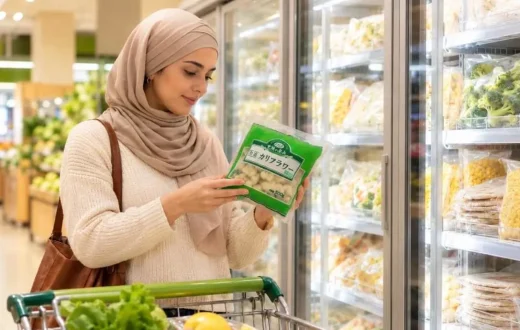
Frozen foods can make it easier to keep selected ingredients available without purchasing them immediately before every meal.
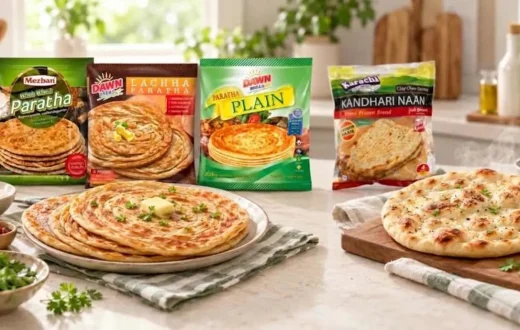
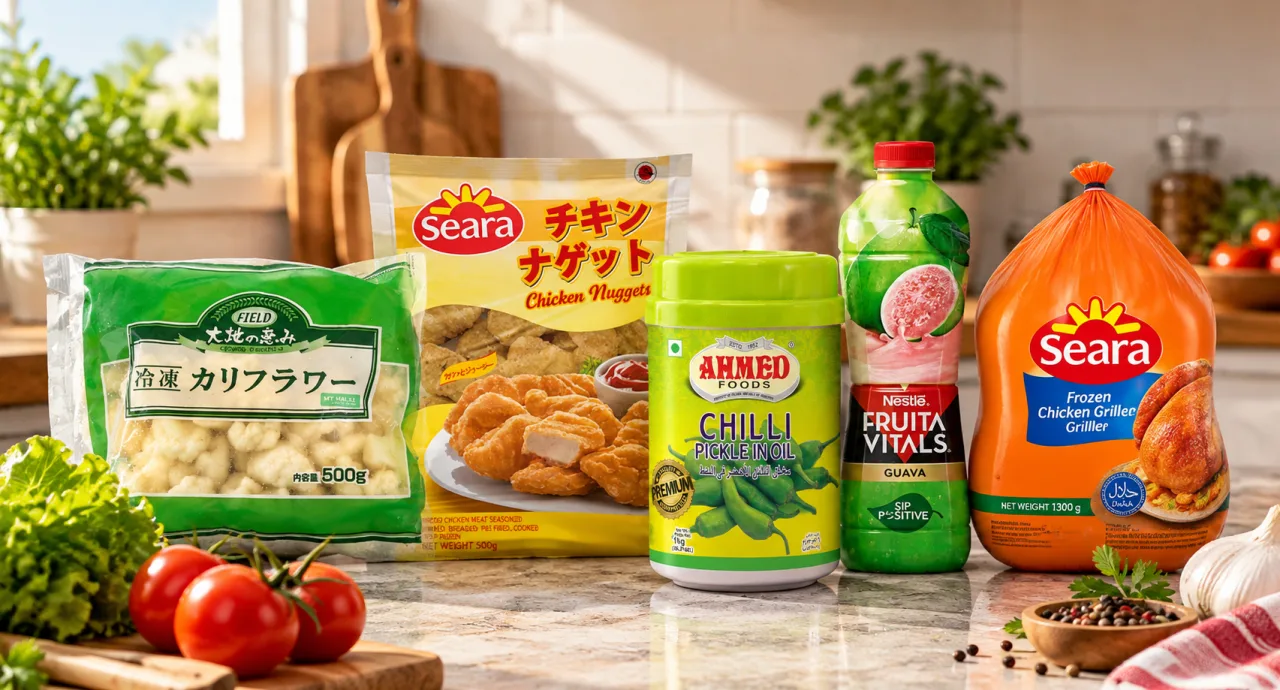
These foods may include raw meat, poultry, fish, vegetables, breads and prepared dishes.
Freezing slows microbial activity, but it does not make contaminated food safe or eliminate the need for proper cooking.
Different Types of Frozen Groceries
It is helpful to distinguish three product types.
Raw frozen ingredients: These may include uncooked chicken, beef, fish or vegetables. They generally need preparation and cooking.
Partially prepared foods: These may include certain frozen breads or products requiring additional heating or cooking.
Fully cooked frozen meals: These may be ready for reheating, but only when the manufacturer’s instructions identify them as fully cooked.
Do not assume that a frozen product has already been cooked simply because it looks prepared.
Buying Frozen Products in Japan
Before purchasing, check the label for storage temperature, preparation instructions and whether the food is raw or fully cooked.
For products containing meat, sauces or seasonings, verify the relevant halal information as well.
MT Halal Mart offers a Frozen Foods Collection where shoppers can explore listed products and review their current details.
Frozen products are particularly useful when they suit the household’s available freezer space and typical cooking schedule.
3. Shelf-Stable Groceries: Essential Pantry Ingredients
Shelf-stable foods are products designed to remain safe without refrigeration while unopened, provided they are stored according to their packaging instructions.
They are useful for households that want to keep basic cooking ingredients available between grocery purchases.
Common examples include:
- Uncooked rice
- Dried lentils and beans
- Plain flour
- Dried spices
- Unopened shelf-stable canned foods
- Certain cooking oils and packaged ingredients
Shelf-stable does not mean that food can be kept indefinitely or under any storage conditions.
How to Store Pantry Foods Properly
Dry goods should generally be kept in a clean, dry environment away from excessive heat and moisture.
After opening, some products benefit from airtight containers to reduce moisture exposure and contamination.
Check package instructions because storage needs can change after opening.
For example, an unopened shelf-stable sauce may be suitable for cupboard storage, while its label may require refrigeration after opening.
Rice and Lentils as Pantry Staples
Rice and dried lentils are especially useful because they can be combined with different fresh or frozen ingredients.
Basmati rice can accompany meat curries, vegetables and daal, while dried lentils provide options for soups and traditional South Asian meals.
MT Halal Mart’s Rice Collection includes rice products that shoppers can review according to variety, pack size and current availability.
4. Fresh vs Frozen vs Shelf-Stable: Which Should You Choose?
There is no single storage category that suits every household.
A person who cooks fresh meals every day may prioritize refrigerated ingredients. Someone who cooks less frequently may prefer selected frozen products, while pantry staples remain useful for both.
Choose According to Cooking Frequency
For frequent home cooking, fresh ingredients can be convenient when purchased in manageable quantities.
For occasional cooking, frozen meat or vegetables may help reduce the need for frequent shopping.
Shelf-stable ingredients are useful for meals that depend on rice, lentils, spices and other dry goods.
Consider Available Storage Space
Japanese homes and apartments can vary considerably in kitchen size and storage capacity.
A household with a small freezer may find large quantities of frozen food inconvenient.
Similarly, buying excessive fresh produce may lead to waste when refrigerator space is limited or ingredients cannot be used promptly.
The most practical shopping approach is to match quantities with storage capacity and expected consumption.
Consider Preparation Requirements
Fresh ingredients may require washing, cutting or cooking.
Some frozen foods need safe thawing, while others can be cooked directly from frozen according to their instructions.
Shelf-stable foods can also require considerable preparation. Dried beans, for example, may need soaking and thorough cooking.
Convenience therefore depends on the actual product, not simply its storage category.
5. Understanding Halal Requirements Across All Three Categories
Food storage and halal suitability are separate considerations.
A package labeled fresh, frozen or shelf-stable does not establish whether its ingredients and processing meet Islamic dietary requirements.
Fresh Meat and Poultry
For meat and poultry, check the relevant halal slaughter and sourcing information.
Frozen Prepared Foods
Frozen kebabs, snacks, breads and ready-made meals may contain additional ingredients. Verify meat sources, sauces, flavorings and other components where necessary.
Shelf-Stable Packaged Products
Plain rice and single-ingredient dried lentils are generally straightforward to evaluate.
However, packaged soups, sauces, seasoning mixes and snacks may contain animal-derived ingredients, gelatin or alcohol-related components requiring further examination.
Halal assessment should consider the complete product rather than relying on its storage method.
6. Safe Storage Practices for Groceries in Japan
Proper storage is important for both food safety and quality.
FoodSafety.gov recommends maintaining refrigerators at 4°C or below and freezers at -18°C or below.
Perishable foods should generally be refrigerated within two hours, or within one hour when exposed to temperatures above approximately 32°C.
Refrigerated Foods
Keep raw meat and poultry separated from ready-to-eat foods.
Use sealed containers or protective packaging to help prevent dripping and cross-contamination.
Frozen Foods
Keep frozen products at the required temperature and follow package instructions.
If a frozen product begins thawing during transport, assess its temperature and condition rather than automatically refreezing it.
Never leave raw meat on the kitchen counter to thaw.
Pantry Foods
Inspect cans and packaged foods for damage, moisture or signs of contamination.
Avoid using swollen, leaking or badly damaged canned products.
Remember that an unopened shelf-stable product may require refrigeration once opened.
These precautions apply to halal and non-halal foods alike.
7. How MT Halal Mart Supports Different Grocery Storage Needs
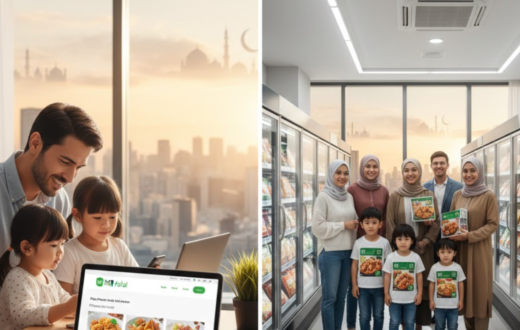
MT Halal Mart offers multiple grocery collections for customers shopping in Japan.
Rather than purchasing every ingredient in the same format, customers can browse different categories according to their cooking plans and storage requirements.
For example, the website includes Meat & Poultry, frozen foods, rice and other pantry-related collections.
When browsing, check the product’s actual storage requirements rather than assuming that all items within a category need identical handling.
For additional meal-preparation ideas, the existing article Quick Halal Weeknight Meals Using Frozen Grocery Ingredients in Japan explores cooking applications for frozen grocery products.
The important distinction is that storage suitability should be evaluated alongside ingredients, halal information and the household’s practical needs.
A Quick Checklist Before Choosing Grocery Formats
Before adding items to a grocery order, consider:
- Will the product be cooked soon or stored for later?
- Does it require refrigeration, freezing or dry storage?
- Is there sufficient storage space at home?
- Are the package and expiry information clear?
- Does the product contain any ingredients requiring halal verification?
- Are the preparation and handling instructions suitable for your kitchen?
These questions help customers avoid choosing products solely because they appear convenient.
Frequently Asked Questions
1. What is the difference between fresh and frozen halal food?
Fresh food is sold without being frozen, while frozen food is stored at low temperatures to preserve it. Both can be halal when their ingredients, sourcing and preparation meet the appropriate requirements.
2. Are frozen halal foods less nutritious than fresh foods?
Not necessarily. Nutritional differences depend on the food, processing and storage. Freezing can preserve many nutrients, while cooking and handling also affect nutritional value.
3. What are shelf-stable halal groceries?
Shelf-stable groceries are products that can be stored unopened without refrigeration under specified conditions. Examples include plain rice, dried lentils, flour and certain canned foods, provided their ingredients meet halal requirements.
4. Does frozen food always need thawing before cooking?
No. Some frozen foods can be cooked directly from frozen, while others require thawing. Always follow the product’s preparation instructions.
5. How should frozen halal meat be stored?
Keep frozen meat at the temperature specified on its packaging, generally -18°C or below for household freezer storage. Use suitable protective packaging and follow safe thawing practices.
6. Do all shelf-stable groceries remain safe after opening?
No. Some shelf-stable products require refrigeration after opening, and others have limited recommended storage periods. Follow the manufacturer’s instructions.
7. Can I order fresh, frozen and pantry groceries from MT Halal Mart?
MT Halal Mart lists several grocery categories, including meat and poultry, frozen foods, rice and pantry ingredients. Check individual listings for current availability, storage details and applicable delivery information.
Conclusion
Understanding fresh, frozen and shelf-stable groceries helps Muslim households make more informed food choices in Japan.
Fresh ingredients may suit immediate cooking, frozen options can support longer-term meal preparation, and shelf-stable groceries provide useful pantry essentials.
When selecting halal food in Japan, consider storage requirements, cooking needs, product ingredients and reliable halal information together.
Explore MT Halal Mart’s Online Store to compare available grocery categories and check current product details before ordering.
Editorial Verification: Recheck MT Halal product availability, storage instructions, ingredient information, halal certification where applicable, and destination URLs before publication. Cold-storage recommendations are based on general food-safety guidance and do not override product-specific handling instructions.