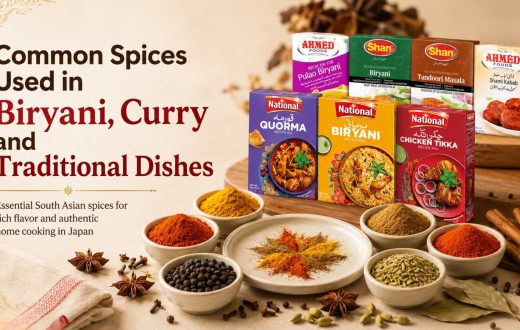
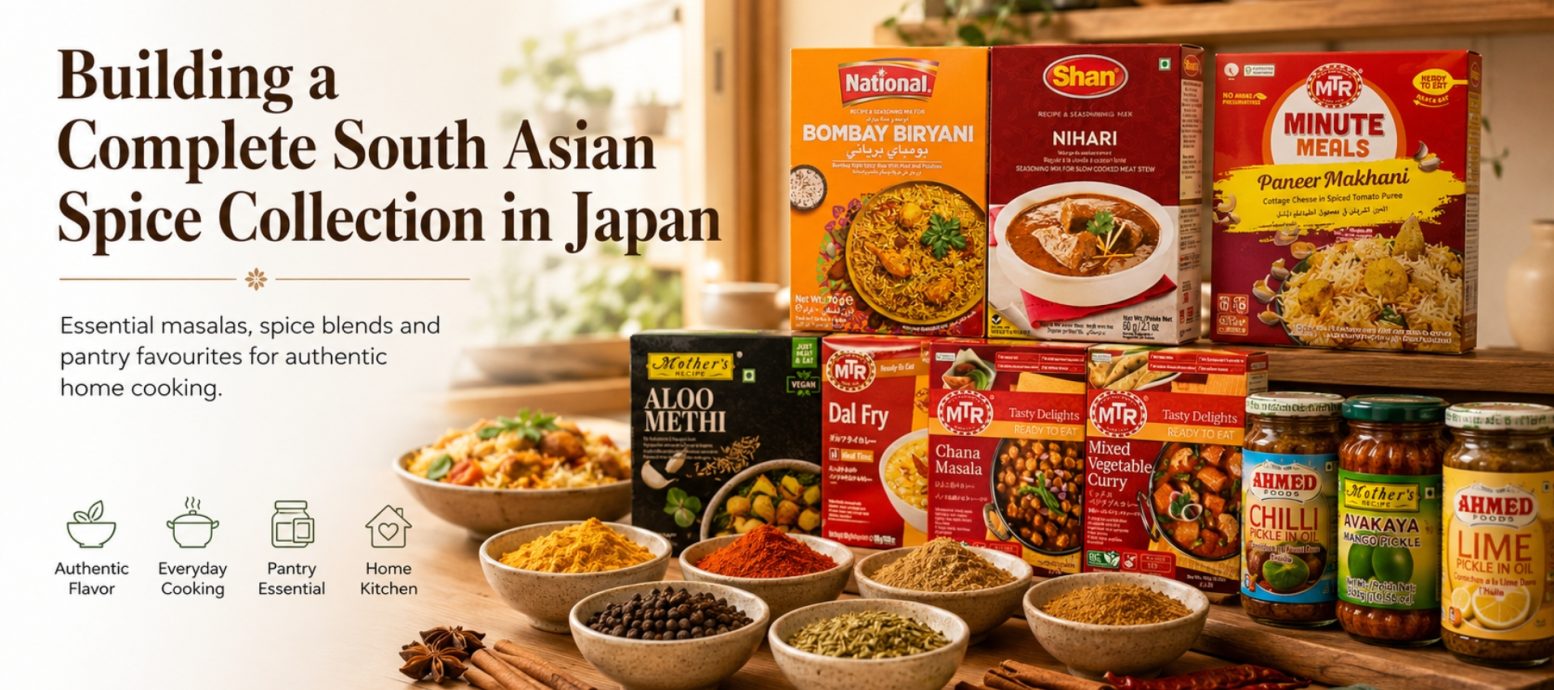
Building a South Asian kitchen while living in Japan can feel difficult at first. You may want to cook chicken curry, biryani, daal, chole, sambar, pulao, kebabs, or vegetable curry, but the nearby supermarket may only carry basic seasonings and Japanese curry products.
Traditional South Asian cooking needs more than one general curry powder. It often uses ground spices for the main masala, whole spices for tempering and rice, aromatic finishing spices, and recipe blends for regional dishes.
Creating a complete South Asian spice collection in Japan does not mean buying every spice at once. The best approach is to begin with versatile essentials, add whole spices, and then expand according to the Pakistani, Indian, Bangladeshi, Nepali, Sri Lankan, or regional meals you prepare most often.
MTHalal helps customers browse whole spices, ground seasonings, recipe masalas, rice, daal, halal meat, frozen foods, sauces, and pantry products through one online grocery platform.
Why a Well-Planned Spice Collection Matters
Spices are the foundation of many South Asian meals. They influence aroma, color, heat, warmth, earthiness, sweetness, and balance.
When the right spices are available at home, simple ingredients such as lentils, rice, chickpeas, potatoes, vegetables, or halal chicken can become many different meals.
A Complete Spice Collection Helps You
It can help you:
- Cook familiar food more regularly
- Reduce dependence on takeaway meals
- Prepare Pakistani and Indian dishes
- Make daal, curry, rice, and vegetables taste more complete
- Adjust chilli and salt according to family preference
- Follow traditional family recipes
- Prepare Ramadan and Eid meals
- Save time during weekday cooking
- Avoid repeated spice shopping
- Create different meals from basic groceries
The goal is not to fill the cupboard with unused packets. The goal is to build a practical collection that matches your cooking routine.
Start With the Core Ground Spices
Ground spices form the main base of many curries, daal dishes, vegetable recipes, and marinades.
These are the best spices to buy first because they can be used across several South Asian cuisines.
1. Turmeric Powder
Turmeric adds a warm golden color and mild earthy flavor.
It is used in:
- Daal
- Chicken curry
- Vegetable curry
- Chole
- Sambar
- Fish dishes
- Rice
- Marinades
- Soups
Only a small amount is usually needed. Too much turmeric can make food taste bitter.
2. Red Chilli Powder
Red chilli powder adds heat and color.
Different products may have different strength levels, so start carefully.
It works in:
- Curry
- Daal
- Biryani
- Karahi
- Chole
- Rajma
- Sambar
- Kebabs
- Marinades
- Chutneys
Families cooking for children may use less chilli while keeping the other spices unchanged.
3. Coriander Powder
Coriander powder adds warmth and balance. It is one of the most useful spices for curry bases.
Use it in:
- Chicken curry
- Meat curry
- Vegetable dishes
- Chole
- Rajma
- Daal
- Paneer curry
- Kebabs
- Marinades
It helps balance the sharper taste of chilli and cumin.
4. Cumin Powder
Ground cumin adds a warm, nutty taste and blends easily into many dishes.
Use it for:
- Curry
- Daal
- Chole
- Rajma
- Raita
- Kebabs
- Marinades
- Grilled chicken
- Chaat
- Rice dishes
Roasted cumin powder is especially useful for raita, chaat, and cold dishes.
5. Garam Masala
Garam masala is a warming finishing blend. It may contain cardamom, cinnamon, cloves, cumin, coriander, and black pepper.
It works well in:
- Chicken curry
- Meat curry
- Daal
- Chole
- Rajma
- Biryani
- Pulao
- Keema
- Vegetable curry
Add a small amount near the end of cooking so the aroma remains noticeable.
6. Ground Black Pepper
Black pepper adds sharp warmth without the same heat as red chilli.
Use it in:
- Soup
- Grilled food
- Kebabs
- Fried rice
- Pulao
- Marinades
- Eggs
- White curry
- Rasam
- Light meals
These six ground spices create a strong starting point for most South Asian kitchens.
Add Essential Whole Spices
Whole spices create aroma when heated in oil or added to rice, stock, tea, and slow-cooked dishes.
They usually keep their fragrance longer than ground spices when stored correctly.
7. Cumin Seeds
Cumin seeds are useful for tempering and rice.
Use them in:
- Daal tadka
- Jeera rice
- Pulao
- Vegetable curry
- Chana
- Raita
- Pickles
- Aloo dishes
Heat them carefully in oil until they release their aroma, but do not burn them.
8. Green Cardamom
Green cardamom has a sweet and fragrant aroma.
Use it for:
- Masala chai
- Biryani
- Pulao
- Kheer
- Desserts
- Sweet rice
- Curry
- Garam masala
Keep it sealed because cardamom can lose fragrance after long exposure to air.
9. Black Cardamom
Black cardamom has a stronger, smoky character.
It is useful for:
- Meat curry
- Beef or mutton pulao
- Daal makhani
- Yakhni
- Nihari
- Slow-cooked dishes
Use it carefully because one pod can strongly affect the dish.
10. Cloves
Cloves are warm, strong, and slightly sweet.
They are used in:
- Biryani
- Pulao
- Chai
- Garam masala
- Meat curry
- Desserts
- Pickles
Only a few cloves are usually needed.
11. Cinnamon
Whole cinnamon adds soft sweetness and warmth.
Use it in:
- Biryani
- Pulao
- Chai
- Curry
- Desserts
- Yakhni
- Garam masala
A small piece is usually enough.
12. Bay Leaves
Bay leaves add a mild background aroma.
They work well in:
- Biryani
- Pulao
- Daal
- Chole
- Rajma
- Meat curry
- Rice dishes
Remove them before serving.
13. Whole Black Pepper
Whole peppercorns are useful for:
- Pulao
- Yakhni
- Soup
- Meat curry
- Garam masala
- Pickles
- Slow cooking
They can also be freshly ground for stronger aroma.
Add Tempering and Regional Seeds
Once the basic collection is ready, add seeds used in regional dishes, daal, vegetables, pickles, breads, and snacks.
14. Mustard Seeds
Mustard seeds are important in South Indian, Gujarati, Bengali, and regional cooking.
Use them in:
- Sambar
- Daal tempering
- Vegetable dishes
- Pickles
- Lemon rice
- Poha
- Upma
- Coconut chutney
Allow the seeds to pop in hot oil before adding other ingredients.
15. Fenugreek Seeds
Fenugreek seeds have a strong and slightly bitter taste.
They work in:
- Sambar
- Pickles
- Daal
- Vegetable curry
- Regional fish dishes
- Spice blends
Use them sparingly.
16. Fennel Seeds
Fennel has a mild sweet aroma.
Use it in:
- Regional meat dishes
- Kashmiri-style recipes
- Pickles
- Tea
- Garam masala
- Digestive mixes
17. Carom Seeds
Carom seeds, or ajwain, have a strong aroma and are useful for breads and snacks.
Use them in:
- Paratha
- Pakora
- Samosa pastry
- Puri
- Daal
- Fried snacks
18. Dried Red Chillies
Whole dried chillies are often used in tempering.
They work well in:
- Daal tadka
- Sambar
- Chutney
- Pickles
- Vegetable dishes
- Bengali and South Indian recipes
These seeds and whole spices help expand the collection beyond basic curry cooking.
Add Aromatic Leaves and Finishing Spices
Some spices are added near the end of cooking or used for specific regional flavors.
19. Dried Fenugreek Leaves
Kasuri methi gives a warm, slightly bitter aroma.
Use it in:
- Paneer curry
- Chicken curry
- Keema
- Creamy gravies
- Daal
- Marinades
- Vegetable curry
Crush it between your palms before adding.
20. Curry Leaves
Curry leaves are especially important for South Indian cooking.
They are used in:
- Sambar
- Rasam
- Lemon rice
- Poha
- Upma
- Daal
- Coconut chutney
- Vegetable curry
Fresh leaves may be difficult to find in some areas of Japan. Frozen or dried alternatives may be easier to store, although the aroma can differ.
21. Asafoetida
Asafoetida, or hing, is used in very small amounts.
It is helpful for:
- Daal
- Sambar
- Rasam
- Chana
- Potato dishes
- Vegetable curry
- Pickles
Commercial products may contain flour or other carriers, so check the ingredient list when allergies or dietary concerns apply.
Add Tangy and Snack Masalas
South Asian cooking also includes chaat, snacks, drinks, raita, fruit, and street-food-style dishes.
22. Chaat Masala
Chaat masala adds tanginess and saltiness.
Use it for:
- Fruit chaat
- Chana chaat
- Pakora
- Fries
- Raita
- Dahi dishes
- Salads
- Grilled food
- Boiled eggs
It may already contain salt, so taste the food before adding more.
23. Jal Jeera Masala
Jal jeera masala is used for tangy drinks and snack recipes.
It can be used in:
- Jal jeera
- Pani puri water
- Chaat
- Summer drinks
- Snack seasoning
24. Amchur Powder
Amchur is dried mango powder. It adds sourness without liquid.
Use it in:
- Chaat
- Potato dishes
- Chana
- Vegetable curry
- Marinades
- Stuffed paratha
- Dry sabzi
25. Black Salt
Black salt has a strong mineral aroma and is commonly used in:
- Chaat
- Raita
- Fruit
- Jal jeera
- Salads
- Chutneys
- Snacks
Use it carefully because the flavor is strong.
Add Recipe Masala Blends
Recipe blends make traditional cooking easier, particularly for beginners, students, and busy families.
They combine several spices for a specific dish.
Essential Rice Blends
Useful rice masalas include:
- Chicken biryani masala
- Mutton biryani masala
- Bombay biryani masala
- Sindhi biryani masala
- Pulao biryani masala
- Fish biryani masala
Buy according to the type of biryani you actually prepare.
Essential Curry Blends
Useful curry mixes may include:
- Chicken masala
- Meat masala
- Karahi masala
- Curry masala
- Tikka masala
- Butter-style curry masala
- Korma masala
Essential Kebab Blends
For kebabs and grilled meals, consider:
- Seekh kebab masala
- Shami kebab masala
- Chapli kebab masala
- Bihari kebab masala
- Tandoori masala
Essential Regional Blends
Depending on your cooking style, add:
- Sambar masala
- Rasam powder
- Panch phoron
- Chole masala
- Rajma masala
- Pav bhaji masala
- Nihari masala
- Haleem masala
Recipe blends are useful, but check their salt and chilli levels before adding extra seasoning.
Build the Collection in Three Stages
Buying everything at once can be expensive and may lead to unused products.
A staged approach is more practical.
Stage 1: Beginner Collection
Start with:
- Turmeric
- Red chilli powder
- Coriander powder
- Cumin seeds
- Cumin powder
- Garam masala
- Black pepper
- Cardamom
- Cloves
- Cinnamon
- Bay leaves
- One biryani masala
- One curry masala
This supports daal, curry, rice, chicken, vegetables, and simple biryani.
Stage 2: Expanded Collection
Add:
- Mustard seeds
- Fenugreek seeds
- Dried red chillies
- Kasuri methi
- Ajwain
- Fennel seeds
- Chaat masala
- Sambar masala
- Kebab masala
This expands your cooking into regional dishes, breads, snacks, and grilled foods.
Stage 3: Complete Collection
Add spices according to your household’s cooking traditions:
- Curry leaves
- Hing
- Amchur
- Black salt
- Jal jeera masala
- Rasam powder
- Panch phoron
- Regional biryani mixes
- Nihari or haleem masala
- Pickling spices
A complete collection should reflect the meals you cook, not every spice available in the store.
Build According to Cuisine
South Asian cuisine includes many regional styles. The collection should match your household.
Pakistani Cooking Collection
For Pakistani meals, prioritize:
- Red chilli
- Turmeric
- Coriander
- Cumin
- Garam masala
- Cardamom
- Cloves
- Cinnamon
- Bay leaves
- Biryani masala
- Chicken masala
- Meat masala
- Kebab masala
- Chaat masala
North Indian Cooking Collection
For North Indian food, add:
- Cumin
- Coriander
- Turmeric
- Chilli
- Garam masala
- Kasuri methi
- Chaat masala
- Amchur
- Cardamom
- Cloves
- Cinnamon
- Chole masala
- Rajma masala
South Indian Cooking Collection
For South Indian meals, prioritize:
- Mustard seeds
- Cumin
- Fenugreek
- Dried red chillies
- Curry leaves
- Hing
- Black pepper
- Turmeric
- Sambar masala
- Rasam powder
Bangladeshi Cooking Collection
Useful spices include:
- Turmeric
- Chilli
- Cumin
- Coriander
- Mustard seeds
- Garam masala
- Bay leaves
- Cardamom
- Cloves
- Cinnamon
- Panch phoron
Sri Lankan Cooking Collection
Depending on the dishes, useful items may include:
- Curry powder
- Roasted curry powder
- Chilli
- Turmeric
- Black pepper
- Cinnamon
- Cardamom
- Cloves
- Mustard seeds
- Fenugreek
- Curry leaves
Build According to Household Size
The quantity should match the number of people and cooking frequency.
Students and Single Residents
Choose smaller packets of:
- Core ground spices
- Cumin seeds
- Garam masala
- One curry blend
- One biryani blend
- Chaat masala
Families
Families may need:
- Larger packs of frequently used spices
- More whole spices
- Several recipe blends
- Regional masalas
- Ramadan and Eid stock
Avoid large packs of spices that are only used occasionally.
Choose Pack Sizes Carefully
A large pack may appear economical, but spices lose aroma after opening.
Buy Smaller Packs When
Choose smaller quantities if:
- You are testing a new spice
- You cook occasionally
- The spice is used rarely
- Cupboard space is limited
- You live alone
Buy Larger Packs When
Larger quantities can work when:
- You cook daily
- The family is large
- The spice is used frequently
- You have airtight containers
- You can finish it before the aroma fades
Value depends on actual use, not only price per gram.
Check Labels Before Buying
Before ordering any spice, review:
- Correct spice name
- Whole or ground form
- Brand
- Weight
- Ingredients
- Salt content
- Chilli level
- Allergens
- Manufacturing information where shown
- Expiry date
- Country of origin where shown
- Storage advice
For masala blends, make sure the product matches the exact recipe.
Organize Spices by Type
A clear system makes daily cooking faster.
Everyday Ground Spices
Keep together:
- Turmeric
- Red chilli
- Coriander
- Cumin powder
- Garam masala
- Black pepper
Whole Spices
Keep together:
- Cumin seeds
- Cardamom
- Cloves
- Cinnamon
- Bay leaves
- Peppercorns
- Mustard seeds
- Fenugreek seeds
Regional Spices
Keep together:
- Hing
- Curry leaves
- Panch phoron
- Kasuri methi
- Ajwain
- Amchur
Recipe Masalas
Keep together:
- Biryani masalas
- Curry blends
- Kebab blends
- Sambar masala
- Chaat masala
- Nihari or haleem mixes
This system reduces time spent searching during cooking.
Store the Collection Properly
Spices need protection from moisture, heat, sunlight, and air.
Storage Rules
Store spices:
- In airtight containers
- In a cool, dry cupboard
- Away from the stove
- Away from direct sunlight
- Away from steam
- Away from wet spoons
- With clear labels
- With opening dates where useful
Whole spices usually keep their aroma longer than ground spices.
Create a Restocking Routine
A complete collection still needs regular checking.
Monthly Spice Check
Once a month:
- Check low-stock containers
- Review expiry dates
- Smell older spices
- Remove empty packets
- Note missing essentials
- Avoid duplicate purchases
- Refill only what is regularly used
This keeps the collection fresh and practical.
Plan Spices Around Weekly Meals
Your meal plan can guide the collection.
Example Week
Monday: Chicken curry
Needs chilli, turmeric, coriander, cumin, and garam masala.
Tuesday: Daal tadka
Needs turmeric, cumin seeds, dried chilli, and garlic.
Wednesday: Chole
Needs cumin, coriander, chilli, garam masala, or chole masala.
Thursday: Vegetable curry
Needs mustard or cumin seeds, turmeric, coriander, and chilli.
Friday: Grilled chicken
Needs cumin, coriander, black pepper, chilli, and a marinade blend.
Saturday: Biryani
Needs whole spices and biryani masala.
Sunday: Chaat or snacks
Needs chaat masala, cumin, and black salt.
This shows how a focused collection supports a full week of meals.
Prepare for Ramadan and Eid
Ramadan and Eid often require more spices than regular weeks.
Check Early
Review your supply of:
- Biryani masala
- Kebab masala
- Chaat masala
- Whole spices
- Red chilli
- Turmeric
- Coriander
- Cumin
- Garam masala
- Cardamom
- Cloves
- Cinnamon
Ordering early helps avoid missing an important ingredient during busy cooking days.
Buy Meal Ingredients With the Spices
A complete spice collection is most useful when the main groceries are also available.
Add to the Order
Depending on your meals, consider:
- Halal chicken
- Beef or mutton
- Basmati rice
- Daal and lentils
- Chickpeas
- Beans
- Flour or atta
- Cooking oil or ghee
- Frozen paratha or naan
- Ginger garlic paste
- Pickles
- Chutneys
- Sauces
- Tea and snacks
Buying related products together makes meal planning easier.
How MTHalal Helps Build a South Asian Spice Collection
MTHalal offers a wide Masala & Spices range with whole spices, ground seasonings, and recipe blends. Its current store includes products such as cumin, black pepper, cloves, chilli powder, biryani masalas, curry mixes, and regional recipe spices, subject to stock.
Customers can also browse halal meat, rice, daal, cooking oil, flour, sauces, pickles, frozen foods, and other pantry products.
MTHalal Supports Spice Shopping With
- Whole spices
- Ground spices
- Pakistani masalas
- Indian masalas
- Biryani blends
- Curry mixes
- Kebab masalas
- Regional spice products
- Related grocery categories
- Online ordering
- Delivery across Japan
Customers should check the live product pages for current ingredients, brands, pack sizes, prices, stock, and delivery terms.
Complete South Asian Spice Checklist
Core Ground Spices
- Turmeric
- Red chilli powder
- Coriander powder
- Cumin powder
- Garam masala
- Ground black pepper
Essential Whole Spices
- Cumin seeds
- Green cardamom
- Black cardamom
- Cloves
- Cinnamon
- Bay leaves
- Black peppercorns
Tempering and Regional Spices
- Mustard seeds
- Fenugreek seeds
- Fennel seeds
- Ajwain
- Dried red chillies
- Kasuri methi
- Curry leaves
- Hing
Tangy and Snack Spices
- Chaat masala
- Amchur
- Black salt
- Jal jeera masala
Recipe Blends
- Biryani masala
- Chicken masala
- Meat masala
- Kebab masala
- Sambar masala
- Rasam powder
- Chole masala
- Regional curry blends
This checklist can be adjusted according to your cuisine and household size.
Internal Link Suggestion
[Internal Link Suggestion: Browse Masala & Spices on MTHalal]
FAQs
1. What spices are needed for a basic South Asian kitchen?
Start with turmeric, red chilli powder, coriander powder, cumin, garam masala, black pepper, cardamom, cloves, cinnamon, and bay leaves.
2. Should I buy all South Asian spices at once?
No. Begin with versatile essentials, then add whole spices, regional ingredients, and recipe blends according to the meals you cook regularly.
3. Is it better to buy whole or ground spices?
Both are useful. Whole spices work well for tempering, rice, and slow cooking, while ground spices are convenient for curry, daal, marinades, and everyday meals.
4. How should I store a large spice collection?
Use airtight, clearly labelled containers in a cool, dry cupboard away from sunlight, steam, heat, and moisture.
5. Where can I buy South Asian spices in Japan?
Customers can check specialist South Asian stores, halal grocery shops, international supermarkets, and online platforms such as MTHalal.
Final Thought
Building a complete South Asian spice collection in Japan is easier when you take a gradual and practical approach. Begin with versatile ground spices, add aromatic whole spices, and then choose regional masalas according to the Pakistani, Indian, Bangladeshi, Nepali, Sri Lankan, or family recipes you prepare most often.
MTHalal helps customers browse whole spices, ground seasonings, recipe blends, halal meat, rice, daal, and other traditional grocery essentials through one online platform. With careful buying, clear organisation, and proper storage, your spice collection can support comforting and authentic home cooking throughout the year.