How Halal Certification Works in Japan According to MT Halal
For Muslims living in or visiting Japan, understanding halal certification is essential for making informed food choices. While Japan has a growing halal market, not all products or restaurants claiming to be halal are genuinely compliant with Islamic dietary laws. MT Halal provides clarity on how halal certification works in Japan and ensures that Muslims can access truly halal products with confidence.
The Basics of Halal Certification in Japan
Halal certification is a formal process in which food products, restaurants, or manufacturers are evaluated and approved by recognized halal authorities. In Japan, the certification process ensures that the food meets the following criteria:
- Permissible Ingredients: No pork, alcohol, or other haram substances are used in the product.
- Proper Slaughtering: Meat must come from animals slaughtered according to Islamic guidelines, including a humane process and invocation of Allah’s name.
- Hygiene and Cross-Contamination: Facilities must maintain clean environments, separate storage, and cooking processes to prevent contamination with non-halal products.
- Ingredient Verification: All additives, flavorings, and processing agents are checked to ensure they are halal-compliant.
How MT Halal Ensures Halal Certification
1. Partnering With Verified Suppliers
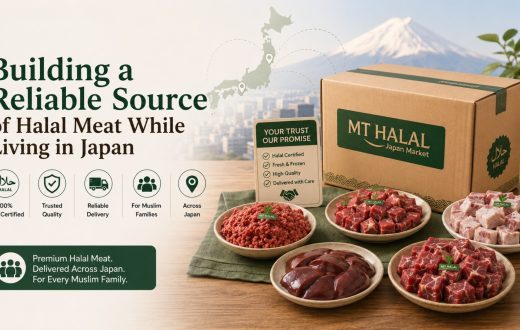
MT Halal works exclusively with suppliers who hold valid halal certification from recognized authorities in Japan or internationally. This ensures that all meats, poultry, and processed foods meet strict halal standards.
2. Clear Labeling and Transparency
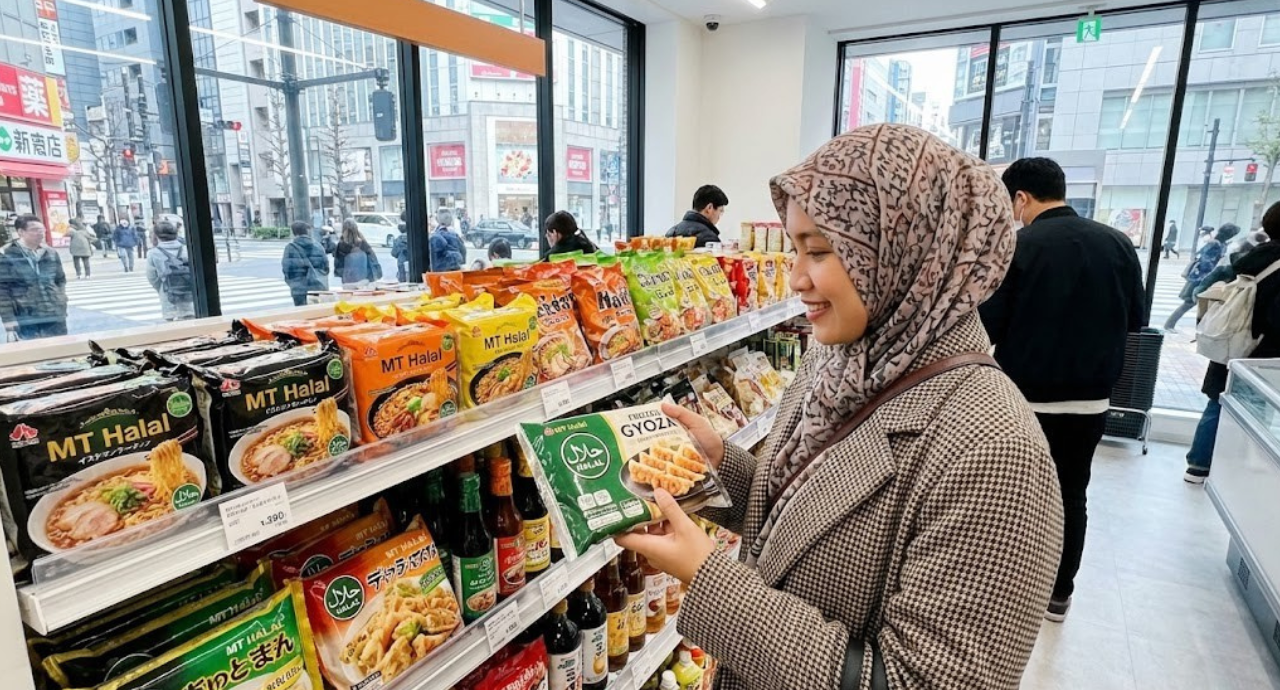
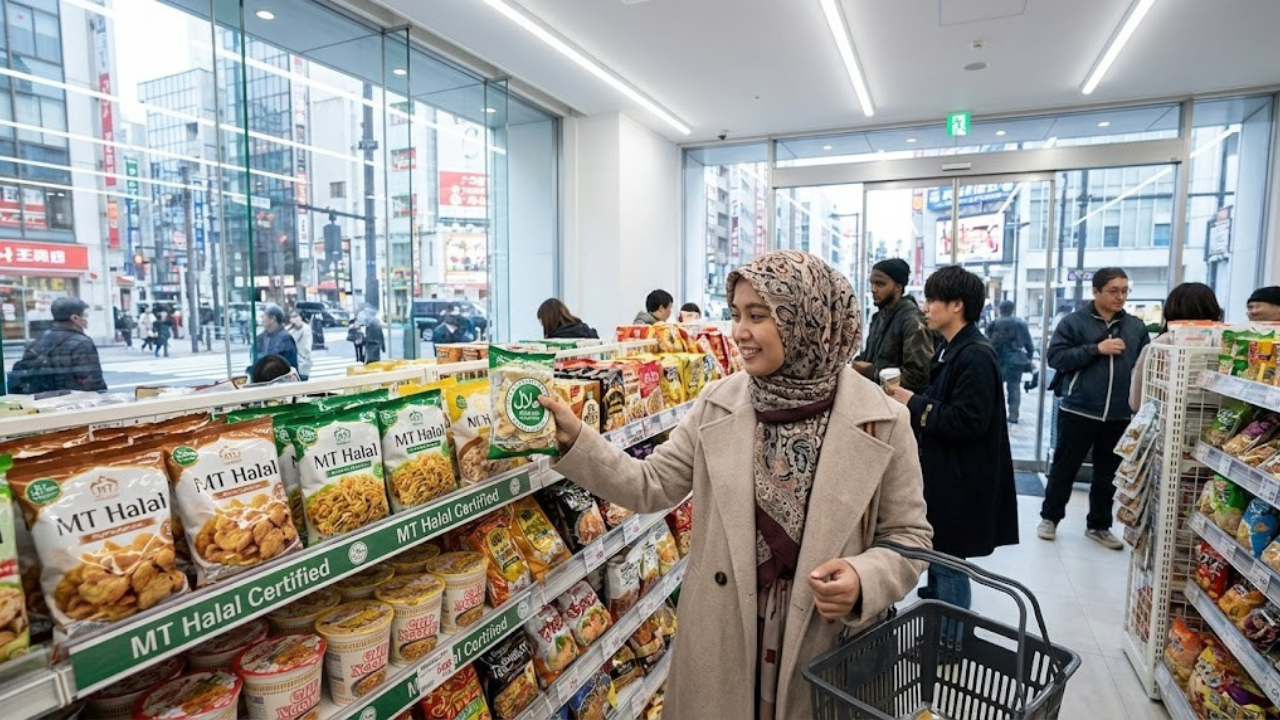
Each product from MT Halal displays the halal certification authority, certification number, and ingredients. This transparency allows consumers to verify compliance easily and trust the product.
3. Regular Compliance Checks
MT Halal performs routine checks with suppliers to ensure ongoing compliance with halal standards. This includes verifying slaughter methods, ingredient sourcing, and production processes.
4. Education and Guidance
MT Halal also educates customers about the differences between certified halal and “Muslim friendly” food, helping them make informed choices when dining out or buying groceries in Japan.
Why Halal Certification Matters
- Assurance of Compliance: Certified halal products guarantee adherence to Islamic dietary laws, avoiding accidental consumption of haram items.
- Trust and Safety: Verified certification reduces the risk of contamination or mislabeling.
- Ease of Meal Planning: Knowing which products are certified halal simplifies cooking and meal preparation, especially for students, families, or travelers.
- Peace of Mind: Consumers can enjoy their meals confidently, whether at home or on the go.
Tips for Verifying Halal Certification in Japan
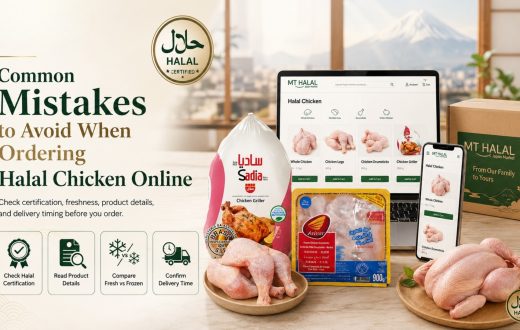
- Check for the official halal logo or certification number on product packaging.
- Review the name of the certifying authority; reputable authorities are recognized internationally or within Japan.
- Verify ingredients for any hidden haram substances such as alcohol or gelatin.
- When in doubt, rely on MT Halal’s verified products for guaranteed halal compliance.
- Educate yourself on the difference between halal-certified and Muslim-friendly products.
Conclusion
Halal certification in Japan is a crucial process that ensures food products comply with Islamic dietary laws. With MT Halal, Muslims can access certified halal groceries, meats, and ready-to-cook meals with complete confidence. By partnering with verified suppliers, providing clear labeling, and educating consumers, MT Halal makes it easy to understand and trust halal certification in Japan. Whether living, studying, or traveling in Japan, MT Halal ensures that halal living is safe, convenient, and reliable.