Why Halal Certification Is Important for Muslims Living in Japan
For Muslims living in Japan, adhering to a halal diet is a key aspect of daily life and spiritual practice. However, finding genuinely halal food in Japan can be challenging due to limited halal-certified restaurants, unclear labeling, and the prevalence of non-halal ingredients in many food products. This is why halal certification is crucial, providing Muslims with the assurance that the food they consume complies with Islamic dietary laws.
The Significance of Halal Certification
Halal certification acts as a verified assurance that a food product, restaurant, or supplier meets strict Islamic dietary requirements. In Japan, certification is particularly important for several reasons:
- Clear Identification: With most product labels in Japanese and many restaurants lacking formal halal verification, certification helps Muslims easily identify halal-compliant foods.
- Trust and Transparency: Certification ensures that food is free from prohibited ingredients such as pork, alcohol, and non-halal meat derivatives.
- Consistent Quality: Halal-certified products undergo strict checks, including hygiene standards and proper slaughter methods for meat, providing peace of mind about quality and safety.
- Ease of Meal Planning: Residents can plan meals at home, cook, and shop confidently without worrying about hidden haram ingredients.
Challenges Without Halal Certification
- Ambiguity in “Muslim friendly” or vegetarian-labeled options that may still contain haram ingredients.
- Risk of consuming hidden alcohol, gelatin, or cross-contaminated foods.
- Difficulty in maintaining a consistent halal diet when living in areas with few halal restaurants or grocery stores.
- Increased stress and time spent checking ingredients and seeking trustworthy suppliers.
How MT Halal Supports Muslims With Certified Products
1. Verified Halal Suppliers
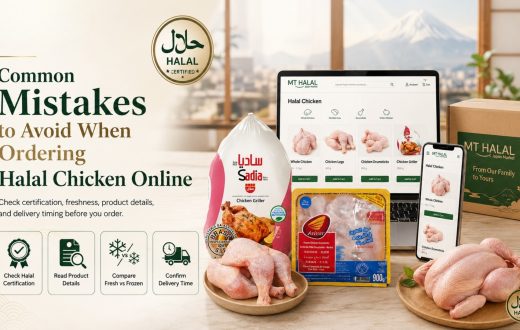
MT Halal works only with suppliers who hold recognized halal certification, ensuring all products meet Islamic dietary laws.
2. Clear Certification Labels
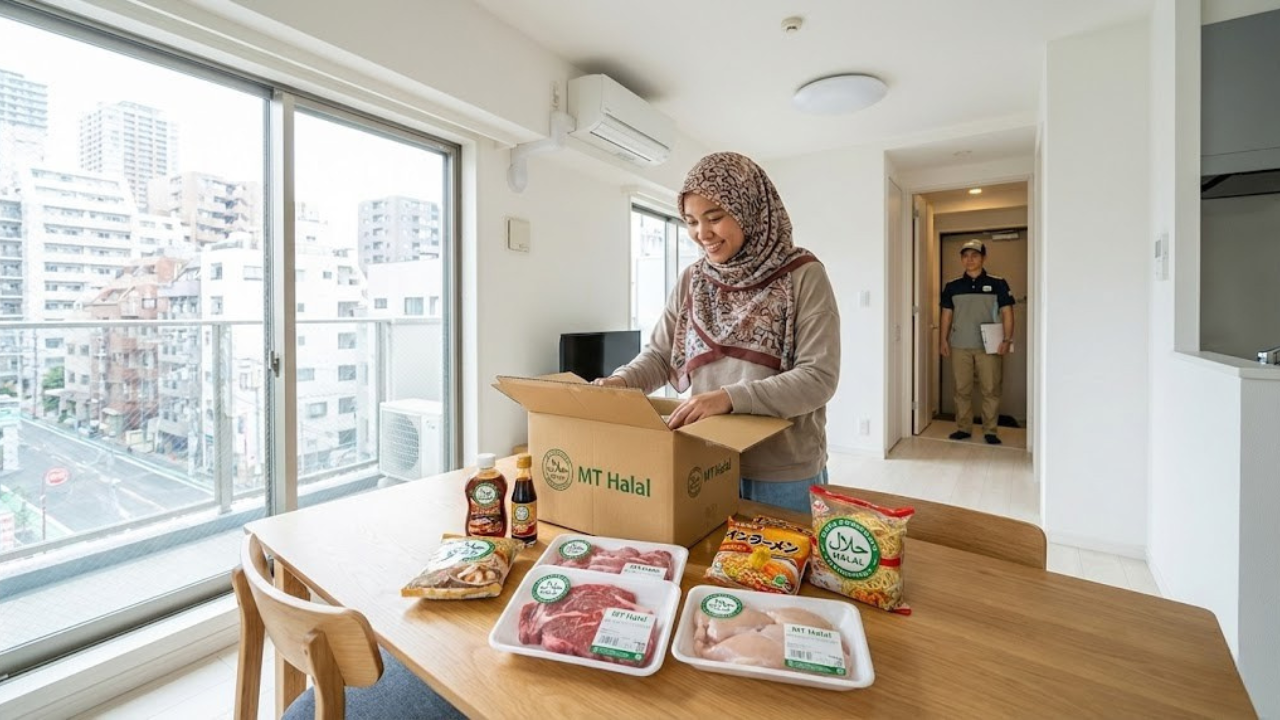
Each item on MT Halal displays the halal authority and certification number, allowing consumers to verify authenticity easily.
3. Nationwide Delivery
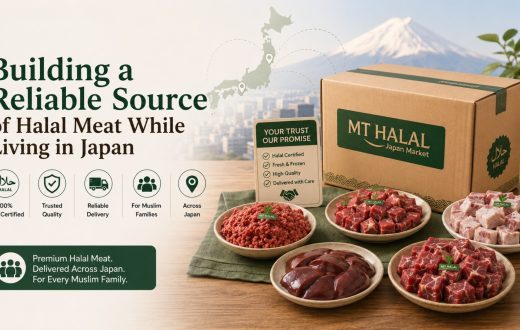
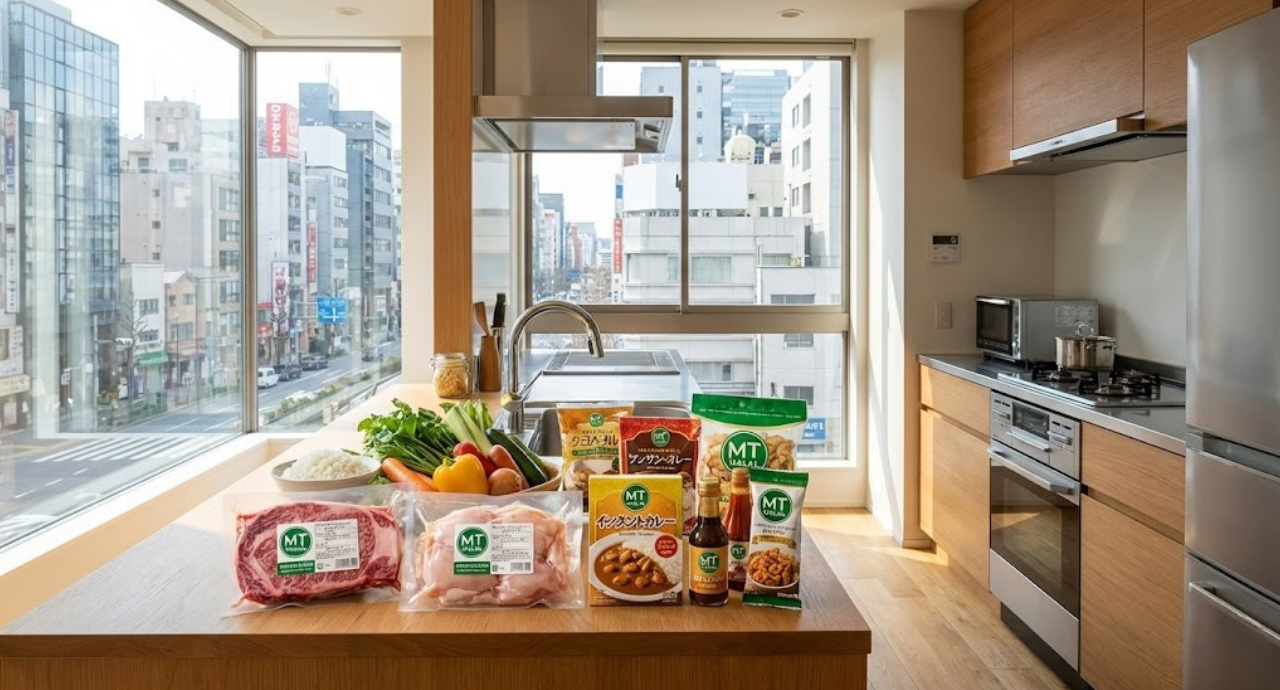
From Tokyo and Osaka to smaller towns, MT Halal delivers certified halal products directly to your doorstep, making it easy to maintain a halal diet regardless of location.
4. Ready-to-Cook and Frozen Meals
For busy Muslims, MT Halal provides frozen and ready-to-cook meals, combining convenience with halal compliance.
5. Educational Resources
MT Halal educates customers about the importance of halal certification and the difference between halal and “Muslim friendly” options, helping residents make informed food choices.
Benefits of Halal Certification for Muslims in Japan
- Peace of Mind: Confidence that every meal adheres to Islamic dietary laws.
- Convenience: Easier meal planning and grocery shopping without constant verification of ingredients.
- Safety: Assurance of hygienic preparation and proper sourcing of meat products.
- Community Support: Access to trusted halal products through platforms like MT Halal connects Muslims to a reliable food network.
- Dietary Consistency: Enables residents to maintain their halal lifestyle confidently, even in a non-Muslim majority country.
Conclusion
Halal certification is essential for Muslims living in Japan as it ensures food safety, quality, and compliance with Islamic dietary laws. Without certification, Muslims may face uncertainty about the ingredients and preparation of the foods they consume. Platforms like MT Halal make halal living in Japan easier and safer by providing certified halal groceries, ready-to-cook meals, and educational guidance. With halal certification, Muslims can confidently maintain their dietary principles and enjoy a hassle-free halal lifestyle while living in Japan.