
What the Future of Halal Food in Japan Looks Like According to MT Halal
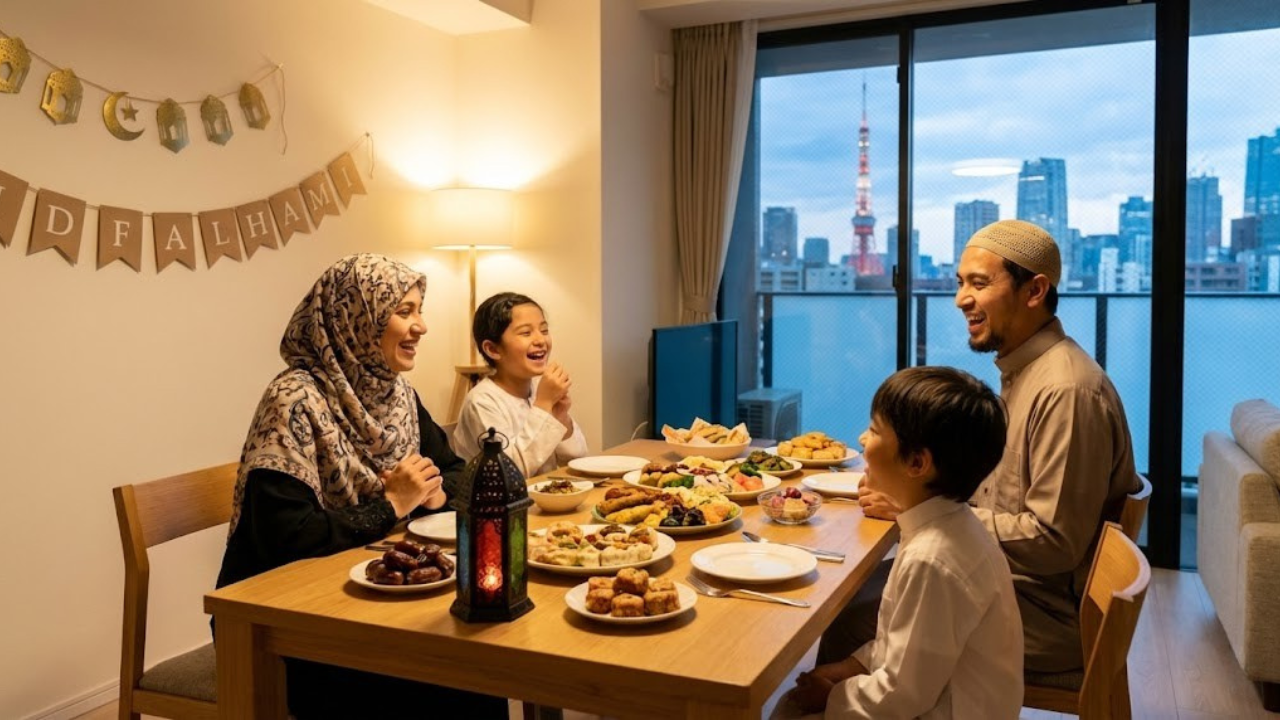
Japan has been experiencing a growing interest in halal food over the past decade, driven by an increasing number of Muslim residents, tourists, and international students. As the market expands, the landscape of halal food in Japan is evolving rapidly. According to MT Halal, the future of halal food in Japan is promising, with more options, better accessibility, and greater awareness among both businesses and consumers.
Current Trends in Halal Food in Japan
- Rising Demand: With more Muslim travelers and residents, the demand for certified halal products and restaurants is growing steadily.
- Halal-Certified Restaurants: More Japanese eateries are seeking halal certification to attract Muslim customers.
- Expansion of Online Halal Stores: Platforms like MT Halal are bridging the gap between supply and demand, offering convenient access to groceries and ready-to-cook meals.
- Educational Efforts: Awareness campaigns and resources are helping Japanese businesses understand halal requirements and the importance of proper certification.
Predictions for the Future of Halal Food in Japan
1. More Halal-Certified Products in Supermarkets
MT Halal anticipates that mainstream Japanese supermarkets will increasingly stock halal-certified meats, snacks, and beverages, making it easier for residents and tourists to maintain a halal diet without relying solely on specialized stores.
2. Growth of Halal Restaurants and Cafes
The number of fully halal-certified restaurants is expected to grow in major cities like Tokyo, Osaka, and Kyoto, offering diverse cuisines and catering to both domestic and international Muslim clientele.
3. Expansion of Online Halal Marketplaces
Online platforms like MT Halal will continue to play a vital role, delivering halal groceries and ready-to-cook meals nationwide, especially to areas with limited halal options.
4. Integration of Halal Awareness in Tourism
As Japan aims to attract more Muslim tourists, airports, hotels, and tourist attractions will likely offer halal-certified food options, prayer facilities, and educational signage to create a Muslim-friendly environment.
5. Collaboration With International Halal Authorities
Japanese suppliers are increasingly collaborating with recognized international halal authorities to ensure their products meet global halal standards, fostering trust and expanding export opportunities.
Role of MT Halal in Shaping the Future
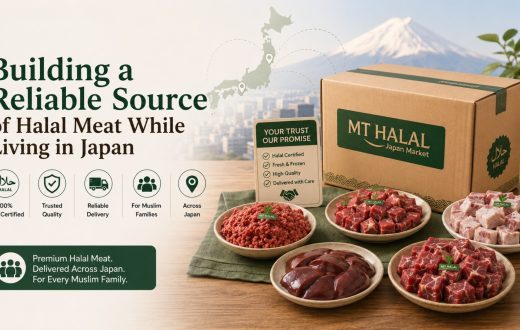
- Reliable Source: MT Halal continues to provide certified halal products to meet the growing demand across Japan.
- Education and Awareness: MT Halal educates both consumers and local businesses about halal requirements and best practices.
- Accessibility: Nationwide delivery and online ordering make halal food available even in regions with few halal stores.
- Community Engagement: MT Halal connects Muslims in Japan, helping share information, recommendations, and trusted suppliers.
- Innovation: MT Halal is exploring ready-to-cook meals, frozen foods, and convenient halal solutions for busy lifestyles.
Conclusion
The future of halal food in Japan looks bright, with expanding options, improved accessibility, and increased awareness among both consumers and businesses. According to MT Halal, platforms that provide certified halal products, educational support, and nationwide delivery will continue to play a pivotal role in shaping this market. For Muslims living, studying, or traveling in Japan, the future promises easier access to safe, high-quality halal food, making halal living more convenient and enjoyable than ever.