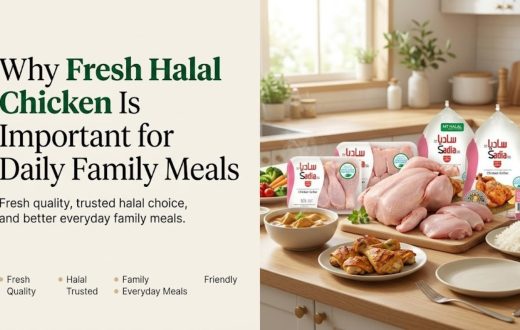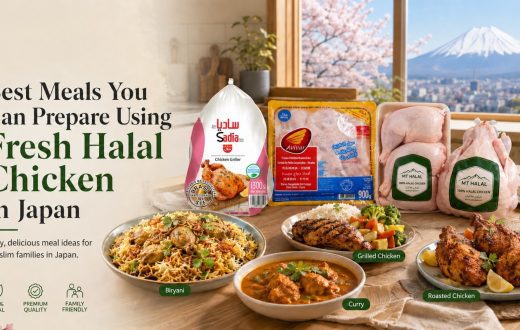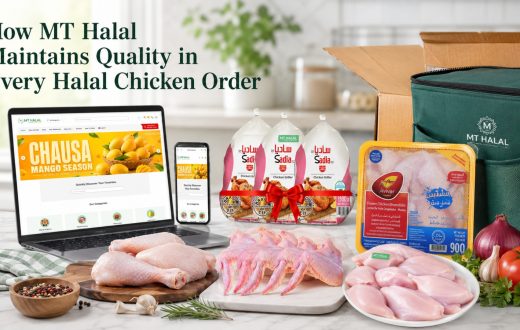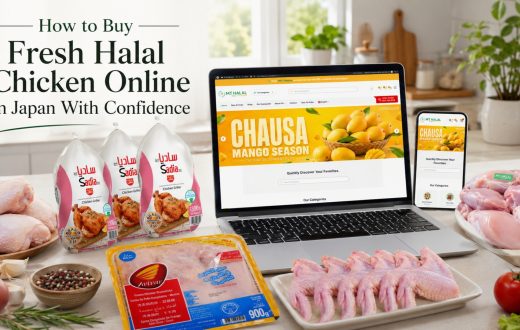
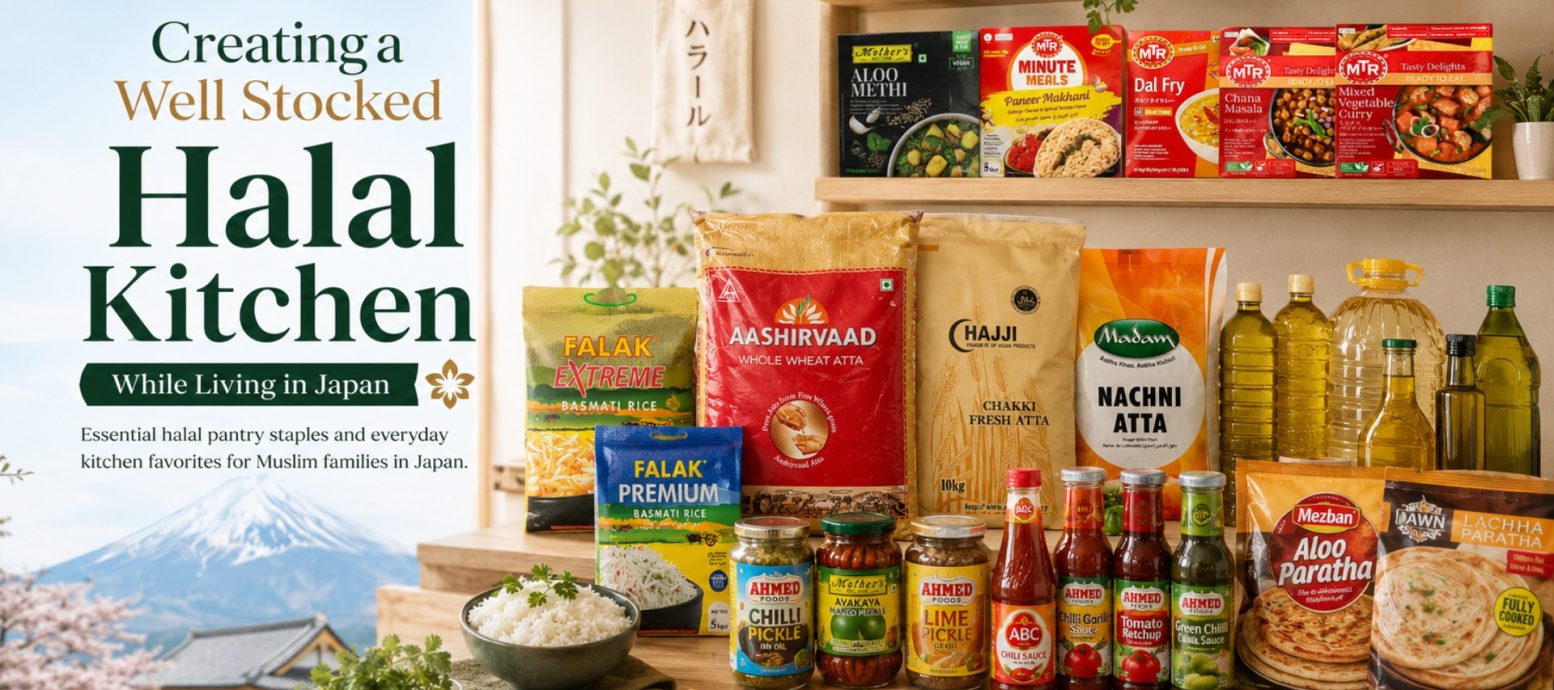
Creating a well stocked halal kitchen in Japan can make daily life much easier for Muslim families, students, and working people. When your kitchen has halal meat, rice, daal, spices, frozen foods, snacks, and basic pantry items, cooking becomes less stressful.
Many Muslims in Japan face the same problem. Regular supermarkets are clean and organized, but halal products are not always clearly available. Meat may not show halal status, labels may be in Japanese, and familiar Muslim household groceries can be hard to find nearby.
A well stocked halal kitchen helps you avoid last minute stress. You can cook chicken curry, biryani, daal chawal, kebabs, soup, fried rice, or quick paratha meals without searching for ingredients every day. MTHalal helps Muslims in Japan shop for halal meat and daily groceries from one online store.
Why a Well Stocked Halal Kitchen Matters in Japan
For Muslims living in Japan, grocery planning is not only about convenience. It is also about halal trust, family comfort, and daily meal confidence.
When your kitchen is not prepared, you may end up spending extra time checking labels, visiting different stores, or ordering food from outside. This can become tiring, especially for families with children, students with busy schedules, and working people.
A Well Stocked Kitchen Helps With
A halal kitchen routine helps you:
- Cook daily meals more easily
- Prepare children’s lunch boxes
- Save time during busy weekdays
- Avoid last minute grocery stress
- Plan Ramadan and Eid meals
- Reduce outside food dependency
- Cook familiar home style food
- Stay organized with halal ingredients
When the basics are ready, halal cooking in Japan feels calmer and more manageable.
The Main Challenge of Halal Kitchen Planning in Japan
Japan has many grocery stores, but not every store carries halal meat or Muslim household ingredients. Some products may have unclear ingredients. Some labels may be difficult to understand. Some items used in South Asian, Middle Eastern, and Muslim family cooking may not be available in local supermarkets.
This is why many Muslims prefer online halal grocery shopping.
MTHalal helps by bringing halal meat, rice, daal, spices, frozen foods, snacks, drinks, and pantry items into one online shopping platform.
1. Start With Halal Meat and Poultry
Halal meat is one of the most important parts of a Muslim kitchen. Chicken, beef, mutton, and lamb are used in many daily and special meals.
Freshness matters, but halal status matters first.
Useful Halal Meat Items to Keep
A well stocked kitchen may include:
- Halal chicken
- Halal beef
- Halal mutton
- Halal lamb
- Minced meat
- Bone in chicken
- Boneless chicken
- Curry cut meat
- Frozen meat for backup meals
Meals You Can Cook
These items help you prepare:
- Chicken curry
- Beef keema
- Mutton biryani
- Chicken pulao
- Kebabs
- Fried chicken
- Soup
- Karahi
- Ramadan meals
- Eid dishes
Keeping halal meat ready makes weekly cooking much easier.
2. Keep Basmati Rice and Daily Rice
Rice is a basic item in many Muslim households. It is used for daily meals, biryani, pulao, daal chawal, curry plates, and fried rice.
Japanese rice is excellent for Japanese meals, but South Asian cooking often needs Basmati rice or long grain rice.
Rice Items to Keep
Your kitchen may include:
- Basmati rice
- Daily cooking rice
- Long grain rice
- Rice for biryani
- Rice for pulao
- Rice for daal chawal
Rice is one of the first pantry items to keep ready because it supports so many meals.
3. Stock Daal, Lentils, and Beans
Daal is one of the most useful foods for Muslim households. It is simple, affordable, filling, and easy to cook.
When you do not have meat ready, daal can still make a complete meal with rice or roti.
Useful Lentils and Beans
A halal kitchen can include:
- Red lentils
- Yellow lentils
- Moong daal
- Chana daal
- Chickpeas
- Kidney beans
- Black chickpeas
- Mixed lentils
Why Daal Helps
Daal is useful for:
- Quick dinners
- Budget friendly meals
- Student cooking
- Children’s meals
- Lunch boxes
- Meat free days
- Ramadan meals
Keeping daal at home helps you cook even when your schedule is busy.
4. Build a Basic Spice Box
Spices are the heart of home style cooking. Without the right spices, even halal meat and rice can taste incomplete.
You do not need to buy every spice at once. Start with the basics and build slowly.
Essential Spices to Keep
A basic halal kitchen spice box may include:
- Red chilli powder
- Turmeric powder
- Coriander powder
- Cumin seeds
- Cumin powder
- Garam masala
- Black pepper
- White pepper
- Whole spices
- Biryani masala
- Chicken masala
- Meat masala
- Chaat masala
Whole Spices for Special Meals
For biryani, pulao, and slow cooked meals, keep:
- Cinnamon
- Cardamom
- Cloves
- Bay leaves
- Black peppercorns
A good spice box makes everyday cooking faster and more familiar.
5. Keep Cooking Oil, Ghee, and Pantry Basics
Cooking oil and pantry basics are easy to forget, but they are needed in many meals.
A well stocked halal kitchen should have enough basic items for daily cooking and emergency meals.
Pantry Basics to Keep
You may keep:
- Cooking oil
- Ghee
- Salt
- Sugar
- Flour
- Corn flour
- Baking powder
- Ginger garlic paste
- Tomato paste
- Vinegar
- Canned beans
- Dry fruits
- Nuts
These items support curry, daal, snacks, breakfast, and quick meals.
6. Add Frozen Foods for Busy Days
Frozen foods are very helpful in Japan, especially for students, working people, and families with children. They save time when you are tired or short on ingredients.
Frozen halal items can help with quick meals, suhoor, iftar, snacks, and guest serving.
Useful Frozen Items
A halal kitchen may include:
- Frozen halal meat
- Frozen paratha
- Frozen naan
- Frozen snacks
- Frozen vegetables
- Ready to cook items
- Frozen desserts if available
These items are not only convenient. They help you avoid stress when you do not have time to cook from scratch.
7. Keep Breakfast Items Ready
Breakfast can become difficult when your kitchen is not prepared. A few simple items can make mornings easier.
Useful Breakfast Items
You may keep:
- Bread
- Frozen paratha
- Tea
- Honey
- Jam
- Cereal if halal suitable
- Milk items
- Eggs if available from your regular source
- Quick snacks
For students and busy families, breakfast items save time in the morning.
8. Add Snacks for Children and Guests
Snacks are important for children, guests, tea time, road trips, and Ramadan. Muslim families should choose snacks carefully and check ingredients when needed.
Useful Snack Items
You may keep:
- Biscuits
- Chips
- Namkeen
- Dates
- Dry fruits
- Nuts
- Sweets
- Chocolate if halal suitable
- Ready to eat snacks
Having snacks ready helps with school breaks, guests, and family evenings.
9. Keep Tea, Drinks, and Beverages
Tea and drinks are common household essentials. They are useful for daily routines, guests, Ramadan, Eid, and family meals.
Drinks to Keep
Your kitchen may include:
- Black tea
- Green tea
- Milk tea items
- Juices
- Soft drinks
- Ramadan drinks
- Bottled drinks
- Coffee if used
These items make hosting and daily routines easier.
10. Add Sauces, Pickles, and Chutneys
Sauces, pickles, and chutneys help make simple meals more enjoyable. They are useful with rice, paratha, kebabs, rolls, fried snacks, and lunch boxes.
Useful Condiments
You may keep:
- Pickles
- Chutneys
- Chilli sauce
- Tomato ketchup
- Garlic sauce
- Tamarind sauce
- Cooking pastes
- Ginger garlic paste
Always check ingredients when buying sauces or ready made items.
11. Keep Quick Meal Items
Quick meal items are helpful when you do not have time to cook properly. They should not replace daily cooking, but they can support busy days.
Useful Quick Meal Items
You may keep:
- Ready to eat meals
- Instant noodles if halal suitable
- Canned chickpeas
- Canned beans
- Frozen paratha
- Frozen snacks
- Ready spice mixes
- Cooking pastes
These items help students, working people, and parents prepare food quickly.
12. Prepare for Ramadan and Eid Early
A well stocked halal kitchen is especially important before Ramadan and Eid. During these times, families need more groceries than usual.
Planning early helps avoid last minute stress.
Ramadan and Eid Essentials
You may need:
- Halal chicken
- Halal beef
- Halal mutton or lamb
- Basmati rice
- Daal
- Dates
- Frozen snacks
- Biryani masala
- Whole spices
- Drinks
- Desserts
- Tea
- Cooking oil
MTHalal helps customers prepare for these occasions by offering halal meat and grocery essentials online.
13. Organize Your Kitchen Storage
A well stocked kitchen should also be organized. If items are difficult to find, cooking becomes stressful even when groceries are available.
Simple Storage Tips
Use these habits:
- Keep rice and daal in dry containers
- Store spices away from heat and moisture
- Keep frozen meat in meal sized portions
- Label freezer packs if possible
- Keep snacks in one area
- Store tea and drinks separately
- Check expiry dates regularly
- Use older items first
Good storage helps reduce waste and saves time while cooking.
14. Create a Weekly Refill Routine
Once your kitchen is stocked, you only need to refill what is missing. A weekly routine helps you avoid running out of important items.
Weekly Refill Check
Every week, check:
- Halal meat
- Rice
- Daal
- Spices
- Cooking oil
- Frozen foods
- Snacks
- Tea
- Drinks
- Breakfast items
This small habit keeps your halal kitchen ready.
How MTHalal Helps Build a Well Stocked Halal Kitchen
MTHalal makes halal kitchen planning easier by offering many important grocery items in one online store. Customers can shop for halal meat, chicken, rice, daal, spices, frozen foods, snacks, drinks, tea, desserts, and pantry products without visiting multiple shops.
This is useful for families, students, working people, new residents, and Muslims living outside major halal shopping areas.
MTHalal Helps With
- Halal meat and poultry
- Rice and daal
- Masala and spices
- Frozen foods
- Snacks and drinks
- Tea and desserts
- Pantry essentials
- Weekly kitchen refills
- Ramadan and Eid preparation
For Muslims in Japan, this makes halal shopping more practical and comfortable.
Sample Well Stocked Halal Kitchen Checklist
Use this simple checklist as a starting point.
Meat and Poultry
- Halal chicken
- Halal beef
- Halal mutton or lamb
- Minced meat
- Frozen backup meat
Rice and Daal
- Basmati rice
- Daily rice
- Red lentils
- Yellow lentils
- Chickpeas
- Beans
Spices and Masala
- Red chilli powder
- Turmeric
- Coriander powder
- Cumin
- Garam masala
- Biryani masala
- Chicken masala
- Whole spices
Frozen Foods
- Frozen paratha
- Frozen naan
- Frozen snacks
- Frozen vegetables
- Ready to cook items
Pantry Items
- Cooking oil
- Ghee
- Salt
- Sugar
- Flour
- Ginger garlic paste
- Cooking sauces if halal suitable
Snacks and Drinks
- Tea
- Juices
- Biscuits
- Namkeen
- Dates
- Dry fruits
- Drinks
- Sweets
This list can be adjusted according to family size, cooking style, and budget.
Who Needs a Well Stocked Halal Kitchen?
A well stocked halal kitchen is useful for many Muslims living in Japan.
Muslim Families
Families need groceries for daily meals, children’s lunch boxes, guests, weekends, Ramadan, and Eid.
International Students
Students need basic items like rice, daal, halal chicken, spices, frozen foods, and snacks for affordable cooking.
Working Muslims
Busy workers need quick meal ingredients ready at home.
New Residents in Japan
New residents can use this list to start building a halal kitchen step by step.
Muslims Outside Major Cities
People living far from halal shops can benefit from online halal grocery ordering and better kitchen planning.
Internal Link Suggestion
[Internal Link Suggestion: Browse Halal Meat & Poultry on MT Halal]
FAQs
1. What do I need for a well stocked halal kitchen in Japan?
You need halal meat, chicken, rice, daal, spices, cooking oil, frozen foods, snacks, tea, drinks, and basic pantry items.
2. Why is a well stocked halal kitchen helpful for Muslims in Japan?
It helps Muslims cook daily meals more easily, avoid last minute shopping, reduce label confusion, and prepare for Ramadan, Eid, guests, and family meals.
3. Can I buy halal kitchen essentials online in Japan?
Yes, you can buy halal kitchen essentials online from halal grocery stores like MTHalal, including meat, rice, daal, spices, frozen foods, snacks, and drinks.
4. What should students keep in a halal kitchen in Japan?
Students should keep rice, daal, halal chicken, basic spices, frozen paratha, frozen foods, tea, snacks, and simple ready to eat items.
Final Thought
Creating a well stocked halal kitchen in Japan helps Muslim households cook with more confidence and less stress. When halal meat, rice, daal, spices, frozen foods, snacks, and pantry basics are ready, daily meals become easier.
MT Halal helps Muslims in Japan build and maintain that kitchen through one online halal grocery store. With a trusted source, simple storage habits, and a regular refill routine, halal home cooking in Japan becomes more organized, familiar, and comfortable.