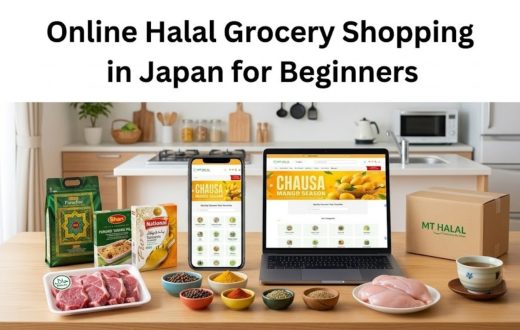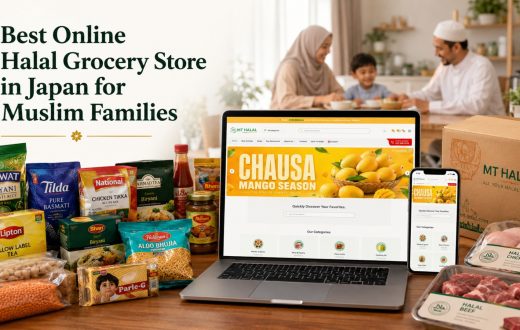
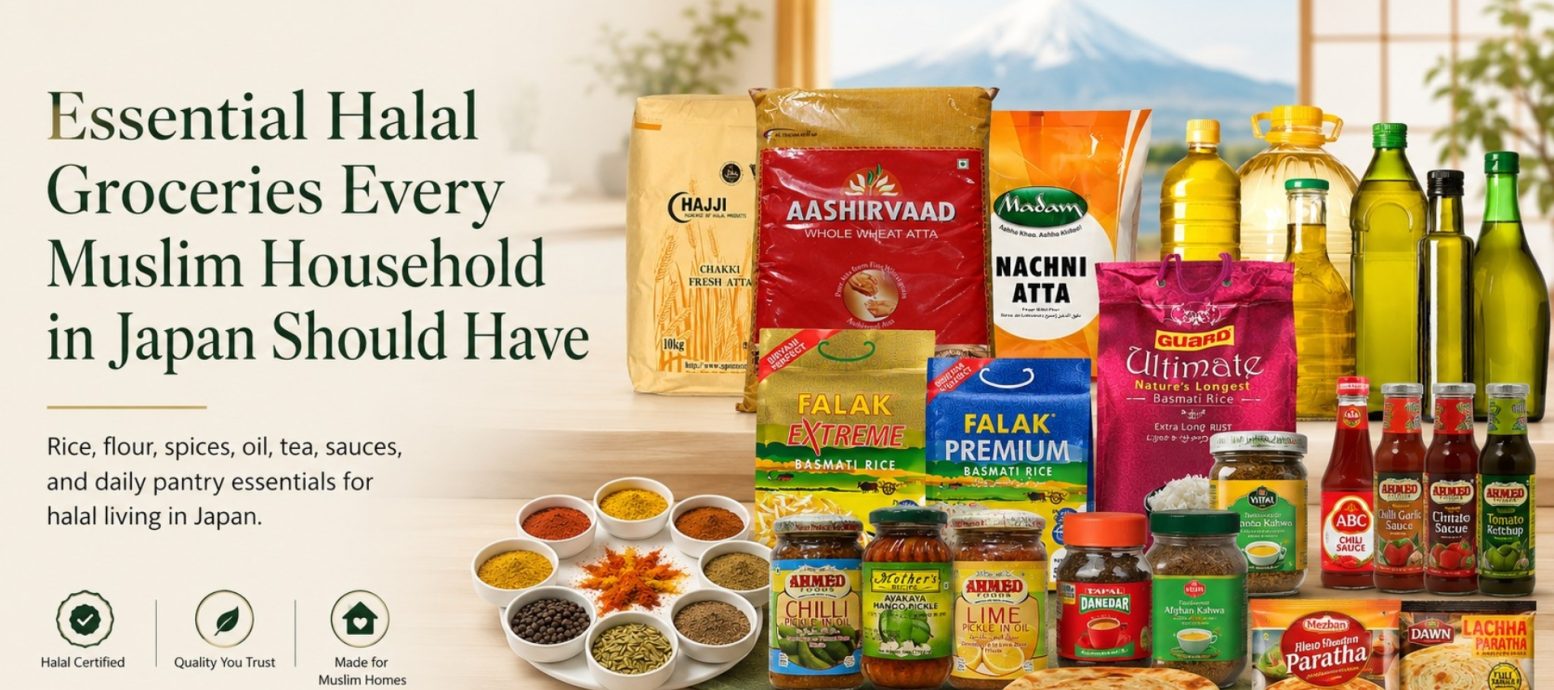
Building a halal kitchen in Japan can feel confusing when you are new to the country. You may want to cook chicken curry, biryani, daal chawal, kebabs, soup, or simple family meals, but finding the right halal groceries nearby is not always easy.
Regular supermarkets in Japan are clean and organized, but halal products are not always clearly available. Meat may not show halal status, labels may be in Japanese, and familiar Muslim household ingredients may be limited.
That is why knowing the essential halal groceries in Japan is so helpful. When your kitchen has halal meat, rice, daal, spices, frozen foods, snacks, and basic pantry items, daily cooking becomes easier. MTHalal helps Muslim families, students, and working people in Japan shop for these essentials from one online halal grocery store.
Why Every Muslim Household in Japan Needs a Halal Grocery List
A halal grocery list helps families avoid last minute stress. Instead of wondering what to cook or where to buy ingredients, you can keep your kitchen ready for daily meals.
For Muslims in Japan, grocery shopping is not only about taste. It is also about halal trust, ingredient checking, and family comfort.
A good halal grocery list helps with:
- Daily cooking
- Children’s lunch boxes
- Student meals
- Weekend family dinners
- Ramadan preparation
- Eid meals
- Guest serving
- Emergency quick meals
When the basics are ready, home cooking becomes more peaceful and organized.
The Challenge of Halal Grocery Shopping in Japan
Many Muslims in Japan face the same problem. They can find general groceries easily, but halal groceries need more checking.
Regular stores may not have halal meat. Some products may have unclear ingredients. Some labels may be difficult to understand. South Asian spices, Basmati rice, daal, frozen paratha, or halal snacks may not be available nearby.
Common Problems Muslim Households Face
Muslim families often deal with:
- Limited halal meat options
- Japanese only product labels
- Confusion about ingredients
- Difficulty finding Basmati rice and daal
- Limited masala and spice options
- Few halal grocery stores outside big cities
- Need to visit different shops for one meal
- Stress before Ramadan and Eid
This is why a reliable halal grocery source is important.
1. Halal Meat and Poultry
Halal meat is one of the most important grocery items for Muslim households. Chicken, beef, mutton, and lamb are used in many family meals.
Freshness is important, but halal status comes first.
Muslim families need meat from a trusted halal source because meat is part of faith, family meals, and daily peace of mind.
Useful Halal Meat Items
A Muslim household may keep:
- Halal chicken
- Halal beef
- Halal mutton
- Halal lamb
- Minced meat
- Bone in chicken
- Boneless chicken
- Curry cut meat
- Frozen meat for weekly planning
These items help with curry, biryani, pulao, soup, kebabs, fried chicken, and family meals.
2. Basmati Rice and Daily Rice
Rice is a basic item in many Muslim homes. It is used for biryani, pulao, daal chawal, curry meals, fried rice, and daily dinners.
Japanese rice is excellent for Japanese meals, but South Asian cooking often needs Basmati rice or long grain rice.
Why Basmati Rice Matters
Basmati rice is useful for:
- Chicken biryani
- Mutton biryani
- Beef pulao
- Daal chawal
- Curry meals
- Fried rice
- Ramadan meals
- Eid dishes
Keeping rice at home makes meal planning much easier.
3. Daal, Lentils, and Beans
Daal is one of the most useful halal grocery items for Muslim households. It is affordable, filling, and easy to cook.
For families, students, and working people, daal is a reliable meal option when meat is not planned.
Useful Lentils and Beans
A halal kitchen may include:
- Red lentils
- Yellow lentils
- Moong daal
- Chana daal
- Chickpeas
- Kidney beans
- Black chickpeas
- Mixed lentils
These items can be used for daal chawal, curry, soup, chana, snacks, and family meals.
4. Masala and Spices
Spices are the heart of home style cooking. Without the right spices, even good halal meat can taste incomplete.
A basic spice box helps Muslim families cook familiar meals in Japan.
Essential Spices to Keep
Every household should consider keeping:
- Red chilli powder
- Turmeric powder
- Coriander powder
- Cumin seeds
- Cumin powder
- Garam masala
- Black pepper
- White pepper
- Whole spices
- Biryani masala
- Chicken masala
- Meat masala
- Chaat masala
These spices help with curry, biryani, daal, kebabs, karahi, soup, and fried rice.
5. Cooking Oil and Ghee
Cooking oil is needed for almost every meal. Some families also keep ghee for traditional recipes, sweets, paratha, biryani, or special dishes.
Useful Cooking Fats
A halal household may keep:
- Cooking oil
- Ghee
- Olive oil
- Mustard oil if used in family cooking
- Butter if halal suitable
These items support daily cooking and special meals.
6. Frozen Foods for Busy Days
Frozen foods are very helpful for families, students, and working people in Japan. They save time when you are tired, busy, or short on ingredients.
Frozen halal items can help with quick meals, snacks, suhoor, iftar, and guest serving.
Helpful Frozen Items
You may keep:
- Frozen paratha
- Frozen naan
- Frozen snacks
- Ready to cook items
- Frozen vegetables
- Frozen halal meat
- Frozen sweets or desserts if available
These items reduce the need for outside food and help during busy days.
7. Flour, Bread, and Paratha Items
Flour and bread products are useful for breakfast, dinner, lunch boxes, and quick meals.
In many Muslim homes, roti, paratha, naan, and bread are part of daily eating.
Useful Items
A household may keep:
- Atta or flour
- Frozen paratha
- Naan
- Bread
- Chapati flour
- Baking ingredients if used at home
These items work well with curry, daal, eggs, tea, and snacks.
8. Sauces, Pickles, and Chutneys
Sauces and pickles add flavor to simple meals. They are helpful when eating rice, paratha, kebabs, rolls, fried snacks, or lunch boxes.
Useful Condiments
You may keep:
- Pickles
- Chutneys
- Chilli sauce
- Tomato ketchup
- Garlic sauce
- Tamarind sauce
- Cooking pastes
- Ginger garlic paste
Always check ingredients when buying sauces and ready made pastes, especially if the halal status is not clear.
9. Tea, Drinks, and Beverages
Tea is a common household essential for many Muslim families. Drinks are also useful for guests, family meals, Ramadan, and daily use.
Useful Beverage Items
A household may keep:
- Black tea
- Green tea
- Milk tea items
- Juices
- Soft drinks
- Rooh Afza style drinks if preferred
- Ramadan drinks
- Bottled drinks for guests
These items make hosting and family meals easier.
10. Snacks for Children and Family
Snacks are important for children, guests, tea time, school breaks, and busy days. Muslim families should choose snacks carefully and check ingredients when needed.
Useful Snack Items
You may keep:
- Chips
- Biscuits
- Namkeen
- Dry fruits
- Nuts
- Dates
- Sweets
- Chocolate if halal suitable
- Ready to eat snacks
Snacks are especially useful for lunch boxes, road trips, guests, and Ramadan iftar.
11. Ready to Eat and Quick Meal Items
Ready to eat items can help when you do not have time to cook from scratch. They are useful for students, working people, and busy parents.
Helpful Quick Items
You may keep:
- Ready to eat meals
- Instant noodles if halal suitable
- Canned beans
- Canned chickpeas
- Frozen snacks
- Quick sauces
- Ready spice mixes
These items are not a replacement for daily home cooking, but they help during busy days.
12. Ramadan and Eid Essentials
Ramadan and Eid need special grocery planning. Families prepare suhoor, iftar, biryani, pulao, curries, snacks, drinks, desserts, and tea.
It is better to prepare early instead of waiting until the last minute.
Ramadan and Eid Grocery List
A household may need:
- Halal chicken
- Halal beef
- Halal mutton or lamb
- Basmati rice
- Daal
- Dates
- Frozen snacks
- Biryani masala
- Whole spices
- Drinks
- Desserts
- Tea
- Cooking oil
Planning early helps reduce stress during special days.
13. Basic Pantry Items
Basic pantry items help complete daily cooking. These are small things, but they are often needed.
Useful Pantry Items
Keep:
- Salt
- Sugar
- Flour
- Baking powder
- Corn flour
- Vinegar
- Soy sauce if halal suitable
- Cooking pastes
- Canned items
- Dry fruits
- Nuts
These items support many recipes and help during emergency cooking.
Why MTHalal Helps Muslim Households in Japan
MTHalal makes halal grocery shopping easier by bringing many essential products into one online store. Muslim households can shop for halal meat, chicken, rice, daal, spices, frozen foods, snacks, drinks, tea, desserts, and pantry items from one place.
This is helpful because families do not usually need just one product. They need complete groceries for weekly meals.
Instead of visiting different stores or checking unclear supermarket labels, customers can build a complete halal grocery order online.
MTHalal Helps With
- Halal meat and poultry
- Rice and daal
- Masala and spices
- Frozen foods
- Snacks and drinks
- Tea and desserts
- Pantry essentials
- Weekly family grocery planning
- Ramadan and Eid preparation
For Muslims in Japan, this makes grocery shopping simpler and more comfortable.
Simple Weekly Halal Grocery Plan
A Muslim household can make shopping easier with a simple routine.
Step 1: Check Your Meat Stock
See if you need halal chicken, beef, mutton, lamb, or minced meat.
Step 2: Check Rice and Daal
Make sure rice and lentils are enough for the week.
Step 3: Check Spices
Look at your basic spices before ordering.
Step 4: Add Frozen Foods
Keep frozen items for busy days.
Step 5: Add Snacks and Drinks
Buy snacks, tea, drinks, and desserts according to family needs.
Step 6: Plan Ramadan or Eid Early
If a special occasion is near, prepare your grocery list before the rush.
This simple plan keeps the kitchen ready.
Who Needs These Essential Halal Groceries?
These groceries are useful for many Muslims living in Japan.
Muslim Families
Families need halal groceries for daily meals, children’s lunch boxes, guests, weekends, Ramadan, and Eid.
International Students
Students need simple items like rice, daal, halal chicken, spices, frozen foods, and snacks for affordable cooking.
Working Muslims
Busy workers need groceries that help them cook quick meals after work.
New Residents in Japan
New residents may not know where to find halal groceries. A clear essentials list helps them start.
Muslims Outside Big Cities
People living far from halal shops can benefit from online halal grocery ordering.
Internal Link Suggestion
[Internal Link Suggestion: Browse Halal Meat & Poultry on MT Halal]
FAQs
1. What are the essential halal groceries every Muslim household in Japan should have?
Essential halal groceries include halal meat, chicken, rice, daal, spices, cooking oil, frozen foods, snacks, tea, drinks, and basic pantry items.
2. Why is it helpful to keep halal groceries stocked at home?
Keeping halal groceries stocked helps Muslim families cook daily meals, avoid last minute stress, prepare children’s lunch boxes, and plan Ramadan or Eid meals more easily.
3. Can I buy essential halal groceries online in Japan?
Yes, you can buy essential halal groceries online in Japan from halal grocery stores like MTHalal, including meat, rice, daal, spices, frozen foods, snacks, and drinks.
4. What should students keep for simple halal cooking in Japan?
Students should keep rice, daal, halal chicken, basic spices, frozen paratha, snacks, tea, and ready to eat items for simple and affordable meals.
Final Thought
Keeping essential halal groceries in Japan makes daily life easier for Muslim families, students, and working people. When your kitchen has halal meat, rice, daal, spices, frozen foods, snacks, and pantry basics, cooking becomes less stressful and more familiar.
MTHalal helps Muslim households in Japan shop for these essentials from one online halal grocery store. With a trusted source and a simple grocery routine, halal home cooking becomes easier, organized, and more comfortable.