Ordering meat in Japan can look simple at first. You open an online store, check chicken, beef, mutton, or lamb, compare the price, and think about what to cook. But for Muslim families, one question comes before everything else: is this meat really halal?
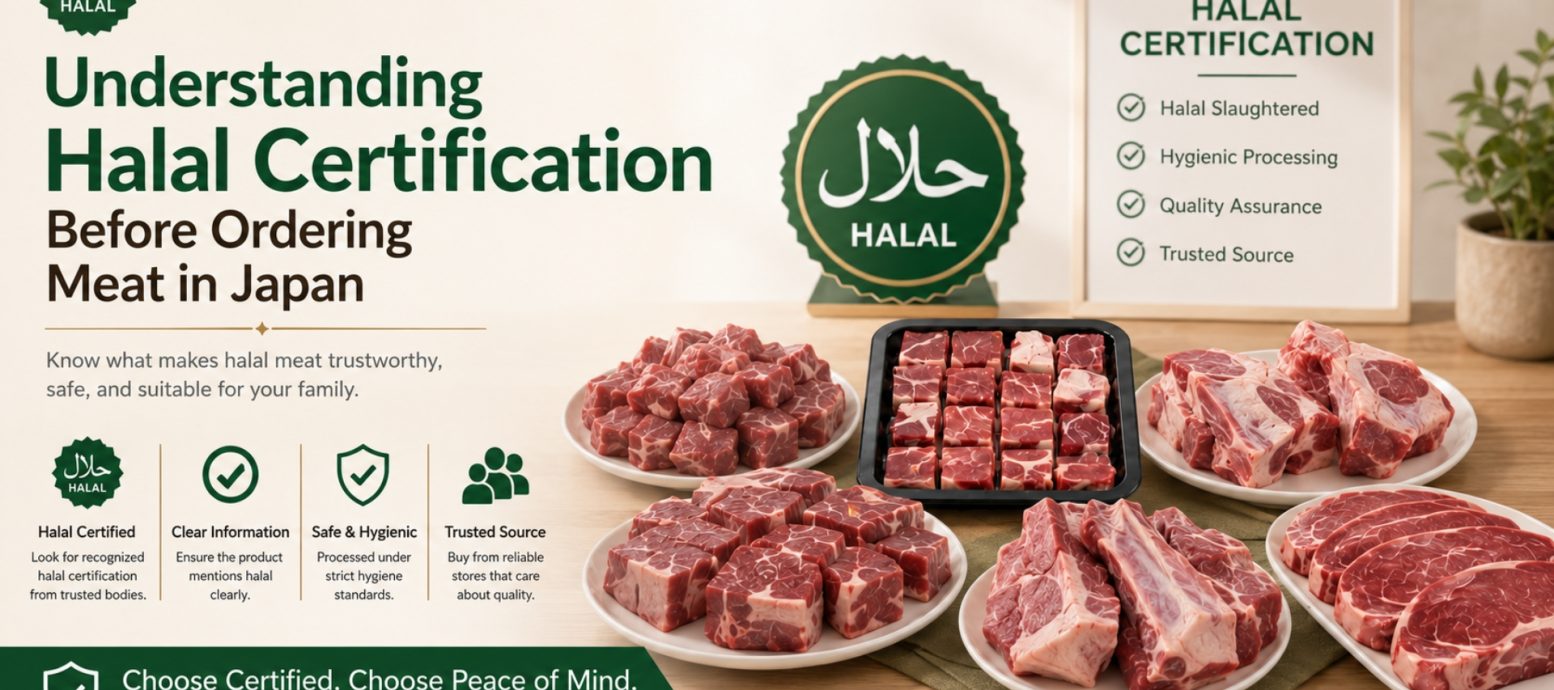
Understanding halal certification before ordering meat in Japan helps Muslims shop with more peace of mind. Freshness, clean packaging, and good photos are helpful, but they do not replace halal trust.
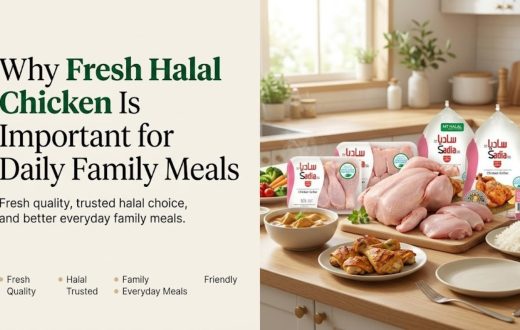
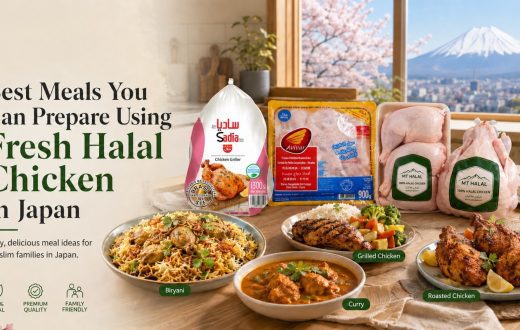
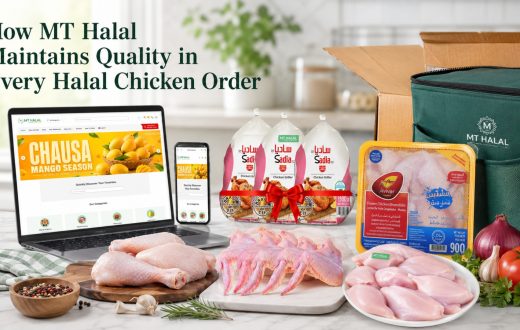
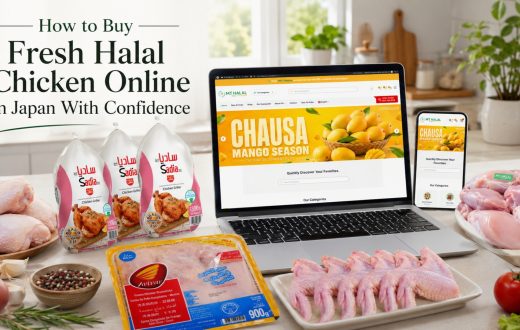
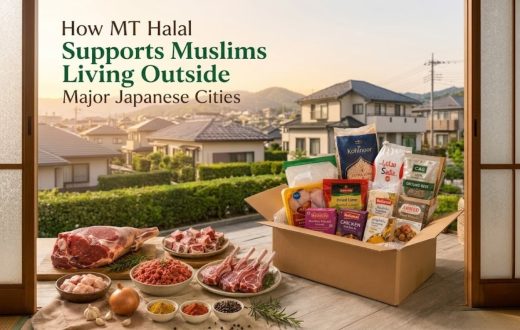
For Muslims living in Japan, meat is part of daily cooking, family dinners, children’s meals, Ramadan preparation, and Eid gatherings. MTHalal helps make this process easier by offering halal meat, chicken, rice, spices, frozen foods, snacks, and daily groceries through one online store.
Why Halal Certification Matters Before Buying Meat
Halal certification matters because it gives Muslim customers more confidence about the food they are buying. It helps show that the product or process has been checked according to halal requirements.
This is especially important in Japan, where halal meat is not always available in every regular supermarket.
A meat product may look fresh and clean, but that does not automatically mean it is halal. Muslim shoppers need to know more than the appearance of the product.
They need to know about the source, slaughtering process, handling, storage, and packaging.
Halal Is More Than Just a Word
Many people think halal only means “no pork.” But for meat, halal is much deeper than that.
For meat to be halal, the full process matters.
This may include:
- The animal being permissible in Islam
- Proper Islamic slaughtering
- Clean handling
- Separation from non halal items
- Safe storage
- Suitable packaging
- Trusted supplier information
If these points are not clear, Muslim customers may feel doubt before cooking or serving the food.
Why Buying Meat in Japan Can Be Confusing for Muslims
Japan has clean supermarkets, organized packaging, and high food quality. But halal meat is still a special category. Most regular stores serve the general market, so halal information is not always shown clearly.
This creates a real challenge for Muslims.
You may find chicken, beef, or lamb in a supermarket, but the label may not explain the slaughtering method. Product details may be written only in Japanese. Some products may also be handled in places where non halal items are present.
For a Muslim family, these small details matter.
Common Problems Muslim Shoppers Face
Muslims in Japan often deal with:
- No clear halal mark on meat packaging
- Japanese only product descriptions
- Unclear slaughtering information
- Limited halal butcher shops nearby
- Confusion between halal and halal friendly
- Worry about cross contact with non halal products
- Difficulty finding chicken, beef, and mutton in one place
- Stress when buying meat for children, guests, Ramadan, or Eid
This is why understanding halal certification is so helpful before ordering meat.
What Does Halal Certification Mean for Meat?
Halal certification means that a product, ingredient, or process has been checked for halal suitability by a halal authority or trusted certification body.
For meat, this can include more than the final product.
It may involve the slaughtering process, facility handling, storage, packaging, transportation, and product separation.
For Meat, Certification May Cover
Halal certification for meat may include checks related to:
- Animal source
- Slaughtering method
- Handling process
- Staff awareness
- Facility hygiene
- Storage conditions
- Packing method
- Transportation process
- Avoiding non halal contamination
This gives Muslim shoppers more confidence that the meat is suitable for halal consumption.
Certified Halal Meat vs Regular Meat
Regular supermarket meat may be fresh, clean, and high quality, but it is not automatically halal.
This is one of the most common misunderstandings.
For Muslims, the issue is not only food quality. The issue is halal status. If the slaughtering and handling process is not clear, the meat may not be suitable for Muslim consumption.
The Main Difference
Certified halal meat gives clearer trust because the product or process has been checked for halal suitability.
Regular meat may be fresh, but the halal process is usually not confirmed.
For Muslim families, this difference affects daily meals, children’s food, and religious peace of mind.
Why “Halal Friendly” Is Not Always Enough
In Japan, you may see words like “Muslim friendly” or “halal friendly.” These terms can be helpful, but they do not always mean the same thing as certified halal.
A restaurant or store may be called Muslim friendly because it avoids pork in some items or offers vegetarian options. But meat still needs proper halal sourcing and handling.
What Muslim Buyers Should Remember
Before ordering meat, do not rely only on friendly wording.
Check whether the seller clearly focuses on halal products and whether the meat category is trusted by Muslim customers.
If the halal information is unclear, it is better to choose a halal grocery store instead of guessing.
What to Check Before Ordering Halal Meat Online
Before placing your order, take a few minutes to review the product details carefully.
1. Check the Halal Status
The first thing to check is whether the meat is clearly halal. Do not judge only by the image, freshness, or price.
Look for clear halal wording, trusted supplier information, or a halal focused store.
2. Check the Seller
A trusted seller matters because halal meat requires care from sourcing to delivery.
A halal focused store understands Muslim dietary needs better than a general marketplace.
MTHalal is helpful because it serves Muslims and halal conscious customers in Japan with halal meat, poultry, and grocery products.
3. Check the Meat Type
Make sure you are ordering the right meat for your recipe.
Chicken, beef, mutton, and lamb all cook differently. Choosing the right meat helps your recipe turn out better.
4. Check the Cut
The cut matters a lot.
Biryani may need bone in pieces. Kebabs may need minced meat. Curry may need medium cuts. Soup may need bone in meat for more flavor.
5. Check Weight and Quantity
Always check the weight before ordering. This helps avoid buying too little or too much.
Families may need larger packs, while students may prefer smaller quantities.
6. Check Fresh or Frozen Condition
Frozen meat can be useful for weekly planning. Fresh or chilled meat is better when you plan to cook soon.
Both can work well when stored and handled properly.
7. Check Delivery and Storage Details
Review delivery details before placing your order. After delivery, store meat quickly in the freezer or refrigerator depending on the product condition.
Why MTHalal Helps With Halal Meat Shopping in Japan
MTHalal makes halal grocery shopping easier for Muslims living in Japan. Instead of checking regular supermarket labels and guessing, customers can shop from a halal focused online store.
MTHalal offers halal meat and poultry along with rice, spices, lentils, frozen foods, snacks, tea, drinks, desserts, and other daily grocery items.
This is useful because families do not usually buy meat alone.
If you are ordering halal chicken, you may also need Basmati rice, biryani masala, cooking oil, daal, frozen paratha, snacks, and drinks. MTHalal helps customers shop for these items from one place.
Why Customers Choose MTHalal
MTHalal is useful for people who want:
- Halal meat and chicken options
- Online grocery shopping in Japan
- Rice, spices, lentils, and frozen foods together
- Products used in Muslim family cooking
- A practical shopping option for families and students
- Less stress when checking halal products
- Easier weekly meal planning
For many Muslims in Japan, this makes daily cooking more manageable.
Halal Certification and Family Peace of Mind
For Muslim families, halal certification is not just a technical detail. It affects what parents cook for children, what families serve guests, and what people eat during religious occasions.
When meat is clearly halal, cooking feels easier.
Parents do not have to worry as much about whether the meat is suitable. Students can prepare meals with more confidence. Families can plan Ramadan and Eid shopping more calmly.
Why This Matters at Home
Halal certification helps families:
- Cook with religious comfort
- Prepare children’s meals confidently
- Serve guests without doubt
- Plan weekly meals more easily
- Reduce label checking stress
- Keep halal habits consistent in Japan
This is why halal certification matters before ordering meat online.
Halal Certification During Ramadan and Eid
Ramadan and Eid are special times when meat shopping becomes even more important. Families prepare suhoor, iftar, biryani, pulao, curries, kebabs, snacks, drinks, and desserts.
During these days, unclear halal status can create unnecessary stress.
Plan Early for Special Occasions
Before Ramadan or Eid, it is better to plan your grocery list early.
You may need:
- Halal chicken
- Halal beef
- Halal mutton or lamb
- Basmati rice
- Biryani masala
- Whole spices
- Lentils
- Frozen snacks
- Drinks
- Desserts
MTHalal helps customers prepare by offering meat and daily grocery items in one online store.
Why Packaging and Delivery Also Matter
Halal certification is important, but packaging and delivery also matter when ordering meat online.
Good packaging helps protect hygiene, freshness, and storage quality. Delivery support helps customers receive meat more conveniently, especially if they live far from halal shops.
Good Packaging Helps With
- Clean handling
- Better freezer storage
- Less leakage
- Product freshness
- Easier portion planning
- Better kitchen organization
When meat is packed properly, families can store it more easily and use it according to their meal plan.
How to Avoid Mistakes When Ordering Meat Online
A few simple habits can help you avoid common mistakes.
Read Before You Buy
Do not order only by looking at the image. Read the product title, weight, meat type, and details.
Do Not Guess Halal Status
If halal status is unclear, avoid the product. Guessing can create doubt later.
Order According to Your Meal Plan
Think about what you will cook first. This helps you choose the right cut and quantity.
Buy Related Groceries Together
Ordering meat with rice, spices, daal, and frozen foods saves time and helps with weekly cooking.
Store Meat Quickly
After delivery, place the meat in the freezer or refrigerator as needed.
What to Buy With Halal Meat
Halal meat becomes more useful when your kitchen has the right ingredients.
You can order halal meat with:
- Basmati rice
- Curry spices
- Biryani masala
- Whole spices
- Red chilli powder
- Turmeric
- Cumin
- Coriander powder
- Lentils and daal
- Cooking oil
- Frozen paratha or naan
- Pickles and chutneys
- Tea and snacks
- Drinks and desserts
This helps you prepare complete meals without missing key items.
Who Should Understand Halal Certification in Japan?
Understanding halal certification is useful for every Muslim shopper, but it is especially important for certain groups.
Muslim Families
Families need trusted halal meat for daily cooking, children’s lunch boxes, and special meals.
International Students
Students need simple, reliable halal options for affordable home cooking.
Working Muslims
Busy professionals need quick, clear, and trusted grocery options after work.
New Residents in Japan
New residents may not know which shops to trust. Understanding halal certification helps them shop more carefully.
Muslims Outside Major Cities
People living away from halal shopping areas can benefit from online halal grocery stores.
Internal Link Suggestion
[Internal Link Suggestion: Browse Halal Meat & Poultry on MT Halal]
FAQs
1. What does halal certification mean before ordering meat in Japan?
Halal certification means the meat or related process has been checked for halal suitability. For meat, this can include the source, slaughtering method, handling, storage, packaging, and delivery process.
2. Is regular supermarket meat in Japan halal?
Regular supermarket meat in Japan is usually not guaranteed halal unless it clearly shows halal certification or verified halal sourcing. Freshness and clean packaging do not confirm halal status.
3. Why should Muslim families check halal certification before buying meat?
Muslim families should check halal certification because meat is used in daily meals, children’s food, family dinners, Ramadan cooking, and Eid meals. Clear halal status gives more peace of mind.
4. Can I order halal meat and groceries from MTHalal?
Yes, MTHalal offers halal meat and poultry along with rice, spices, lentils, frozen foods, snacks, tea, drinks, desserts, and other daily grocery items for customers in Japan.
Final Thought
Understanding halal certification before ordering meat in Japan helps Muslim families shop with more confidence. It protects peace of mind, reduces doubt, and makes everyday cooking easier.
MTHalal gives Muslims in Japan a practical way to buy halal meat, chicken, and groceries from one online store. When you know what halal certification means and choose a trusted halal source, home cooking in Japan becomes simpler, clearer, and more comfortable.