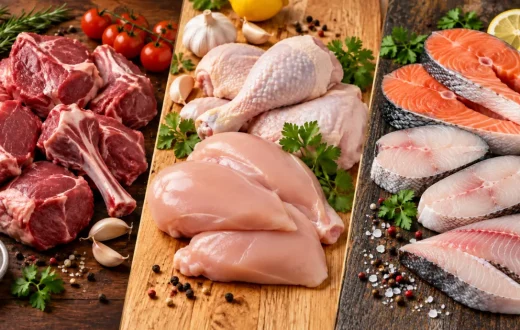
Shopping at a Japanese supermarket can be convenient, but Muslim customers often need to examine products more carefully before placing them in their baskets. Finding halal food in Japan supermarket aisles involves more than identifying familiar ingredients. Packaging, seasonings, meat sources and food additives can influence whether a product meets Islamic dietary requirements.
The good news is that ordinary Japanese supermarkets offer many everyday ingredients that Muslims can consider, especially plain rice, vegetables, fruits and other minimally processed foods.
This guide focuses on supermarket food choices, explaining which items are generally straightforward to assess, which require closer examination and how to make practical purchasing decisions. It also explains when specialist retailers such as MT Halal Mart can help with ingredients that are difficult to verify locally.
What Halal Food Can You Find in Japanese Supermarkets?
Muslim shoppers can find various food options in Japanese supermarkets, particularly in fresh produce, grains and other basic grocery sections.
However, whether a particular product is halal depends on its complete ingredients, processing and, where relevant, slaughter or certification details.
The following table provides a practical overview.
| Supermarket Food Category | Examples | What Muslim Shoppers Should Check |
|---|---|---|
| Fresh produce | Apples, bananas, onions, potatoes | Added dressings or seasoning in prepared packs |
| Rice and grains | Plain Japanese rice, dried grains | Added ingredients in flavored products |
| Beans and lentils | Plain dried beans, lentils | Seasonings and sauces in ready-made versions |
| Fish | Whole fish, plain fillets | Coatings, marinades and individual dietary interpretations |
| Dairy products | Milk, plain yogurt | Gelatin, enzymes and added flavorings where relevant |
| Bread and bakery items | Bread, rolls, pastries | Shortening, emulsifiers, fillings and alcohol-related ingredients |
| Snacks | Crackers, chips, biscuits | Animal extracts, flavorings and gelatin |
| Sauces and seasonings | Soy sauce, cooking sauces, soup bases | Mirin, sake, meat extracts and unclear additives |
| Meat and poultry | Beef, chicken, lamb | Reliable halal slaughter and sourcing information |
A food’s location on a supermarket shelf is not evidence of halal certification. Each product should be considered individually.
1. Fresh Fruits and Vegetables: A Straightforward Starting Point
Fresh produce is one of the easiest supermarket categories to navigate.
Whole fruits and unseasoned vegetables are generally permissible because they do not ordinarily involve animal-derived ingredients.
Common choices include apples, oranges, bananas, cabbage, spinach, carrots, potatoes and mushrooms.
What About Pre-Cut Vegetables and Salads?
Plain washed or chopped vegetables may also be suitable. However, prepared salad kits sometimes include separate dressings, seasoning packets or toppings.
These additions can introduce ingredients that need verification.
For example, a plain cabbage mix differs from a prepared salad containing bacon pieces or an unfamiliar dressing.
Practical tip: Check the individual components of prepared vegetable packs rather than judging the entire item from its main ingredient.
2. Rice, Beans and Grains for Everyday Meals
Japanese supermarkets commonly carry rice and other basic grains.
Plain Japanese rice, dried beans and unseasoned grains are generally straightforward ingredients for Muslim households.
They can support meals such as vegetable rice bowls, lentil dishes and simple home-cooked lunches.
Plain Rice vs Seasoned Rice Products
The distinction becomes important when comparing uncooked rice with prepared rice products.
Plain rice ordinarily contains one main ingredient. By contrast, flavored rice, rice balls and microwave meals may contain meat stock, sauces or alcohol-related seasonings.
A rice dish that appears vegetarian may still contain a broth or seasoning that requires examination.
Muslim shoppers should therefore check prepared rice products individually rather than assuming that every rice-based item is suitable.
For households also preparing South Asian dishes, MT Halal Mart’s Rice Collection provides additional options, including rice varieties commonly used in traditional cooking.
3. Fish and Seafood: Important Differences to Understand
Fish is widely available in Japanese supermarkets, often as whole fish, fresh fillets, frozen portions or prepared seafood dishes.
Plain fish is generally considered permissible in Islamic dietary practice, although interpretations of some aquatic species vary among Islamic schools of thought.
Plain Fish vs Seasoned Seafood
An unseasoned fish fillet is different from a pre-marinated fish product.
Prepared seafood may contain:
- Cooking sake or mirin
- Sauces with unclear ingredients
- Animal-derived flavorings
- Coatings or seasoning mixes
For example, a plain fish portion may be easier to assess than a ready-to-cook seafood dish with multiple ingredients.
Shoppers should also distinguish ordinary fish from shellfish and other aquatic animals where religious interpretations differ.
Check the actual product label and follow the dietary guidance relevant to your household.
4. Milk, Yogurt, Cheese and Other Dairy Products
Dairy products can be convenient additions to a supermarket shopping basket, but they should not all be treated identically.
Plain milk is usually a straightforward choice. Plain yogurt can also be suitable when its ingredients are uncomplicated.
However, some flavored yogurts, desserts and cheeses include ingredients requiring further attention.
What Should You Check?
For dairy products, pay attention to:
- Gelatin in yogurt or desserts
- Enzymes or rennet used in cheese production
- Added flavorings
- Alcohol-related ingredients in desserts
The source of gelatin or rennet can matter under halal dietary requirements.
If a manufacturer does not identify an ingredient’s origin, seek clarification rather than treating the product as automatically permissible.
5. Bread, Biscuits and Packaged Snacks
Bread and snacks are popular everyday purchases, especially for students and working professionals.
Yet processed bakery products may be more complicated than their familiar appearance suggests.
Bread, biscuits, pastries and packaged snacks can contain shortening, emulsifiers, flavorings or fillings from different sources.
Why Similar Products May Have Different Ingredients
Two visually similar products may use different recipes.
For example, one plain bread product may contain vegetable oil, while another could use an ingredient whose animal or plant origin is not immediately clear.
Likewise, flavored chips may contain seasoning powders that differ from those used in plain salted varieties.
When shopping, check the precise product variant rather than assuming that every flavor in the same brand range has identical halal suitability.
The packaging information is more useful than the product’s color, image or marketing description.
6. Sauces, Soup Bases and Japanese Seasonings
Sauces and seasonings deserve particular attention because they can introduce ingredients that are less obvious than the main food.
Japanese cooking frequently uses combinations of soy sauce, dashi, mirin and other seasonings.
These ingredients have different compositions and should be evaluated individually.
Understanding Common Seasoning Concerns
| Ingredient or Product | Main Consideration |
|---|---|
| Plain salt | Generally straightforward |
| Single-ingredient dried spices | Usually simple to evaluate |
| Soy sauce | Check the product’s alcohol-related information and applicable halal standard |
| Mirin | Typically associated with alcohol-containing cooking seasoning |
| Cooking sake | Alcohol-containing cooking ingredient |
| Dashi or soup stock | Check whether it contains fish, pork, chicken or other extracts |
| Curry roux | Check fats, meat extracts, flavorings and additives |
| Prepared marinades | Review the complete ingredient list |
A vegetable soup or curry sauce should not be assumed halal simply because it does not visibly contain meat.
For dishes that require South Asian flavors, MT Halal Mart provides a dedicated Masala & Spices Collection where shoppers can review individual products and ingredients.
7. Why Ordinary Supermarket Meat Needs Extra Verification
Beef, chicken and lamb are permissible animal species in Islamic dietary law, but that alone does not establish the halal status of meat sold in a supermarket.
The slaughter process and relevant handling requirements must also meet the halal standard followed by the consumer.
A package labeled only as beef or chicken does not provide sufficient evidence of halal compliance.
What Should Muslim Customers Look For?
When purchasing meat, consider the following:
- Is there reliable halal certification or other acceptable slaughter verification?
- Is the product clearly identified and traceable?
- Does it contain marinades, sauces or additional ingredients?
- Can the seller explain the relevant halal information?
When these details cannot be verified, specialist halal retailers may be more appropriate.
MT Halal Mart offers a Meat & Poultry Collection where customers can review listed products, descriptions and current availability.
8. Understanding Japanese Food Labels Without Guesswork
Japanese packaged-food labels contain useful information, but not every section answers the same question.
The ingredient list is especially important. The following terms help shoppers identify the relevant parts of a package.
| Japanese Label Term | English Meaning |
|---|---|
| 原材料名 | Ingredients |
| 添加物 | Additives |
| 豚肉 | Pork |
| ゼラチン | Gelatin |
| みりん | Mirin |
| 酒精 | Alcohol used as an ingredient |
| 乳化剤 | Emulsifier |
| 賞味期限 | Best-before date |
| 消費期限 | Use-by date |
An ingredient such as gelatin or an emulsifier may require source verification.
Important: Allergen information is not a halal certification system. A product’s allergen section alone cannot establish that the complete food is halal.
Also, a translation app can help interpret labels but does not independently verify the source of ingredients.
For uncertain products, check manufacturer information or obtain guidance from a reliable halal-certification source.
Japan’s Consumer Affairs Agency publishes official information about ingredient, additive and expiry-date labeling.
9. When Does a Specialist Halal Grocery Store Make Sense?
Ordinary supermarkets are practical for many everyday ingredients. Specialist halal retailers become useful when customers need products with more specific dietary or cooking requirements.
For example, shoppers may buy plain vegetables and rice locally but look to a halal-focused retailer for suitable chicken, beef or imported cooking ingredients.
MT Halal Mart offers online grocery categories covering meat, rice, spices, frozen foods and other products in Japan.
This approach does not mean every food in a Japanese supermarket is unsuitable. It simply separates straightforward grocery purchases from products requiring stronger sourcing evidence.
The goal is to make informed purchasing decisions without unnecessary confusion.
Quick Supermarket Checklist for Muslim Shoppers
Before purchasing an unfamiliar product, consider these points:
- Identify whether the food is plain, seasoned or processed.
- Check the complete ingredient and additive information.
- Look for reliable halal details when buying meat or poultry.
- Confirm unclear animal-derived ingredients.
- Check sauces and seasoning packets separately.
- Follow applicable religious guidance for seafood and disputed ingredients.
These checks are particularly useful for products whose halal suitability cannot be determined from their appearance.
Frequently Asked Questions
1. Can Muslims buy halal food in Japanese supermarkets?
Yes. Muslims can buy suitable foods from ordinary Japanese supermarkets. Plain rice, fruits, vegetables and other simple ingredients are often straightforward choices. Packaged products and meat require additional verification.
2. Is supermarket chicken halal in Japan?
Not automatically. Chicken must meet applicable halal slaughter requirements. The species name alone does not establish that the meat is halal.
3. Is Japanese supermarket fish halal?
Plain fish is generally permissible under Islamic dietary practice. However, some seafood species are interpreted differently, and prepared fish products may contain additional ingredients.
4. Are Japanese supermarket snacks halal?
Some may be suitable, but this depends on their ingredients. Gelatin, animal-derived seasonings, alcohol-related ingredients and unclear additives should be checked.
5. Can Muslims eat Japanese supermarket bread?
Some bread products may be suitable. However, ingredients such as shortening, emulsifiers and fillings may require verification depending on their origin.
6. Are all vegetarian products in Japan halal?
No. A vegetarian label does not independently confirm halal certification. Certain cooking ingredients, alcohol-containing seasonings or other processing details may still require assessment.
7. Where can Muslims buy halal meat and groceries in Japan?
Muslims can look for appropriately verified products through specialist halal retailers. MT Halal Mart offers an online grocery store where shoppers can explore available meat, poultry and pantry categories.
Conclusion
Finding halal food in Japan supermarket aisles is possible when shoppers understand the difference between plain ingredients and products requiring additional verification.
Fresh produce, rice and simple pantry staples are often easier to assess, while meat, processed snacks, prepared meals and sauces deserve closer attention.
For groceries that require specific halal sourcing or are difficult to find locally, MT Halal Mart provides an additional way to explore meat, poultry and everyday cooking ingredients in Japan.
Choose products based on reliable information, review their current details and avoid assuming that every item in a food category has the same halal status.
Editorial Verification: Product formulations, supplier information, halal certifications and stock availability may change. Confirm ingredients and any necessary halal evidence before publication or purchase. This article provides general shopping guidance rather than product-specific certification or a religious ruling.