How to Bloom Whole Spices in Oil for Daal, Curry and Pakistani Cooking
The aroma of cumin seeds sizzling in warm oil is one of the most familiar sounds and smells of Pakistani home cooking. Whether you’re preparing a comforting bowl of daal, a traditional chicken curry, or a vegetable dish, whole spices can transform a simple meal when heated correctly.
But there is a difference between releasing a spice’s aroma and burning it.
If you’ve ever added cumin to hot oil and watched it turn black almost instantly, or wondered why your tadka tasted bitter, understanding the blooming process can help.
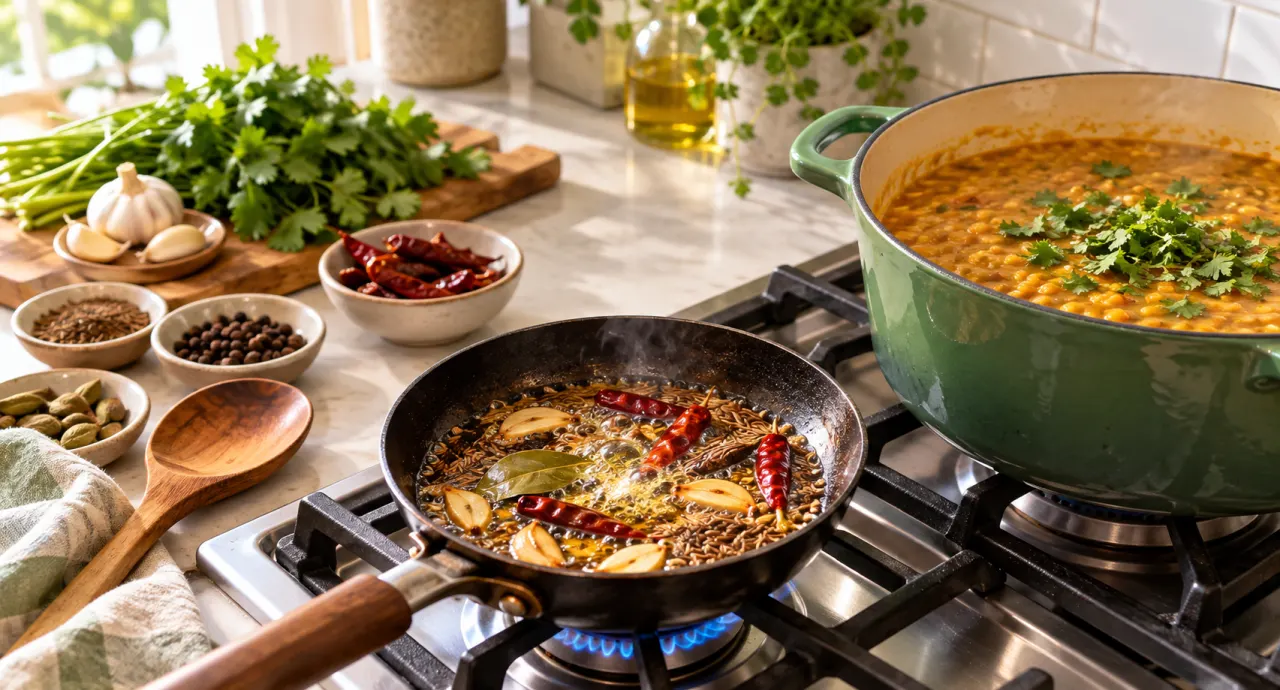
Blooming whole spices means briefly heating them in oil or ghee to release their aromatic compounds before adding other ingredients or pouring the seasoned fat over a finished dish. This technique is commonly called tadka, tarka, or tempering in South Asian cooking.
For Pakistani households living in Japan, learning this simple technique can make everyday meals more flavorful without requiring complicated equipment.
Here’s how to bloom whole spices correctly, which spices to use, and how to avoid the most common mistakes.
What Does It Mean to Bloom Whole Spices?
Blooming is the process of gently heating spices in fat so their aroma and flavor develop and spread through the oil.
Whole spices contain naturally occurring aromatic compounds. When the spices are heated, some of these compounds are released into the surrounding fat.
The flavored oil then carries those aromas into daal, curry, rice, or vegetables.
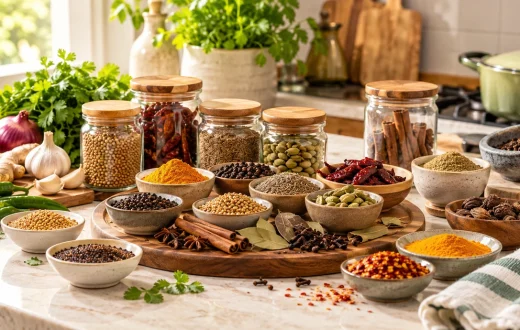
Common whole spices used for blooming include cumin seeds, mustard seeds, coriander seeds, cloves, cinnamon, and cardamom.
The exact technique depends on the spice and recipe.
Blooming vs Dry Roasting: What’s the Difference?
Both techniques use heat, but they are not interchangeable.
| Technique | How it works | Common use |
|---|---|---|
| Blooming | Spices heated in oil or ghee | Tadka, curries, seasoned vegetables |
| Dry roasting | Spices heated without added fat | Toasting spices before grinding or mixing |
| Simmering | Spices cooked in liquid | Broths, yakhni, slow-cooked dishes |
Blooming is especially useful when you want the spice aroma distributed throughout a dish.
1. Choose the Right Whole Spices for Blooming
Not every spice needs the same cooking time or level of heat.
Some small seeds become aromatic within seconds, while larger pieces can benefit from gentle heating for a little longer.
| Whole spice | Flavor contribution | Common Pakistani cooking use |
|---|---|---|
| Cumin seeds | Warm, earthy aroma | Daal, aloo, vegetable curry |
| Mustard seeds | Pungent, nutty notes when heated | Selected lentil and vegetable dishes |
| Cinnamon sticks | Sweet, woody warmth | Curry, pulao, meat dishes |
| Cloves | Strong, warm aroma | Meat curry, yakhni, rice |
| Green cardamom | Fragrant, slightly sweet notes | Rice dishes, selected curries |
| Black peppercorns | Peppery warmth | Yakhni, slow-cooked curry |
| Coriander seeds | Citrusy, earthy flavor | Certain curries and vegetable dishes |
Choose spices based on your recipe rather than adding every spice to one pan.
For a simple daal tadka, cumin seeds may be enough.
A meat curry may benefit from a small cinnamon stick, cloves, cardamom, and other ingredients.
2. Which Oil Is Best for Blooming Spices?
You can bloom spices in several cooking fats, including neutral vegetable oil and ghee.
The best choice depends on the taste you want and how the dish is prepared.
Neutral Cooking Oil
A neutral cooking oil allows the spices to remain the main source of aroma.
It’s useful for everyday daal, vegetable dishes, and many Pakistani curries.
Ghee
Ghee adds a rich, buttery flavor that complements cumin, garlic, and other traditional tempering ingredients.
It is often used for daal tadka and special home-cooked meals.
How Much Oil Should You Use?
For a small batch of daal serving approximately two to three people, 1–2 tablespoons of oil or ghee can be a practical starting point.
The amount can be adjusted to your recipe and preferences.
Use enough fat for the spices to heat evenly without leaving them dry against the pan.
3. How Hot Should the Oil Be?
Oil temperature is one of the most important parts of successful spice blooming.
Use moderate, controlled heat. The oil should be hot enough to gently sizzle the spices, but not so hot that they immediately turn dark or begin smoking.
There is no single ideal temperature for every spice combination.
The type of oil, pan, burner, and ingredients all affect the result.
Signs Your Oil Is Ready
Look for these practical clues:
- The oil becomes more fluid and moves easily around the pan.
- A cumin seed added as a test begins to sizzle gently.
- The spices release a noticeable aroma within moments.
- The oil is not smoking heavily.
If the spices blacken immediately, the pan is probably too hot.
Move the pan away from the heat and allow it to cool before starting again.
Why Excessive Heat Is a Problem
Spices contain delicate aromatic compounds that can be damaged by excessive heat.
Burned cumin or garlic may create harsh, bitter flavors that affect the entire dish.
A slightly lower heat is generally easier to control than a very hot pan.
4. Step-by-Step: How to Bloom Cumin Seeds in Oil
Cumin is a useful starting spice for learning tempering.
This simple method can be used as the foundation for daal tadka or a vegetable curry.
Ingredients
- 1 tablespoon cooking oil or ghee
- ½ teaspoon whole cumin seeds
- Optional sliced garlic
- Optional dried red chili
Step 1: Prepare Everything First
Measure your cumin and prepare any optional ingredients before heating the oil.
Blooming happens quickly, so searching for ingredients after the pan is hot can lead to burned spices.
Step 2: Warm the Oil
Place a small pan over medium-low to medium heat.
Add the oil and allow it to warm gradually.
Avoid letting the oil smoke.
Step 3: Add Cumin Seeds
Add the cumin seeds carefully.
They should sizzle gently.
Stir or swirl the pan so the seeds heat evenly.
Step 4: Watch for Aroma
Within several seconds, the cumin should become fragrant.
The seeds may deepen slightly in color, but they should not become black.
Exact timing depends on the stove, pan, and oil temperature.
Step 5: Add Optional Aromatics
If using garlic or dried chili, add them at an appropriate stage so they cook without burning.
Lower the heat if needed.
Garlic can change color quickly, especially when sliced thinly.
Step 6: Finish the Tempering
Once the aromatics smell fragrant, remove the pan from the heat.
Add the seasoned oil directly to your prepared dish or continue with the next ingredients according to the recipe.
For daal, pour the hot tadka carefully over the cooked lentils, keeping your face and hands away from possible splashes.
5. How to Make a Simple Pakistani Daal Tadka
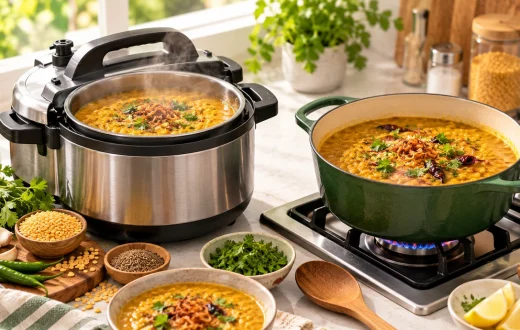
A freshly prepared tadka can give plain cooked daal a more aromatic finish.
This version uses cumin, garlic, and optional dried chili.
Ingredients
- 1–2 tablespoons oil or ghee
- ½ teaspoon cumin seeds
- 2 garlic cloves, thinly sliced
- 1 dried red chili, optional
- Approximately 2 cups of cooked daal
Method
- Cook the daal separately until it reaches your preferred consistency.
- Heat the oil or ghee gently in a small pan.
- Add cumin seeds and allow them to sizzle briefly.
- Add sliced garlic and cook until fragrant and lightly golden.
- Add dried chili if desired, reducing the heat to prevent burning.
- Remove the pan from the burner.
- Carefully pour the tadka over the cooked daal.
- Stir gently or leave some of the tempering visible on top.
The finished dish should have a pleasant cumin-and-garlic aroma, not a burned or bitter taste.
You can explore lentil varieties through the MT Halal Daal Category.
Can You Prepare Daal Without Tadka?
Yes. Daal can be cooked with onions, tomatoes, ginger, garlic, and spices without adding a separate tempering.
However, a final tadka provides a distinct aromatic layer.
Neither approach is mandatory; they produce different flavor profiles.
6. How to Bloom Whole Spices for Pakistani Curry
For curry, whole spices are often added at the beginning of cooking rather than poured over the finished dish.
This allows the aromatic oil to become part of the curry base.
Example Curry Spice Combination
For a medium-sized curry, you might use:
- ½ teaspoon cumin seeds
- 1 small cinnamon stick
- 2 cloves
- 2 green cardamom pods
- 2 tablespoons cooking oil
- Chopped onions for the next cooking stage
Quantities should be adjusted to the recipe.
Cooking Method
- Warm the oil in a heavy-bottomed pan.
- Add the cinnamon, cloves, and cardamom, using moderate heat.
- Allow the larger spices to release their aroma briefly.
- Add cumin seeds closer to the next stage because they can darken quickly.
- Add chopped onions before the spices begin to burn.
- Continue preparing the curry with ginger, garlic, tomatoes, and other ingredients.
Spice order is flexible because different recipes use different methods.
The key is to avoid keeping small, delicate seeds in hot oil longer than necessary.
Why Add Onions After the Whole Spices?
Onions introduce moisture and lower the direct temperature exposure of the spices.
This helps transition from brief spice blooming into cooking the curry base.
It also allows the seasoned oil to coat the onions as they soften.
7. Blooming Spices in a Japanese Home Kitchen
Many homes and apartments in Japan use compact gas burners or induction cooktops.
These can work well for tadka, but smaller pans and responsive heat settings may require closer attention.
Using an Induction Cooktop
Induction-compatible pans can heat quickly.
Begin at a moderate or lower setting and increase heat only when necessary.
Do not leave an empty pan heating for an extended period.
Use a small, stable pan that is compatible with the cooktop.
Using a Gas Burner
A small gas flame can provide direct control, but the heat may concentrate on the bottom of a narrow pan.
Avoid positioning a very small tadka pan over an excessively large flame.
Adjust the burner to keep the oil from overheating.
Kitchen Ventilation
Turn on the extractor fan before cooking.
Chili and other spices can create irritating fumes when overheated.
Keep the cooking area ventilated and reduce heat if the oil begins smoking.
8. Common Mistakes When Blooming Whole Spices
Small changes can make a noticeable difference to the flavor.
| Mistake | What can happen | Better approach |
|---|---|---|
| Oil is too hot | Spices burn immediately | Use moderate heat |
| Adding every spice together | Smaller spices burn before larger ones develop aroma | Adjust the order |
| Leaving cumin too long | Bitter, overly toasted flavor | Remove from heat once fragrant |
| Adding garlic too early | Garlic burns during spice heating | Time garlic carefully |
| Using too little oil | Uneven heating and scorching | Use enough to coat the spices |
| Adding damp ingredients carelessly | Oil splattering | Dry ingredients where appropriate and add cautiously |
| Leaving the pan unattended | Rapid burning | Prepare ingredients before heating |
Can You Save Burned Spices?
If the cumin, garlic, or other aromatics have burned badly, discard that tempering and prepare it again.
Adding more spices to heavily burned oil will not reliably remove the bitter flavor.
Starting over is usually better than affecting the entire curry or daal.
9. Should You Bloom Whole or Ground Spices?
Both can be used in oil, but they need different handling.
Whole spices generally release their aroma more gradually and are commonly added at the beginning of cooking.
Ground spices have much more surface area and may burn quickly in hot oil.
Whole Spices
Examples include cumin seeds, cloves, cinnamon sticks, cardamom, and mustard seeds.
Use controlled heat and watch for their aroma.
Ground Spices
Ground turmeric, chili powder, and coriander powder can be incorporated into a curry base.
However, adding them to very hot oil without moisture may cause burning.
In many Pakistani curry recipes, ground spices are added after onions, tomatoes, or other moist ingredients have started cooking.
Some recipes bloom ground spices in fat briefly, but careful heat control is especially important.
10. When Should You Add Tadka: Beginning or End?
Both methods are used in South Asian cooking.
Beginning-of-cooking tempering flavors the oil before onions, vegetables, or meat are added.
Finishing tadka is prepared separately and poured over an already cooked dish, commonly daal.
| Cooking stage | Main purpose | Example |
|---|---|---|
| Beginning | Builds an aromatic foundation | Chicken curry |
| Middle | Adds flavor during sauce preparation | Vegetable masala |
| End | Provides a fresh aromatic finish | Daal tadka |
The right choice depends on the dish.
For a simple masoor daal, a finishing tadka can provide a strong aroma without requiring a complicated cooking process.
For chicken curry, starting with whole spices can be an effective way to flavor the cooking oil.
11. How to Know When Your Tadka Is Ready
A good tadka is recognizable through aroma and appearance.
Look for:
- Gentle sizzling rather than aggressive smoking
- A pleasant roasted-spice aroma
- Cumin that darkens slightly without becoming black
- Garlic that becomes fragrant and lightly golden
- Oil that carries the aroma of the spices
Because spices and cooking equipment vary, avoid relying only on a fixed number of seconds.
Your senses are more useful than a universal timer.
A Simple Beginner Test
Try blooming only cumin seeds in one tablespoon of oil.
Once you understand how quickly they become aromatic on your stove, add garlic or another spice in a later attempt.
This helps build confidence without wasting an entire batch of ingredients.
12. Buying Whole Spices for Pakistani Cooking in Japan
Finding familiar spices is an important part of preparing Pakistani and Indian meals while living in Japan.
MT Halal Mart offers South Asian grocery products online with delivery across Japan and operates a physical grocery store in Yotsukaido, Chiba.
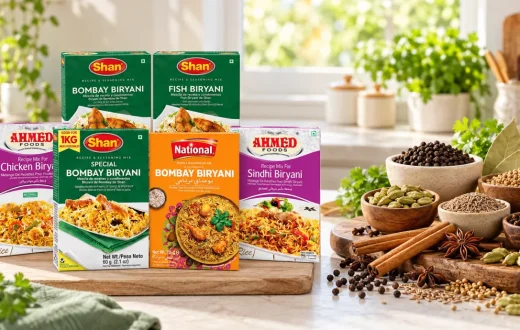
Its Masala & Spices category includes whole spice options and recipe seasonings. Examples listed in the catalog include Cinnamon Sticks, Brown Mustard Seeds, and Whole Black Pepper.
You can browse the MT Halal Masala & Spices Category to see current products and pack sizes.
What to Check Before Buying
When shopping for spices, look at:
- Whole or ground form
- Product name and ingredients
- Pack size
- Current availability
- Packaging condition
- Best-before date where provided
- Storage instructions
- Halal information where relevant, especially for mixed seasoning products
Whole single-ingredient spices and prepared seasoning mixes are different product types. For blends, check all ingredients rather than assuming suitability from the spice name alone.
If you’re looking for halal spices online in Japan, MT Halal Mart’s dedicated spice range is one option to explore.
For a broader guide to sourcing traditional seasonings, read Where to Find Authentic South Asian Spices While Living in Japan.
Frequently Asked Questions
What does blooming spices in oil mean?
Blooming means briefly heating spices in oil or ghee to release their aromatic compounds and distribute their flavor through the cooking fat.
How long should you bloom cumin seeds?
Cumin seeds often become fragrant within several seconds in appropriately heated oil. Exact timing depends on the temperature, pan, and quantity. Remove them from direct heat before they burn.
Should cumin seeds be added to hot or cold oil?
They are commonly added to warmed oil. The oil should be hot enough for gentle sizzling but not so hot that the seeds blacken immediately.
Can I use olive oil for tadka?
You can use a suitable cooking olive oil if its flavor and heat tolerance fit the recipe. Neutral cooking oil and ghee are common alternatives.
Why does my daal tadka taste bitter?
Possible causes include burned cumin, overcooked garlic, scorched chili, or excessively hot oil. Prepare a fresh tempering using lower heat if the spices are badly burned.
Is tadka the same as frying spices?
Tadka is a specific flavor-building technique that briefly heats spices and aromatics in fat. It differs from prolonged frying because the goal is aroma release without burning.
Can I bloom ground spices?
Yes, but ground spices can burn quickly. Use careful heat control and follow the recipe’s instructions, often incorporating them with moist curry ingredients.
Where can I buy whole spices in Japan?
MT Halal Mart offers whole spices and South Asian cooking ingredients through its online store with home delivery across Japan and its physical grocery store in Chiba. Availability varies by product.
Final Thoughts: Better Tadka Starts with Better Heat Control
Blooming whole spices is a small cooking technique that can make a major difference to Pakistani daal, curry, and other home-cooked meals.
You do not need expensive equipment or a large spice collection to begin.
Start with cumin seeds, learn to control the heat, and add other aromatics as you become more comfortable.
Remember the essential principles: warm the oil gently, watch the spices closely, adjust their order, and stop heating before they burn.
With practice, you can create a fragrant tadka or curry base using simple ingredients in a Japanese home kitchen.
Explore the MT Halal Masala & Spices Category for whole spices and everyday Pakistani cooking ingredients available to shoppers in Japan.