Easy Daal Chawal Recipe Using Pantry Staples
Some days, you don’t want an elaborate dinner. You just want a warm plate of daal chawal that tastes like home.
Fortunately, this Pakistani comfort food is easy to prepare with a few pantry staples. All you need is lentils, basmati rice, basic spices, and a little oil or ghee for tadka.
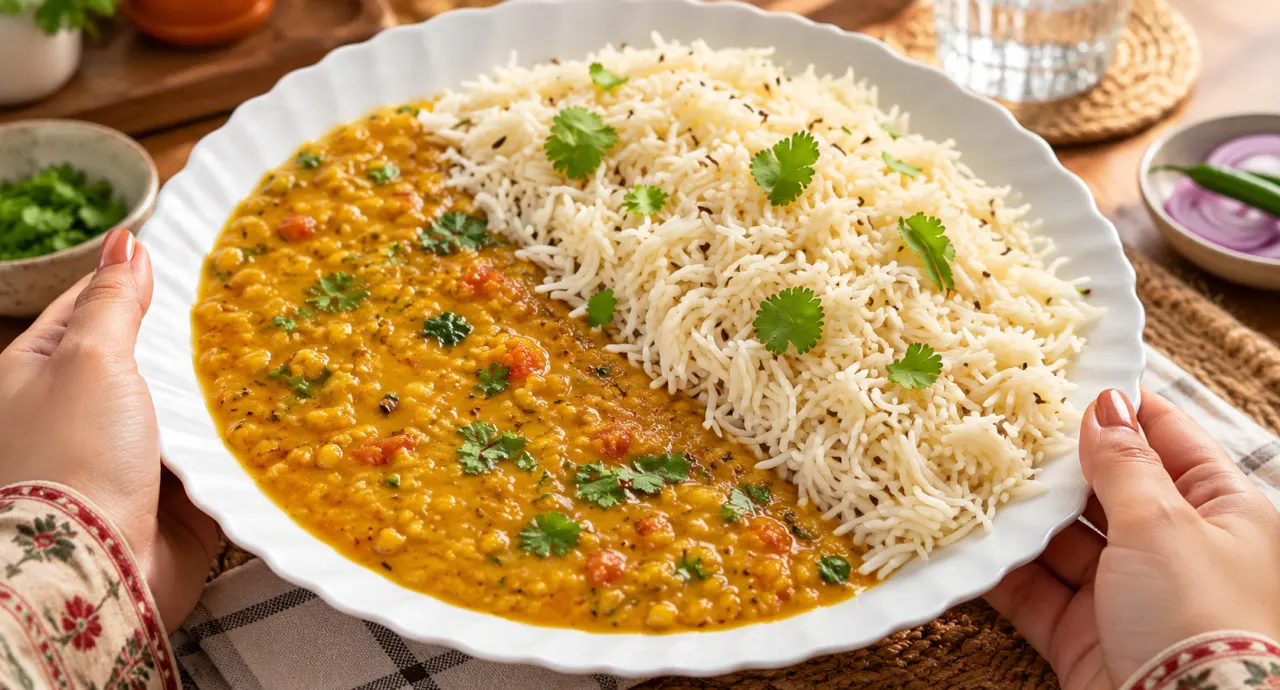
Daal chawal is a simple meal of cooked lentils served over rice. For this recipe, we’ll use split red lentils, also called masoor daal, with a fragrant cumin-and-garlic tempering.
The dish is especially practical for Pakistani students, working professionals, and families living in Japan. You can cook it on a regular stovetop without special equipment.
Below, you’ll find exact ingredient quantities, easy cooking steps, and helpful tips for getting soft daal and fluffy rice.
Easy Daal Chawal Recipe at a Glance
| Recipe detail | Information |
|---|---|
| Cuisine | Pakistani / South Asian |
| Preparation time | 10 minutes |
| Cooking time | About 25–35 minutes |
| Total time | Approximately 35–45 minutes |
| Servings | 3 |
| Main lentil | Split masoor daal |
| Rice | White basmati rice |
| Cooking method | Stovetop |
| Difficulty | Beginner-friendly |
The timing assumes regular split red lentils and white basmati rice. Other lentils and rice varieties may need different cooking times.
Ingredients for Pakistani Daal Chawal
You don’t need a long ingredient list to make a satisfying meal.
Most ingredients are shelf-stable and easy to keep in a small kitchen.
Ingredients for the Daal
| Ingredient | Quantity |
|---|---|
| Split masoor daal | ¾ cup (about 150g) |
| Water | 3 cups initially |
| Turmeric powder | ¼ teaspoon |
| Red chili powder | ¼–½ teaspoon |
| Salt | ½ teaspoon, then adjust |
| Tomato | 1 small, chopped (optional) |
| Fresh coriander | For garnish (optional) |
Ingredients for the Basmati Rice
| Ingredient | Quantity |
|---|---|
| White basmati rice | 1 cup (about 180–200g) |
| Water | Approximately 1½ cups, adjusted for the rice |
| Salt | ¼ teaspoon (optional) |
Ingredients for the Tadka
- 1½ tablespoons cooking oil or ghee
- ½ teaspoon cumin seeds
- 2 garlic cloves, thinly sliced
- 1 dried red chili, optional
Tip: Measure all ingredients before cooking. This makes the process easier, especially when you’re preparing both the rice and daal on a compact Japanese stovetop.
1. Which Lentils Are Best for Easy Daal Chawal?
Several lentil varieties work with rice. However, they differ in texture and cooking time.
| Lentil type | Cooked texture | Best use |
|---|---|---|
| Split masoor daal | Soft and creamy | Quick everyday daal chawal |
| Split moong daal | Light and soft | Mild home-style daal |
| Toor daal | Thicker, slightly earthy | Traditional lentil dishes |
| Whole masoor | Holds its shape more | Heartier daal |
| Mash daal | Dense and creamy | Richer lentil preparations |
For this beginner-friendly recipe, split masoor daal is the easiest starting point.
It cooks relatively quickly and usually doesn’t require overnight soaking.
You can browse varieties in the MT Halal Daal Category.
Can You Mix Two Lentils?
Yes. For example, some home cooks combine masoor and moong daal.
However, different lentils can cook at different speeds.
If you’re making daal chawal for the first time, start with one lentil variety. Once you’re comfortable with the recipe, try your preferred combinations.
2. How to Cook Masoor Daal Step by Step
The goal is a soft, flavorful daal that you can comfortably spoon over rice.
Step 1: Rinse the Lentils
Measure ¾ cup split masoor daal.
Check the lentils for any small stones or foreign material. Then rinse them in clean water several times until the water is less cloudy.
Drain before cooking.
Step 2: Add Water and Spices
Place the rinsed lentils in a medium saucepan.
Add:
- 3 cups of water
- Turmeric
- Red chili powder
- Salt
- Chopped tomato, if using
Stir gently.
Step 3: Bring to a Gentle Boil
Place the saucepan over medium-high heat.
Once the water begins boiling, reduce the heat to maintain a gentle simmer.
Skim off excess foam if necessary.
Step 4: Simmer Until Soft
Cook the lentils for approximately 15–25 minutes, stirring occasionally.
Split masoor daal should soften and begin breaking down.
If the mixture becomes too thick before the lentils are tender, add a little hot water.
Step 5: Adjust the Texture
Once the lentils are fully cooked, stir or lightly mash them with a spoon.
For rice, a medium consistency usually works well.
The daal should flow from the spoon rather than remain as a very thick paste.
If it looks watery, simmer uncovered for a few more minutes.
Finally, taste and adjust the seasoning.
3. How to Cook Fluffy Basmati Rice for Daal Chawal
Fluffy basmati rice is a wonderful match for creamy daal.
The grains should be tender without becoming excessively sticky.
Step 1: Rinse the Rice
Measure one cup of white basmati rice.
Rinse gently several times to remove excess surface starch.
Use clean water and avoid rubbing the grains too aggressively.
Step 2: Soak If Recommended
Some basmati rice varieties benefit from soaking for around 15–20 minutes.
However, not every brand requires soaking.
Check the packet instructions first, especially if you’re using aged or parboiled rice.
Step 3: Add Rice and Water
Add the drained rice to a saucepan with approximately 1½ cups of water.
The exact ratio depends on the rice variety, soaking time, and pan.
Add a little salt if desired.
Step 4: Cook with the Lid On
Bring the water to a boil.
Then cover the saucepan and reduce the heat to low.
Simmer until the water is absorbed and the rice is tender, usually around 10–15 minutes for many white basmati varieties.
Avoid lifting the lid repeatedly.
Step 5: Rest and Fluff
Turn off the heat and leave the saucepan covered for about 5 minutes.
Next, fluff the rice gently with a fork.
This helps separate the grains without breaking them.
Explore different options through the MT Halal Rice Category.
For a detailed comparison of grain varieties, read Different Types of Basmati Rice Available in Japan.
4. How to Make a Simple Garlic and Cumin Tadka
Tadka adds a fresh aromatic finish to cooked daal.
It’s a quick technique, but temperature control matters.
Step 1: Heat the Oil
Place a small pan over medium-low heat.
Add 1½ tablespoons of oil or ghee.
Let it warm gently without smoking.
Step 2: Add Cumin Seeds
Add ½ teaspoon cumin seeds.
Allow them to sizzle briefly until fragrant.
Don’t let them turn black.
Step 3: Add the Garlic
Next, add the sliced garlic.
Stir until the pieces become lightly golden.
If using a dried red chili, add it carefully and avoid burning it.
Step 4: Add Tadka to the Daal
Turn off the heat.
Carefully pour the seasoned oil over the cooked daal.
Be cautious because hot oil can splatter when it meets a moist dish.
Finally, stir gently or leave some of the tadka on top.
The finished daal should smell pleasantly of cumin and garlic, not burned spices.
5. How to Serve Daal Chawal
Serving this comfort food is simple.
First, spoon the hot basmati rice onto a plate or into a bowl.
Next, add a generous serving of daal.
Then finish with some of the aromatic tadka.
You can serve the daal separately if you prefer to control the quantity.
What Goes Well with Daal Chawal?
Popular side dishes include:
- Cucumber and tomato salad
- Plain yogurt
- Lemon wedges
- Fresh coriander
- Suitable achar or pickle
- Papad, where preferred
For a traditional Pakistani-style plate, add a small portion of achar and a fresh salad.
However, the basic daal and rice combination is satisfying on its own.
6. Can You Cook Basmati Rice in a Japanese Rice Cooker?
Yes. A rice cooker can make meal preparation easier when you have limited stovetop space.
However, different rice cookers use different water measurements and programs.
General Method
- Rinse the rice gently.
- Add it to the cooker pot.
- Use the water quantity recommended for that rice and your appliance.
- Select an appropriate cooking program.
- Allow the rice to rest briefly after cooking.
- Fluff gently before serving.
Some Japanese rice cookers have measuring marks designed for Japanese short-grain rice.
Therefore, those marks may not provide the ideal water ratio for basmati.
If you’re cooking basmati rice for the first time, follow the rice packaging and cooker instructions, then adjust the water for future batches.
Why Use a Rice Cooker?
While the rice cooks automatically, you can prepare the lentils on the stove.
As a result, both components may finish around the same time.
This is particularly helpful in smaller Japanese apartments.
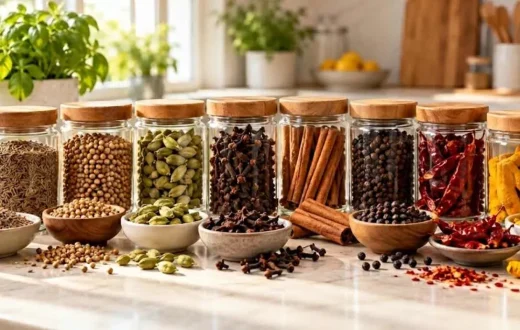
7. How to Make Daal Chawal Taste Better with Basic Pantry Spices
You don’t need a complicated spice mix for everyday daal.
Instead, focus on a few ingredients that work well together.
Cumin
Cumin provides the warm aroma associated with many Pakistani lentil dishes.
Whole cumin seeds work especially well in the final tadka.
Turmeric
Turmeric adds a yellow color and mild earthy flavor.
A small quantity is usually enough.
Red Chili Powder
Chili adds heat.
Start with a small amount, especially if you’re using an unfamiliar brand.
Garlic
Garlic creates a strong finishing aroma when lightly cooked in oil.
However, burned garlic can make the entire dish bitter.
Optional Garam Masala
Some households add a pinch of garam masala near the end.
You can try it, but it isn’t essential for this simple recipe.
If you need to restock, visit the MT Halal Masala & Spices Category for available seasonings.
8. Common Daal Chawal Problems and Easy Fixes
Even simple recipes can go wrong when the water ratio or heat is unsuitable.
| Problem | Likely cause | How to fix it |
|---|---|---|
| Daal is too watery | Too much water | Simmer uncovered |
| Daal is too thick | Water evaporated | Add a little hot water |
| Lentils remain firm | Insufficient cooking | Continue simmering until tender |
| Rice is sticky | Too much water or overcooking | Reduce water next time |
| Rice is undercooked | Not enough water or cooking time | Add a little hot water and continue gently |
| Garlic tastes bitter | Tadka overheated | Prepare a fresh tadka |
| Daal tastes bland | Not enough seasoning | Adjust salt and spices gradually |
Why Is My Daal Too Thick?
Masoor daal continues thickening as it cools.
Therefore, a slightly loose consistency can be useful when serving it with rice.
Add a small amount of hot water and stir if needed.
Why Does My Rice Become Mushy?
Too much water, excessive stirring, or prolonged cooking can damage the grain texture.
For the next batch, measure the water carefully and let the rice rest before fluffing.
9. Easy Daal Chawal Variations
Once you’ve mastered the basic recipe, you can make small changes.
Moong Daal Chawal
Replace split masoor with split yellow moong daal.
Adjust the cooking time and water as needed.
This version creates a mild, comforting meal.
Tomato Daal Chawal
Add an extra chopped tomato while simmering the lentils.
The result has a more noticeable tomato flavor.
Mild Daal for the Family
Reduce the chili powder and omit dried red chili from the tadka.
You can offer extra chili separately for adults who prefer more heat.
Garlic-Free Tadka
If you don’t want garlic, use cumin seeds in oil or ghee.
The aroma will be simpler but still pleasant.
These variations let you use familiar pantry ingredients without turning daal chawal into a completely different recipe.
10. How to Prepare Daal Chawal Faster on Busy Days
A little preparation can make this dish easier after work or university.
Cook Rice and Daal at the Same Time
Start the daal first.
Next, prepare the rice while the lentils simmer.
Finish the tadka when both are nearly ready.
Measure Your Spices in Advance
Keep regularly used spices organized in clean, dry containers.
This reduces preparation time.
Use Frozen Cooked Daal
You can also prepare a larger batch of daal, cool it promptly, and freeze individual portions.
Then thaw and reheat safely when needed.
However, freshly cooked tadka often provides a more noticeable aroma than one stored for several days.
11. How to Store Leftover Daal and Rice Safely
Daal and rice need proper storage after cooking.
Rice deserves particular attention because Bacillus cereus can grow when cooked rice is handled or stored improperly.
Cool and Refrigerate Promptly
Transfer leftovers into shallow, food-safe containers.
Cool them quickly and refrigerate promptly.
For cooked rice, a cautious approach is to refrigerate as soon as it has cooled rapidly, ideally within one hour.
Keep the refrigerator at 4°C or colder.
Store Rice and Daal Separately
Separate containers make reheating and portioning easier.
They also help prevent the rice from absorbing too much liquid during storage.
Reheat Thoroughly
Reheat leftovers until steaming hot throughout.
For cooked rice, use it promptly after refrigeration and avoid reheating the same portion more than once.
If storage time or temperature is uncertain, discard the food.
Can You Freeze Daal Chawal?
Yes. Cooked daal and rice can be frozen in separate portions after rapid cooling.
Follow safe thawing and reheating practices.
For best texture, use properly frozen portions within a reasonable quality-storage period.
12. Shopping for Daal Chawal Ingredients in Japan
A simple daal chawal meal requires only a small grocery basket.
For Pakistani households living in Japan, keeping these ingredients available can make everyday cooking easier.
Your Basic Pantry Checklist
| Grocery item | Purpose |
|---|---|
| Split masoor daal | Main lentil ingredient |
| White basmati rice | Rice base |
| Cumin seeds | Tadka aroma |
| Turmeric | Color and earthy flavor |
| Red chili powder | Optional heat |
| Cooking oil or ghee | Cooking and tempering |
| Salt | Basic seasoning |
| Garlic | Aromatic finishing ingredient |
MT Halal Mart offers South Asian groceries online with delivery across Japan and has a physical store in Yotsukaido, Chiba.
You can order ingredients through the MT Halal Shop.
Its catalog includes several lentil varieties, basmati rice options, and everyday spices.
For general grocery planning, read Top 10 Essential Halal Grocery Items Every Kitchen Needs.
What to Check Before Buying
Before ordering, review the lentil variety, rice type, package weight, storage instructions, and current product availability.
For example, split masoor cooks differently from whole masoor or mash daal.
Likewise, white basmati rice and parboiled sella rice require different cooking methods.
Choosing the right ingredients makes the recipe more predictable.
Frequently Asked Questions
What is daal chawal?
Daal chawal is a South Asian meal made with cooked lentils served alongside or over rice. Pakistani versions often include a flavorful tadka of cumin, garlic, and other spices.
Which daal is best for beginners?
Split masoor daal is a convenient choice because it generally cooks quickly and becomes soft without prolonged soaking.
Can I use Japanese rice instead of basmati rice?
Yes. Japanese short-grain rice works with daal, but the texture will be stickier than basmati. Follow the cooking instructions for that rice variety.
How much basmati rice do I need for three people?
One cup of uncooked white basmati rice can provide approximately three moderate side portions. Adjust for appetite and whether rice is the main part of the meal.
Do I need a pressure cooker for daal chawal?
No. Split masoor daal cooks well in an ordinary saucepan. A pressure cooker is optional.
Can I make daal chawal without garlic?
Yes. You can prepare a simple cumin tadka or omit the tempering altogether, although the final aroma will change.
How do I make daal less watery?
Simmer uncovered until excess liquid evaporates. Stir regularly to prevent sticking.
Can I prepare daal chawal ahead of time?
Yes, provided you cool, refrigerate, and reheat the food safely. Cooked rice requires particularly careful handling.
Where can I buy lentils and basmati rice in Japan?
MT Halal Mart offers lentils, rice, and South Asian pantry ingredients through its online grocery shop serving Japan and its physical store in Yotsukaido, Chiba. Check current listings before ordering.
Final Thoughts: A Comforting Pakistani Meal with Simple Ingredients
Daal chawal proves that a delicious meal doesn’t need a complicated recipe.
With split masoor daal, white basmati rice, a few spices, and a simple garlic tadka, you can prepare a warm, familiar dinner using basic pantry ingredients.
The most important steps are easy to remember: cook the lentils until soft, measure the rice water carefully, and prepare the tadka over controlled heat.
Whether you’re cooking for one person or a small family in Japan, this recipe is practical for busy days.
Explore the MT Halal Daal Category and MT Halal Rice Category to find ingredients for your next homemade daal chawal meal.